

As I stared down the narrow teal Colonne de Juillet, it was difficult to imagine the size and scope of the original Bastille that once had stood there. Other buildings, such as the elegant Palace of Versailles that we had visited the day before, had been elaborately maintained following the French Revolution, but the Bastille did not meet the same fate.
Seeing the modern area surrounding the Bastille prompted me to reflect upon our discussion during our first class day on the importance of spaces and emotion. More specifically, I began to think about why people identify with certain spaces and not others. How do people’s emotional connections with spaces change how they recognize and characterize their spaces during a revolution?
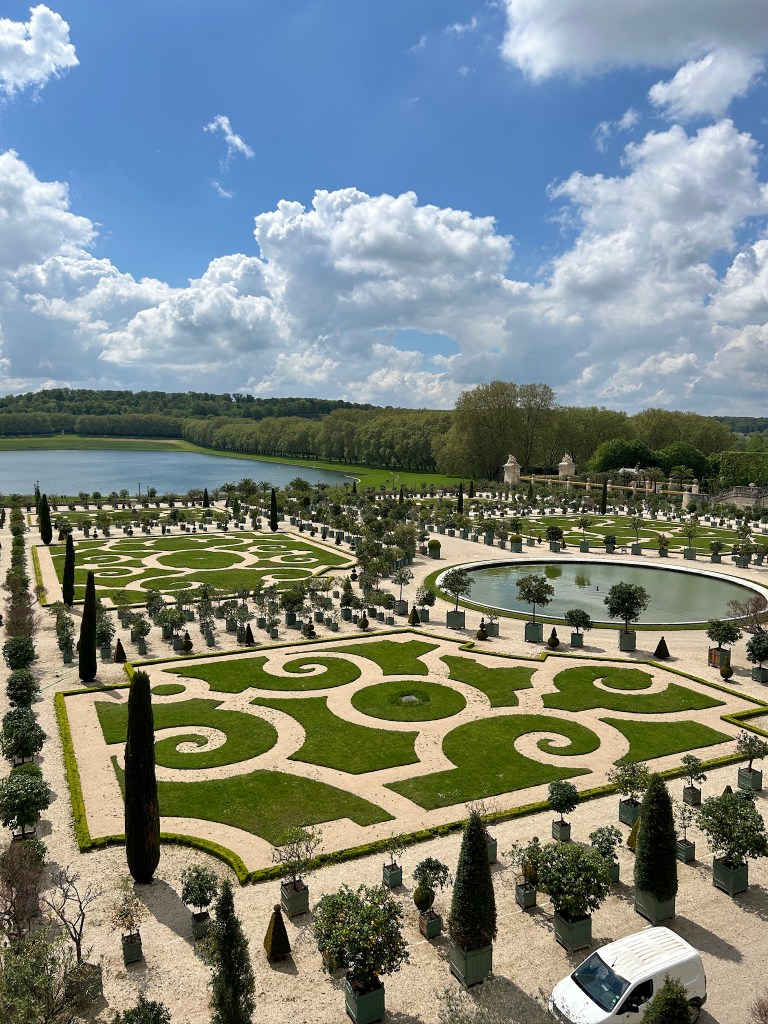
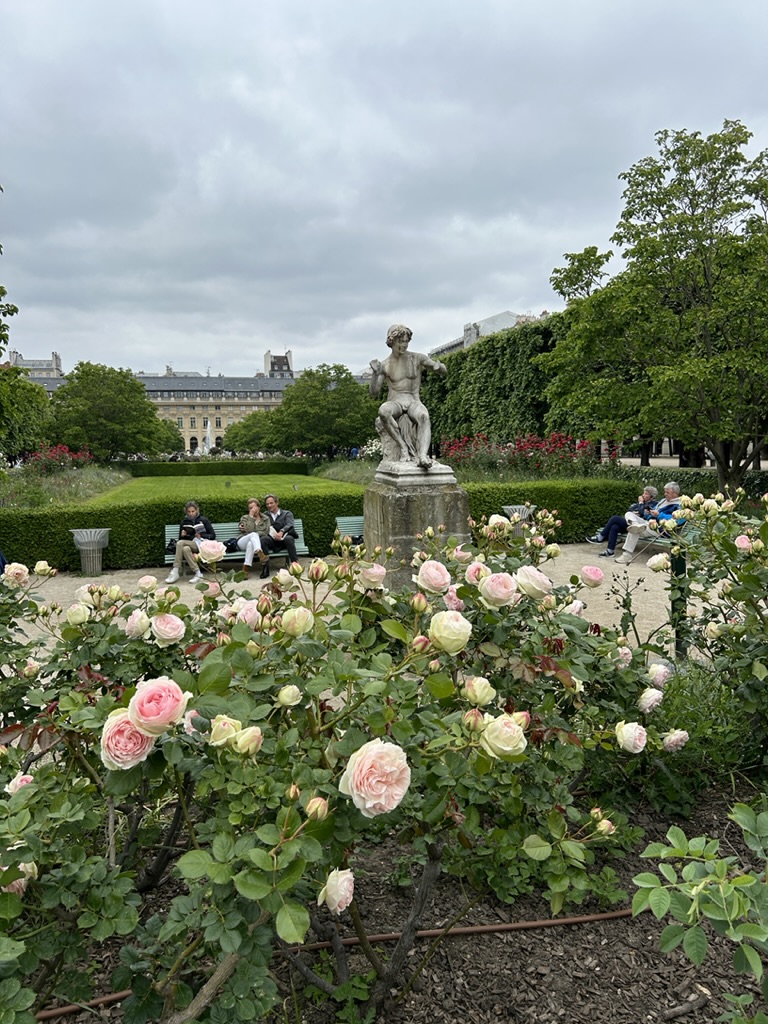
To answer this question, I believe the best answer can be given by taking a walk through the sprawling public parks. As Dr. Bjork-James mentioned on our walking tour, the legacy of the monarchy is evident in the luxurious buildings and parks. Yet, they are entirely public, conferring the formerly exclusive wealth and elegance onto the everyday Parisian.
Emotional recognition of spaces plays a significant role in this phenomenon. For the people of Paris, the sprawling wealth of the monarchy is wealth that they have created through their feudal labor. Though the historical damage and states of these palaces and parks have varied over time, the persistence of these spaces remaining intact shows one thing: the revolutionaries recognized that these luxurious spaces were created by them, so therefore, they should be for them.
How does this contrast with the Bastille? Although during the fall of the Bastille, it only contained a handful of prisoners, it commonly housed political prisoners, and therefore symbolized political control of the state. In understanding this history through our readings and museum tours, it makes sense that the Bastille was torn down brick by brick. The act of bringing down the Bastille in a real sense was physically tearing down the oppressive hierarchy of the state and symbolically reaffirming the will of the people to dismantle the monarchy.
Prisons are recognized as tools of oppression whereas palaces and sprawling parks are constant reminders of the opulence the people are being denied despite working to create this wealth. Therefore, one must be torn down, while the other maintained, shared, and celebrated.
As an Economics major, we talk much in my classes about the “perfectly rational” agent as an ideal. However, reflecting upon these historical spaces has taught me that human emotions over time and especially throughout physical spaces, prompt legitimate political action, despite traditionally being denied the same legitimacy as the “rational” agent.
 Revolutionary Cities