
It was only the second day of class, and we had the opportunity to tour the Palace of Versailles, a famed historical location renowned for its grandeur. Growing up, I had heard of its beauty and opulence before, seeing viral Tiktoks and Youtube videos of visitors viewing its expansive gardens and glistening rooms. In fact, spaces such as the Hall of Mirrors seem to become incredibly popular online every summer as waves of people explore Paris and visit its iconic offerings like Versailles. And even as I approached its gates, I recognized that the scale of Versailles was unmatched. Wandering through the unique halls of the Palace of Versailles, I was struck by the profound juxtaposition between its grandeur and the turbulent history it witnessed. This iconic symbol of absolute monarchy, with its ornate rooms and vast gardens, played a pivotal role in the events leading up to the French Revolution, making it a fitting subject for our exploration of revolutionary cities.

Versailles, originally a hunting lodge for Louis XIII, was transformed by his son, Louis XIV, into the epitome of royal extravagance. This transformation was not merely architectural but also symbolic, representing the centralized power and divine right of the Bourbon monarchy. As I walked through the Hall of Mirrors, I could almost hear the feel the history on my skin.
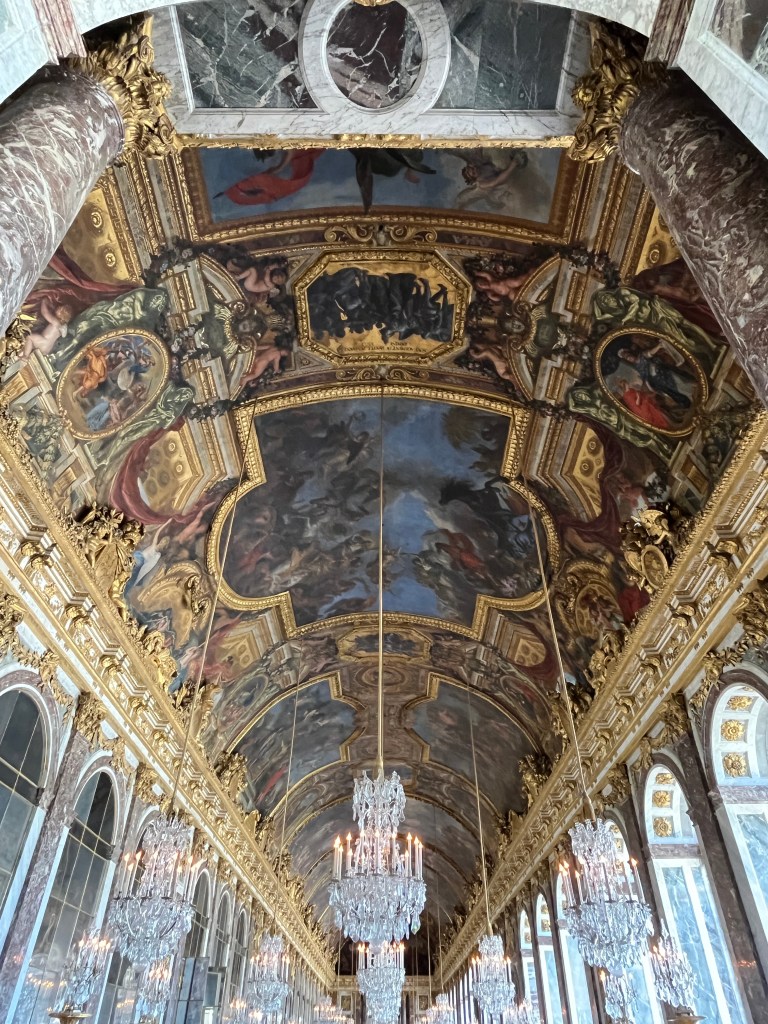
The splendor of Versailles stood in stark contrast to the plight of the French populace in the late 18th century. William Doyle’s “The French Revolution: A Very Short Introduction” vividly describes the dire economic conditions leading up to the Revolution. A series of poor harvests, exacerbated by a catastrophic hailstorm, plunged France into an economic crisis, raising bread prices and leading to widespread hunger. This economic strain, coupled with the monarchy’s opulent display at Versailles, fueled public discontent. The tension between the monarchy and the people reached a climax in the events surrounding the Estates-General of 1789. Doyle recounts how the Estates-General, convened to address France’s financial crisis, became a battleground for political reform. The Third Estate, representing the common people, clashed with the privileged orders over voting rights, leading to the dramatic formation of the National Assembly in June 1789. Their oath in the Tennis Court, to not disband until a new constitution was established, marked a significant step towards the Revolution. Versailles was not merely a backdrop but an active player in this drama. The opulent setting highlighted the stark inequalities that fueled revolutionary fervor. Sewell’s analysis in “Historical Events as Transformations of Structures” provides a framework to understand this period as a time of profound structural dislocation. The Palace, once a symbol of unchallenged monarchical power, became a site of revolutionary transformation, where old structures were dismantled, and new forms of political legitimacy were forged.
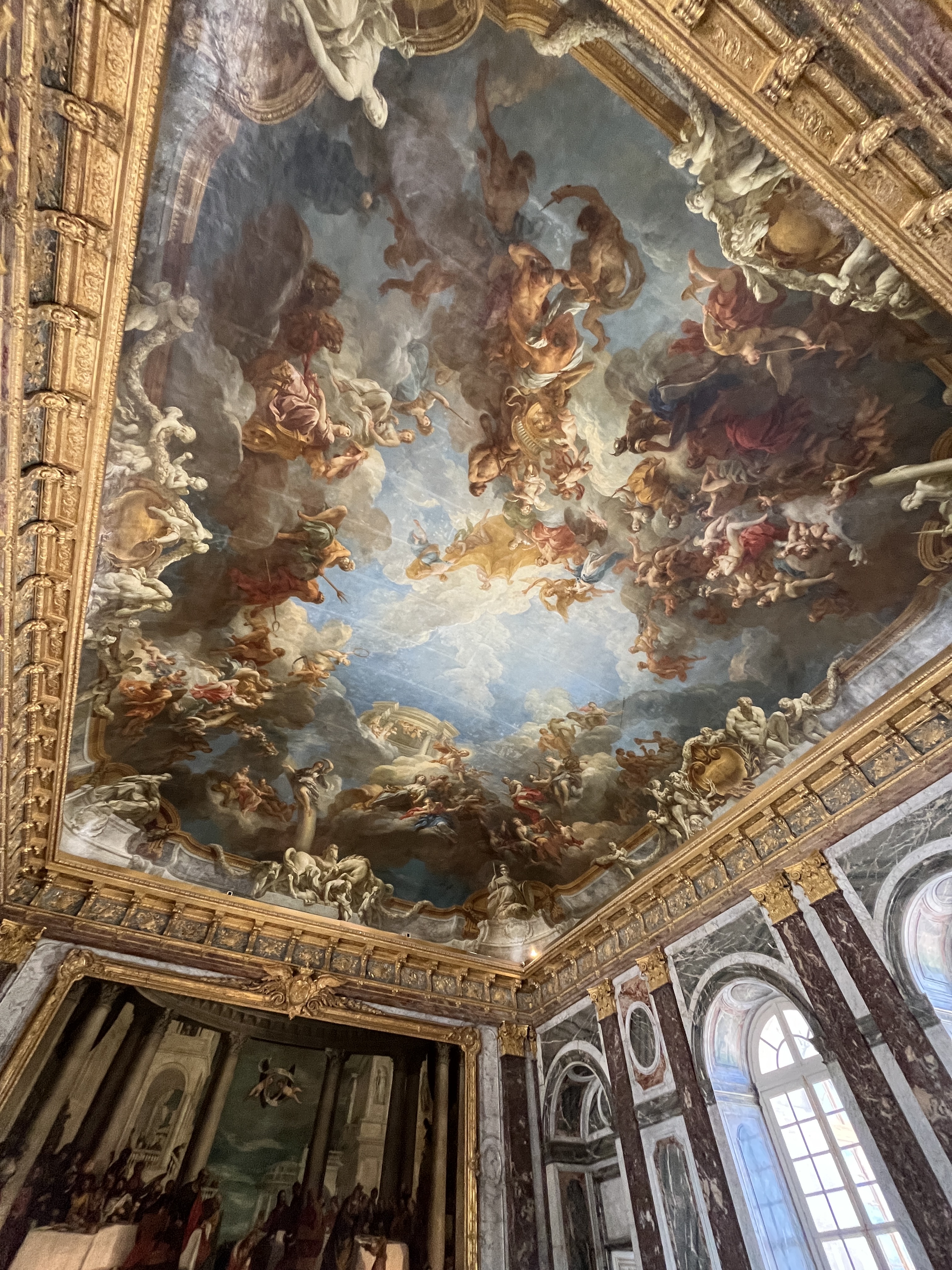
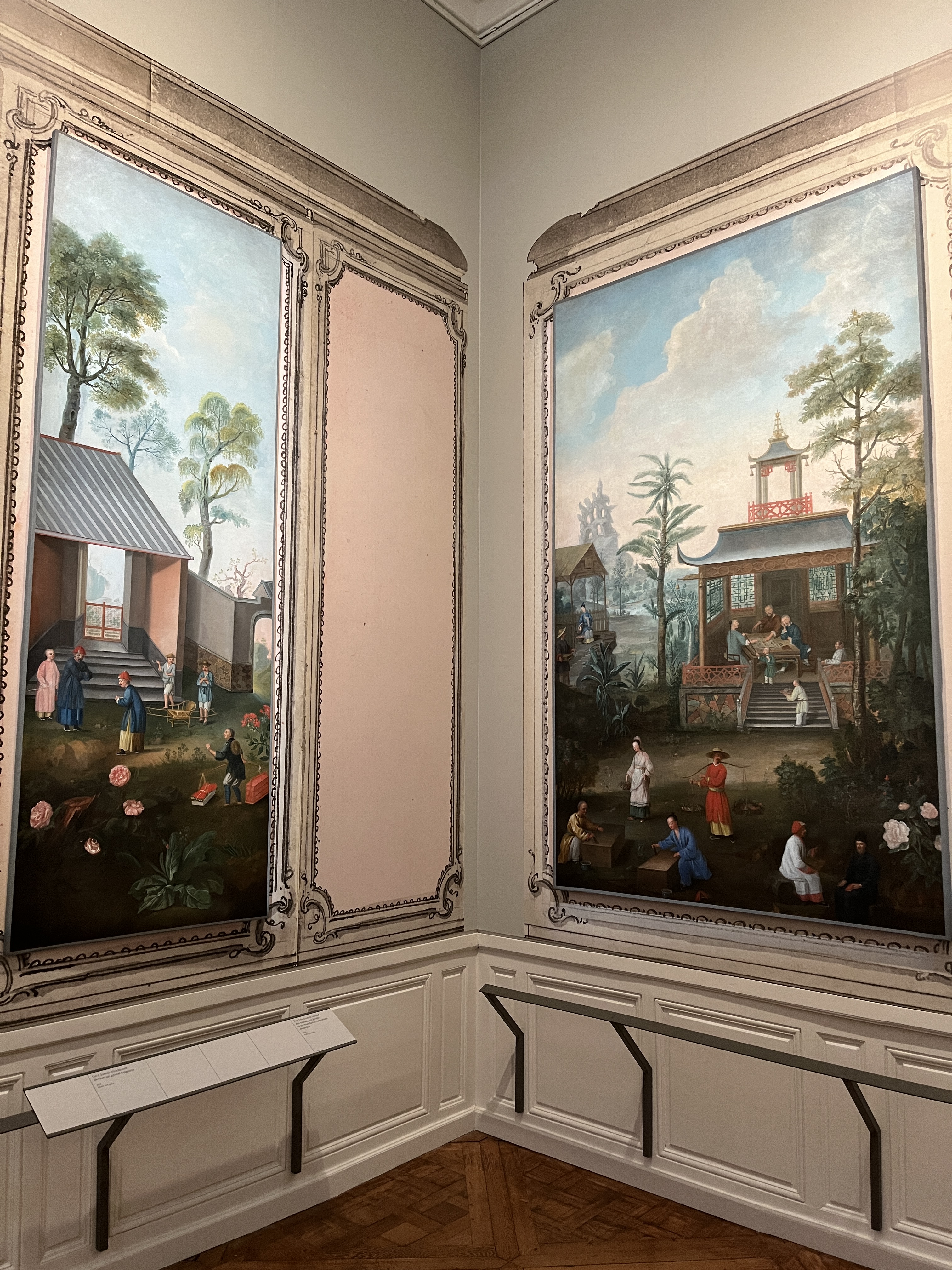

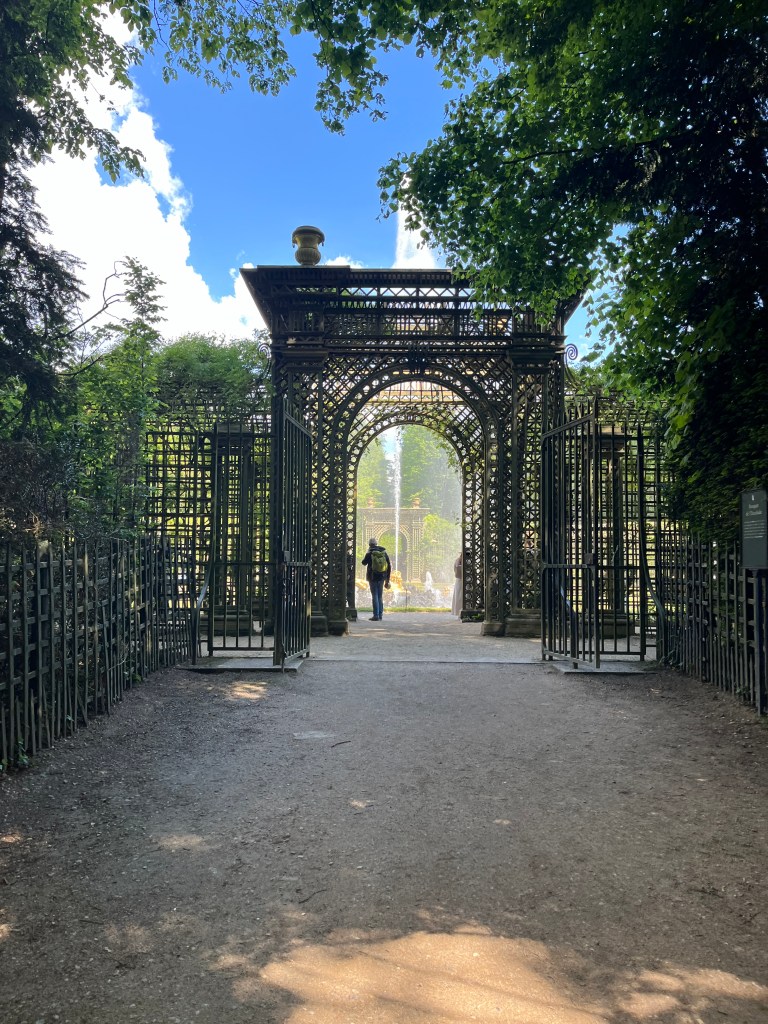
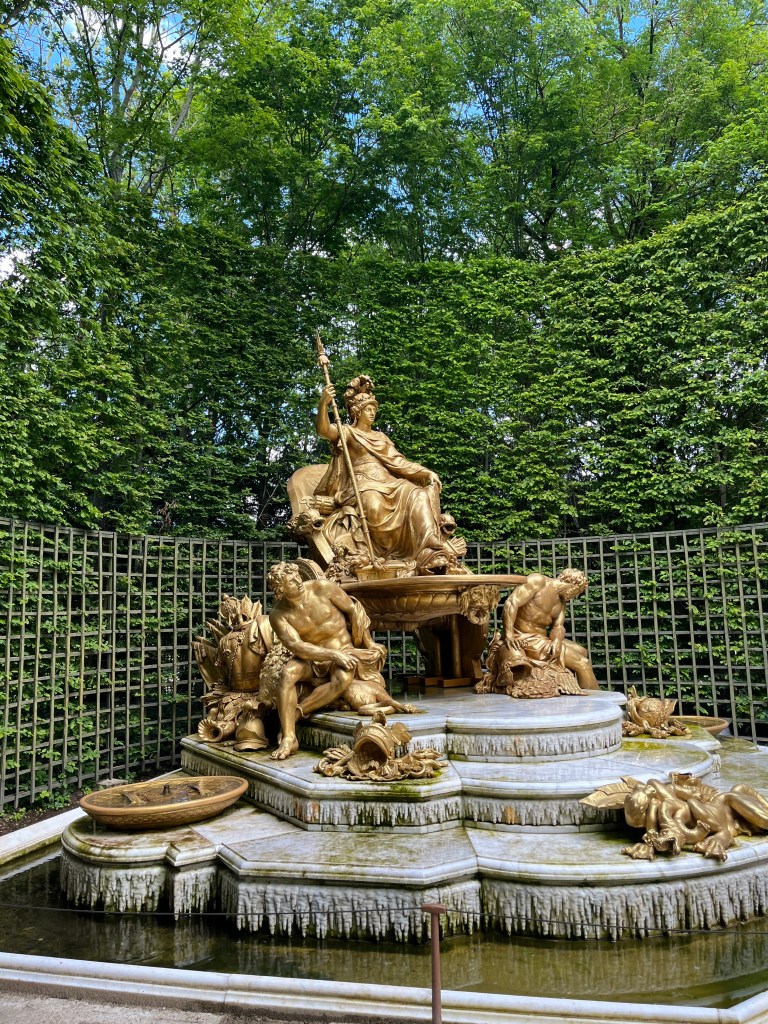
As I explored the gardens, I reflected on the symbolism of Versailles in the revolutionary narrative. The vast, meticulously designed landscapes, meant to showcase royal control over nature, ironically mirrored the monarchy’s attempt to maintain control over a society on the brink of upheaval. This control was ultimately an illusion, as the Revolution would dismantle the very foundations of royal authority symbolized by Versailles.
The emotional intensity of this period, as described by Sewell, was palpable in the Palace. The frustration and anger of the common people, juxtaposed against the backdrop of royal luxury, created a volatile mix that exploded in the revolutionary events. The women’s march to Versailles in October 1789, demanding bread and bringing the royal family to Paris, was a powerful demonstration of the people’s newfound agency and the diminishing power of the monarchy.
In conclusion, the Palace of Versailles serves as a poignant reminder of the French Revolution’s deep roots in economic and social inequality. It stands as a testament to the dramatic shift from a society ruled by divine-right monarchy to one striving for democratic governance. The opulence of Versailles, contrasted with the suffering of the French people, underscores the profound transformations that characterized this revolutionary period. Through our exploration of Versailles, we gain a deeper understanding of the complexities and dynamics that shaped the course of the French Revolution, making it a foundational site in our study of revolutionary cities, and I feel so lucky that we were able to begin our trip with such a fabulous exploration.
 Revolutionary Cities