

As a student hailing from an American University, my visit to Paris was marked not only by iconic landmarks and sumptuous foreign cuisine but also by the vibrant street art that adorns the city’s walls, almost as foreign to me as France’s cuisine. From the cobblestone streets of Montmartre to the bustling neighborhoods of Le Marais, Parisian graffiti serves as a canvas for expressions of revolution and freedom, echoing the spirit of defiance that has defined this historic city for centuries.
Walking through the city, I’m always struck by the kaleidoscope of colors and images that greet me at every turn. I see Graffiti, once considered a form of vandalism, evolve into a powerful means of artistic expression, conveying messages of social justice, political dissent, and cultural identity.
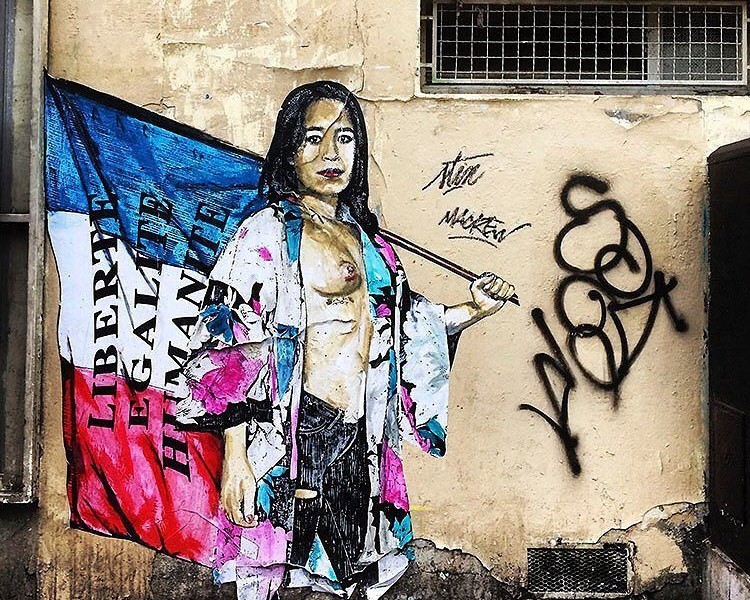
In the shadow of the Notre Dame Cathedral, I stumbled upon a mural depicting the iconic face of Marianne, the symbol of the French Republic, adorned with the colors of the Tricolore. This striking image encapsulated the enduring legacy of the French Revolution, reminding passersby of the ideals of liberty, equality, and fraternity that continue to shape the nation’s identity.

Aboard a boat along the banks of the Seine, I encountered graffiti with varying messages from paying homage to the revolutionary spirit of the Paris Commune to raising voice for Ukraine and Palestine.
In the bustling neighborhoods of Paris, I found myself immersed in a riot of colors and styles that reflected the diverse voices of Parisian society: murals depicting iconic figures standing alongside more contemporary symbols of resistance, highlighting the city’s rich intellectual and cultural heritage.

Yet amidst the bold declarations of defiance, there were also subtle reminders of the challenges that Paris faces in its ongoing struggle for social justice and equality. Messages advocating for immigrant rights, LGBTQ+ rights, and environmental conservation spoke to the pressing issues of our time, underscoring the role of graffiti as a catalyst for change and a platform for marginalized voices.
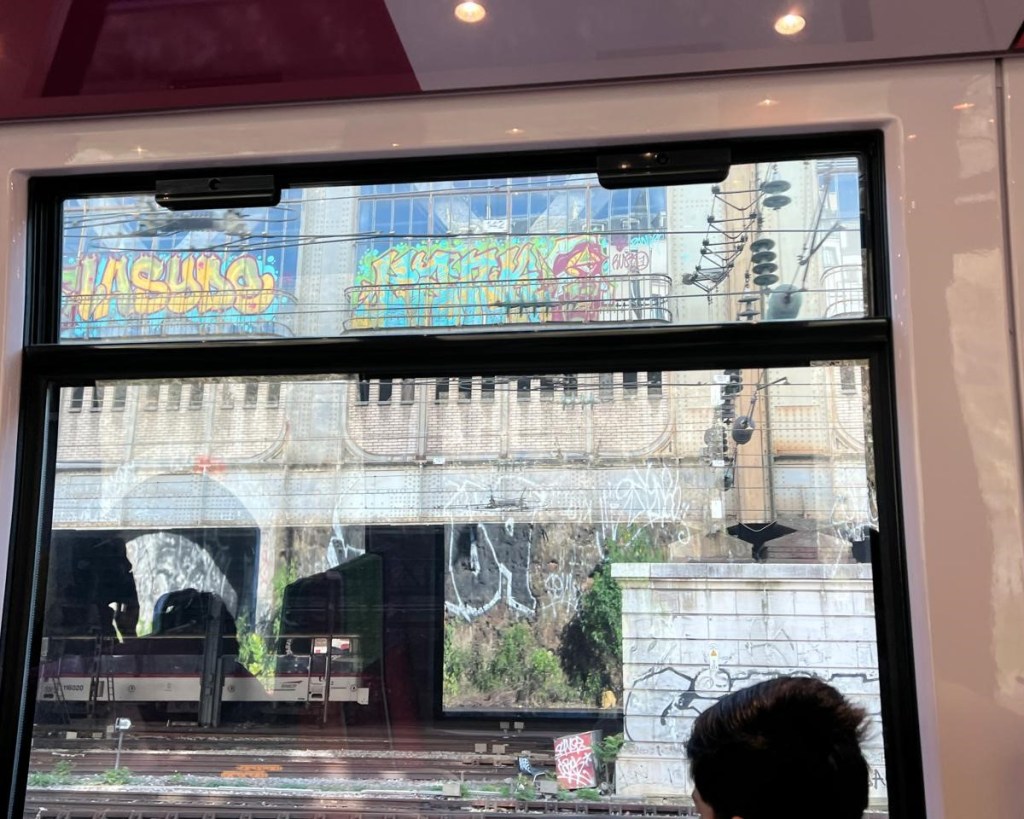

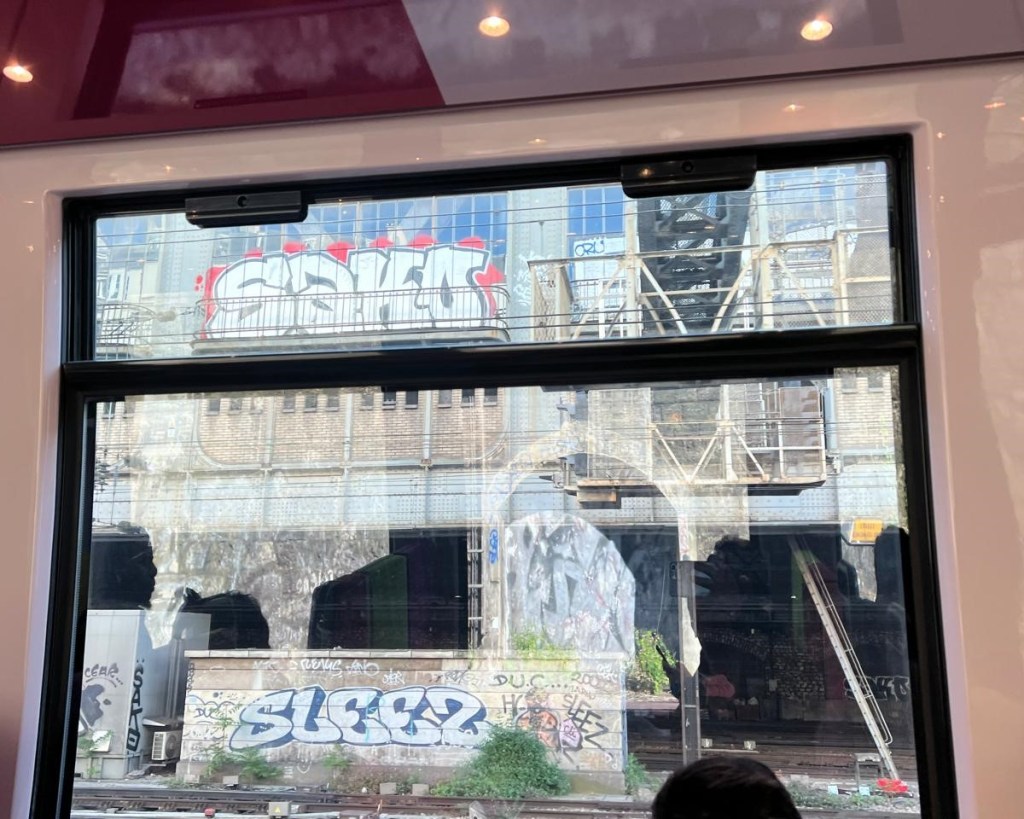
While I didn’t always understand the messages depicted, I can’t help but feel inspired by the resilience and creativity Paris’s street art represents. Parisian graffiti is more than just art; it’s a reflection of the city’s tumultuous history, its ongoing quest for freedom, and its unwavering commitment to the principles of revolution and democracy.
My journey through the streets of Paris has not only deepened my appreciation for the power of street art, but also reinforced my belief in the transformative potential of art as a force for social change. As I return to America next fall, I’ll carry with me the lessons learned from Parisian graffiti, knowing that the fight for justice and equality knows no borders and that the voices of the oppressed will always find a way to be heard.
 Revolutionary Cities