
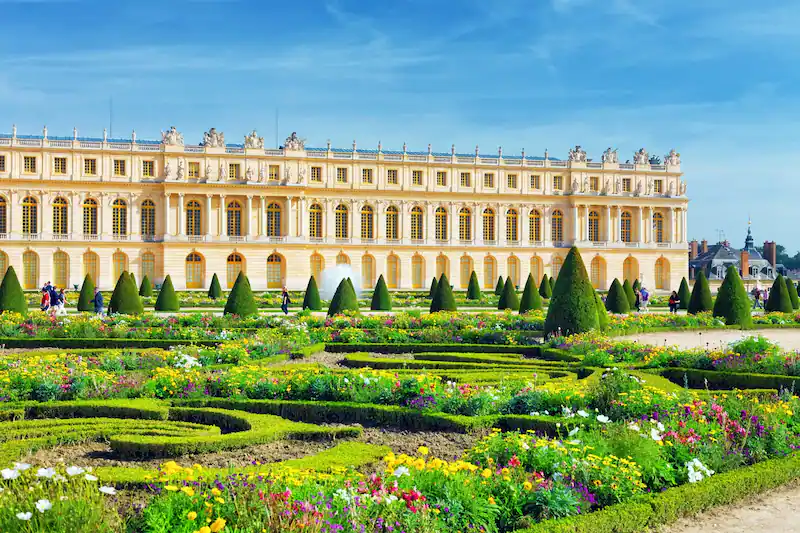
With its grandiose decorated rooms and seemingly endless rows of lush gardens and golden fountains, the Palace of Versailles is certainly a sight to behold. After all, it is considered as one of the greatest achievements in French 17th century art. Commissioned by King Louis XIV in 1631, the Palace of Versailles is a former royal residence that also served as the main body of governmental administration. Today, the palace spans over 63,154 meters squared and comprises of more than 2,300 rooms. Beyond its grandeur and extravagance, the Palace of Versailles played a significant role during the French Revolution by serving as an iconic symbol and a physical space in representing the absolute monarchy and the excesses of the French elite.
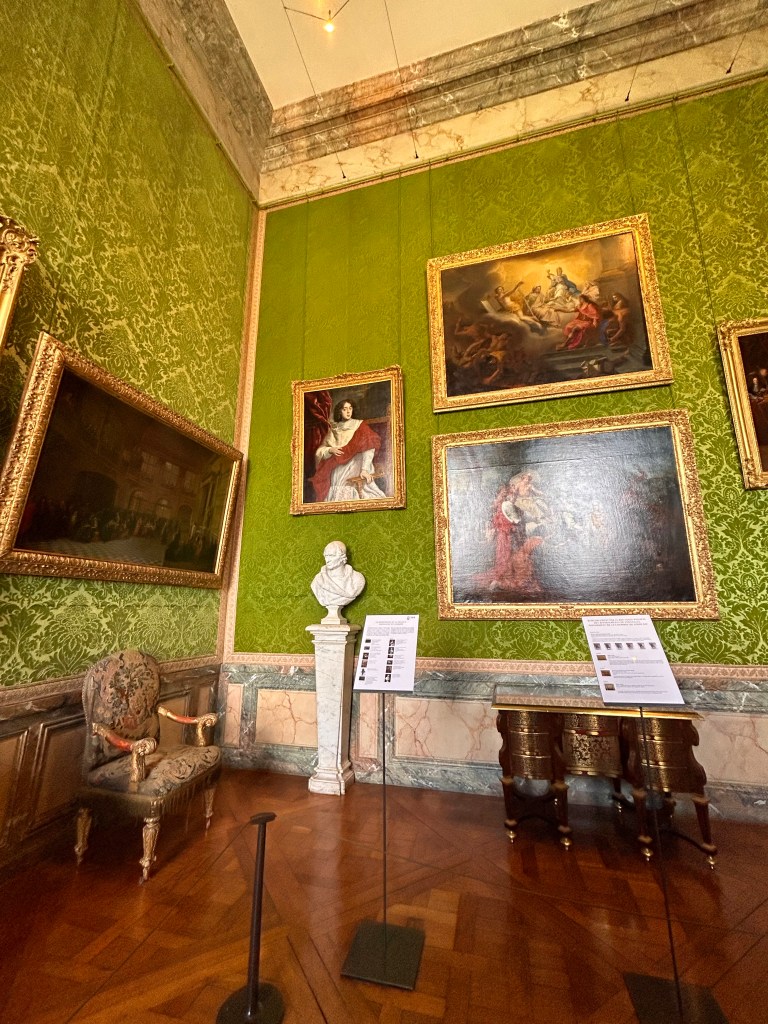
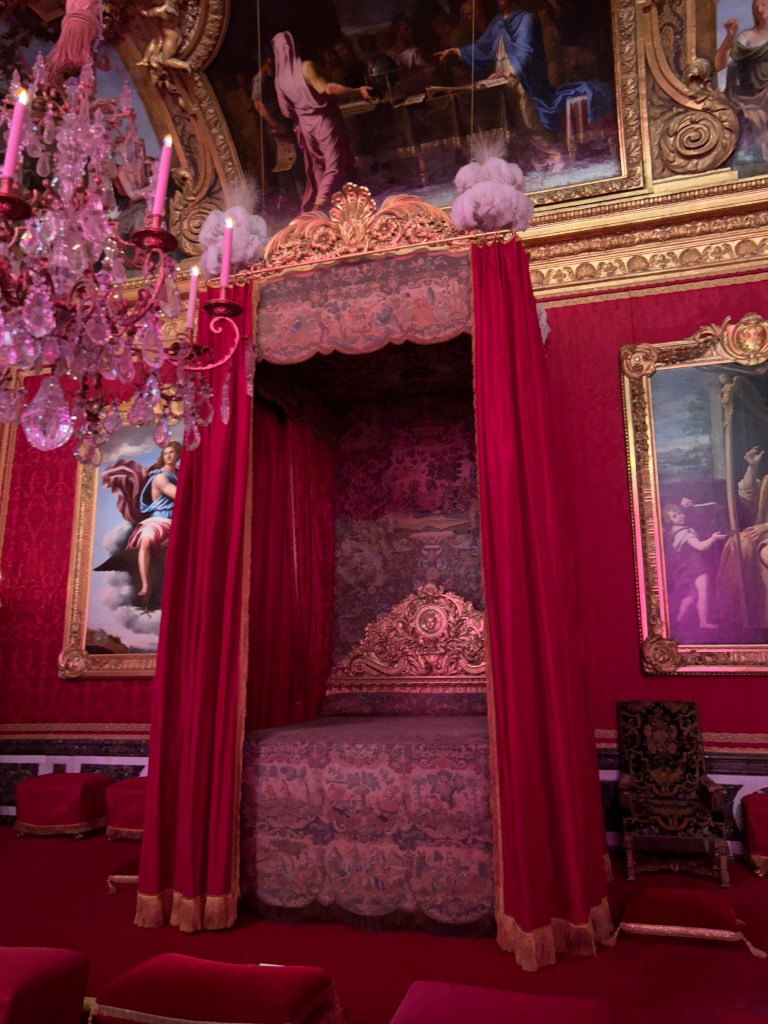
Walking through the colorful salon rooms and the chambers of the late King Louis XIV and Marie-Antonette, I couldn’t help but feel a sense of anguish that the common French people must have felt when their voices were disregarded and their children left to starve while their leaders draped themselves in luxury. Room after room felt like another entrance to yet another fantasy that even as a visitor, I felt beguiled to indulge myself in and take in every visual of the place. Each piece of furniture on display in every room that I walked through conveyed royalty: whether they were carefully carved with wood or intricately detailed with gold, I was mesmerized with the sheer lavishness that the royal family must have lived in.

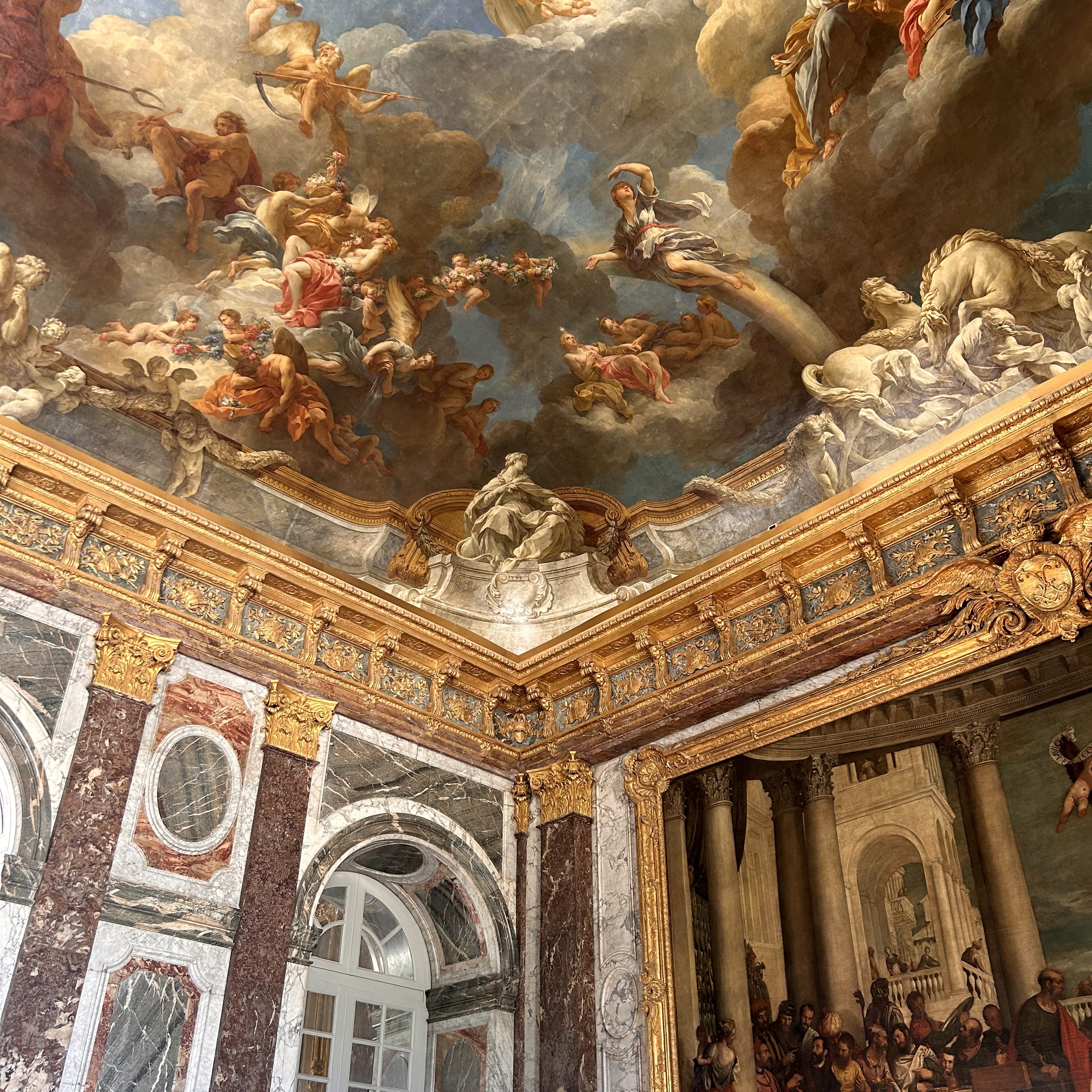
With the numerous statues dedicated to nobility, it was clear to me that Versailles not only served as a symbol of excessive royalty and inequality but also political isolation. King Louis XIV intended to isolate himself and the nobility from the rest of the people to consolidate enough power. This intentional act further exacerbated the situation and tensions between the French people and the monarchy. The physical location of Versailles also served as a point of a revolutionary event. In what is known as the Women’s March on Versailles in October 1789, thousands of Parisian women marched towards the palace to demand Louis XVI for bread and his family to move back to Paris, which highlighted its physical space as a focal point for public discourse and awareness.
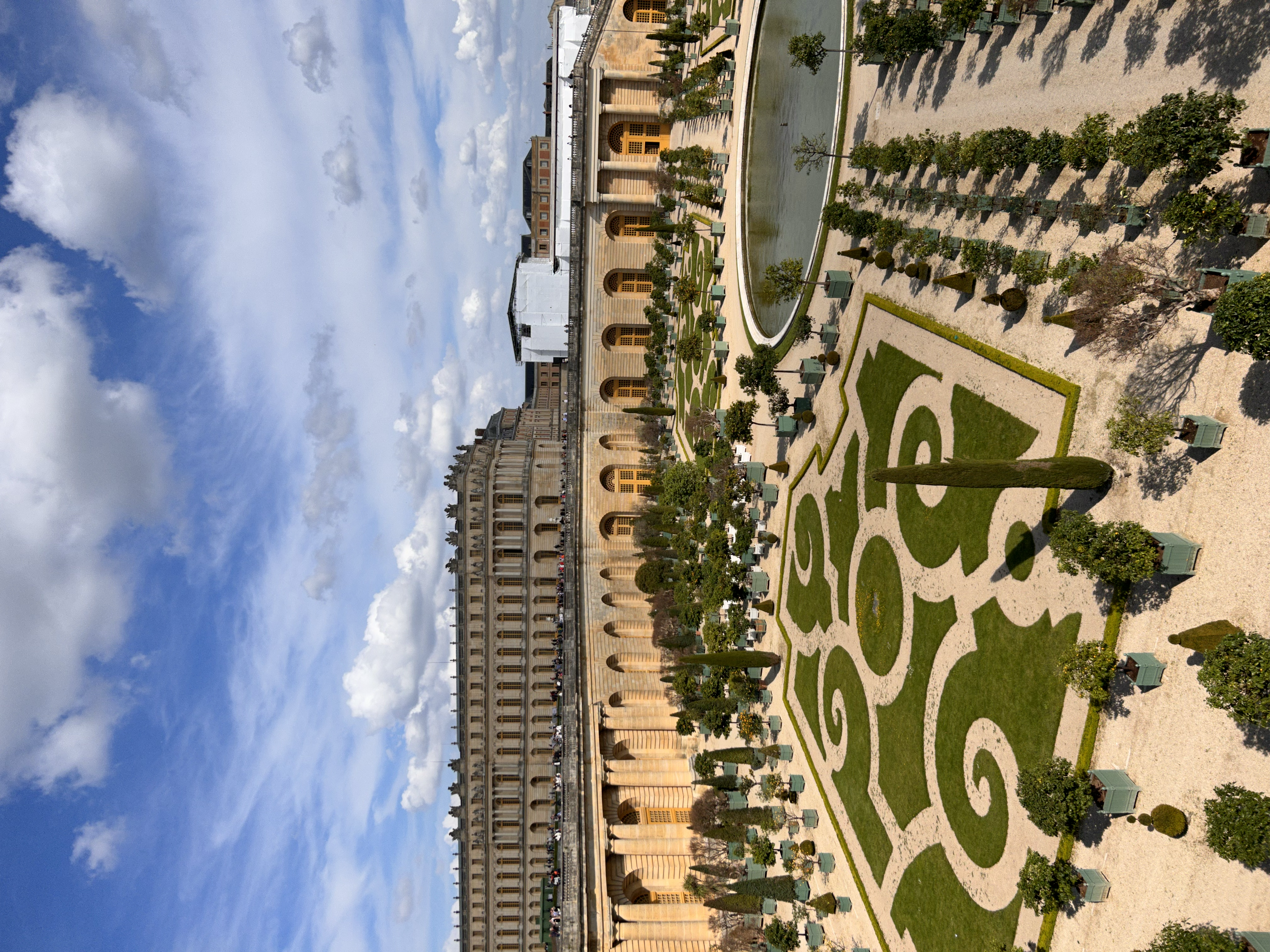
Gardens of Versailles
After visiting the Versailles Gardens situated beyond the enormous palace, it became clear that while it certainly have been beautifully serene to live in such peace and luxury, the priorities of King Louis XVI were certainly misaligned with the French people. If his priorities did align, certainly events like the Tennis Court Oath in 1789 would not have occurred, in which people decided to consistently convene until they could establish and solidify a constitution. As I reflect upon the physical space of the Palace of Versailles as both a political and social symbol and the events after its establishment, I’m further fascinated with how the French people tirelessly worked for liberty, equality, and fraternity.
The Palace of Versailles is heavily intertwined with the causes, development, and outcomes of the French Revolution, serving as a hallmark not just as a residence for the monarchy, but as a transformative symbol of a significant period in French history.
 Revolutionary Cities