
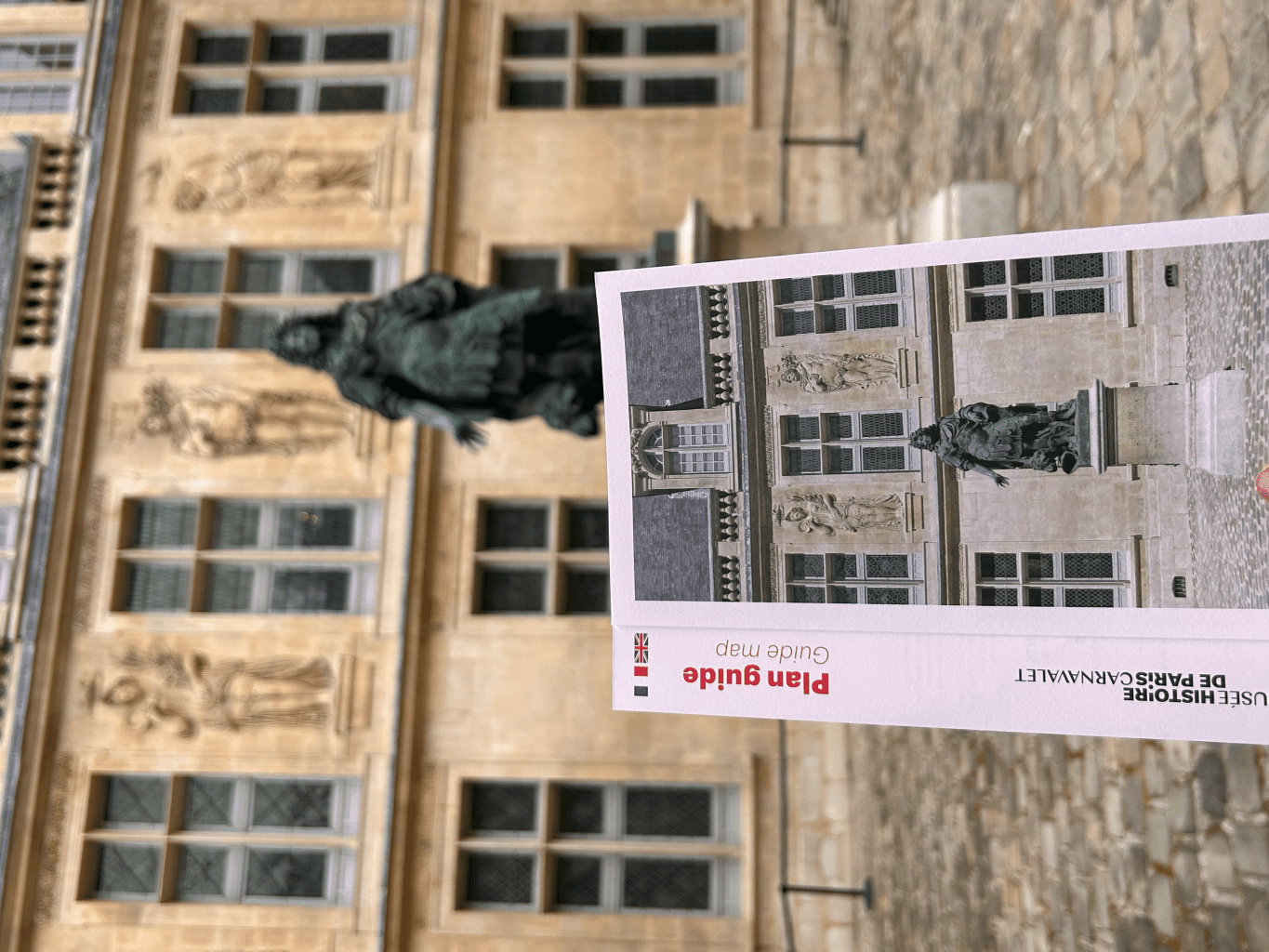
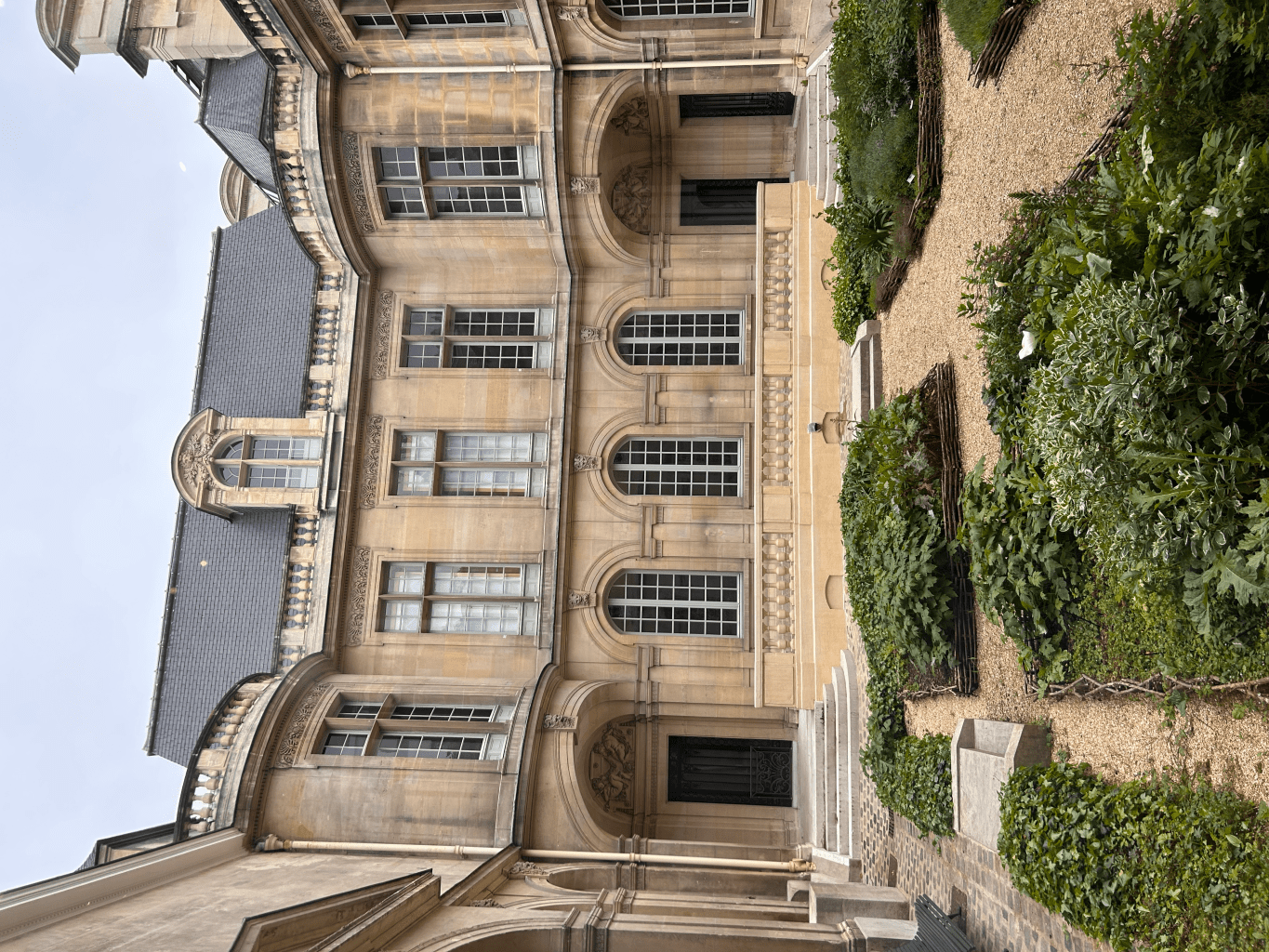
Located north of the Island of Saint-Louis, the Musée Carnavalet houses approximately 4,000 itinerary works to narrate the history of Paris, from the origins to present day. Upon entering the museum with the rest of the class on a cloudy Wednesday, I took my time in passing by rooms filled with the urban landscape models of Paris and ventured downwards to the basement (-1 Floor) to start learning about French archaeological excavations from periods dated to the Mesolithic Era. Some artifacts that I recall that I found fascinating was a canoe made entirely out of oak wood, and intricately carved pillars of statues. I was particularly intrigued with the terrifyingly accurate replica of a human skeleton in a sarcophagus in the back of the exhibit room. As I climbed towards the floor housing the French Middle Ages, I was also interested in a specific artwork called the “La Danse macabre.” Created in 1424, the macabre dance conveyed the important message that despite social classes, encounters of living people are all rendered equal before death. I found that rather riveting, especially after visiting the Palace of Versailles. It made me question after understanding the meaning of this artifact: “Did people like Louis XIV really need an enormous palace to guide his people?”

The Macabre Dance
Visiting the Musée Carnavalet also was an eye-opening experience for me in learning more about the nuances of the French Revolution. From observing the second floor’s artifacts on the French Revolution, I learned more about this particular aspect of French history. Representatives of the three orders, consisting of the clergy, nobility, and the people transmitted their demands, and it was only when the the third estate proclaimed itself as the “National Assembly” conveyed the beginning of a revolution. Shaped by critical events such as the rising price of bread, unusually long and cold winters, and the firing of the very popular Minister Necker, many French people forcibly entered the prison of the Bastille on July 14th, 1789. Faced with immense pressures from the Assembly to ratify the first articles of the Consitution and the inflexible entourage, King Louis XVI promised to intervene. And yet unfortunately, he attempted to flee, which did not help with the consolidation of his power and trust in his people. When the National Convention decided to completely abolish the monarchy on September 21, 1792, France had became a republic the following day.
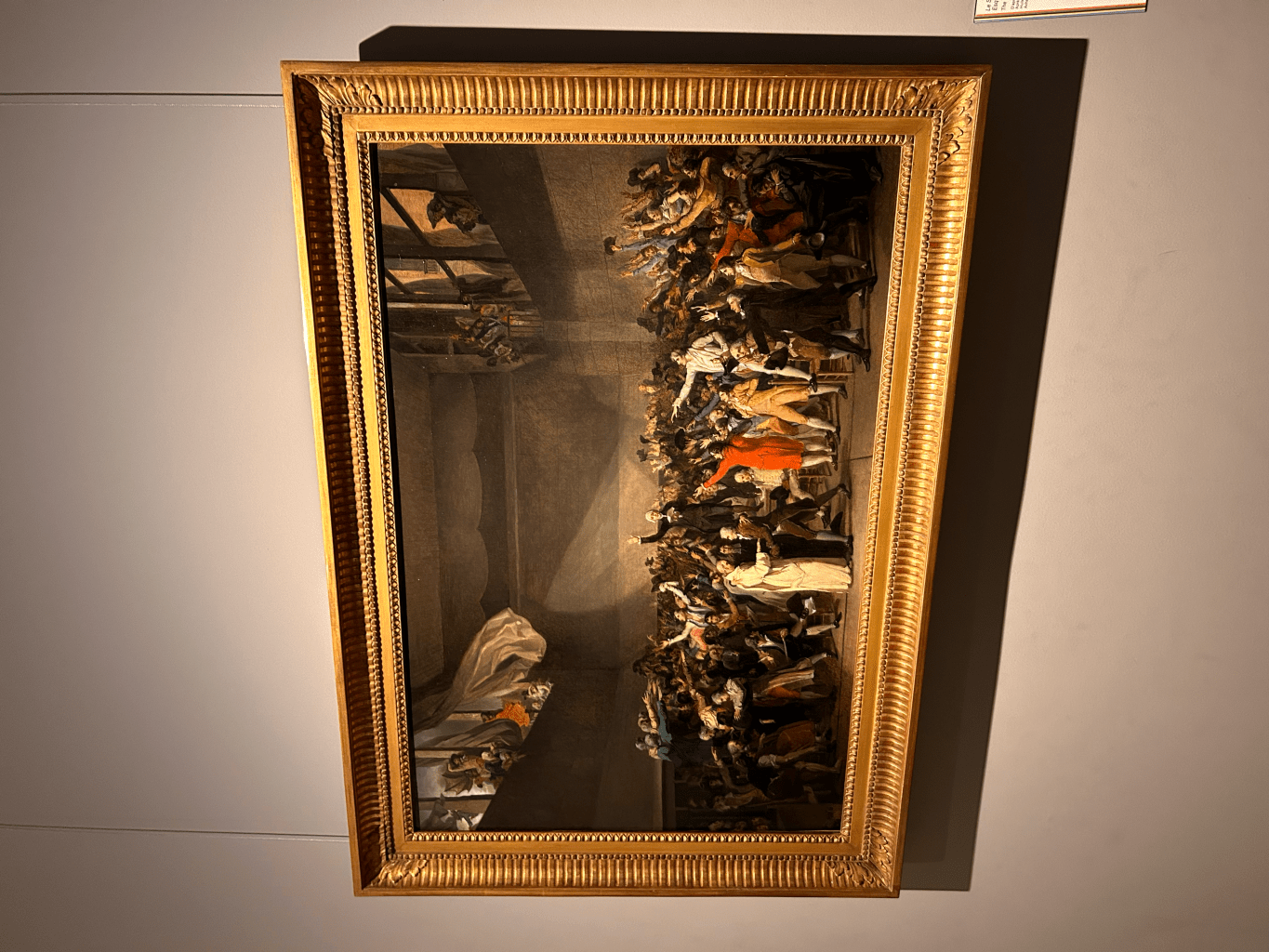

I thoroughly enjoyed learning about the history of France from the exhibit format of the museum. From understanding its origins to the contemporary times of France, I am continuously engrossed in learning more about Paris’ urban spaces and the history that makes the city the way that it is.
 Revolutionary Cities