
<May 8th, 2024>
The Musée Carnavalet in Paris is a captivating museum dedicated to the history of the city. Housed in two stunning historic mansions – the Hôtel Carnavalet and the Hôtel Le Peletier de Saint-Fargeau – the museum offers a journey through the evolution of Paris from its earliest days to the present.

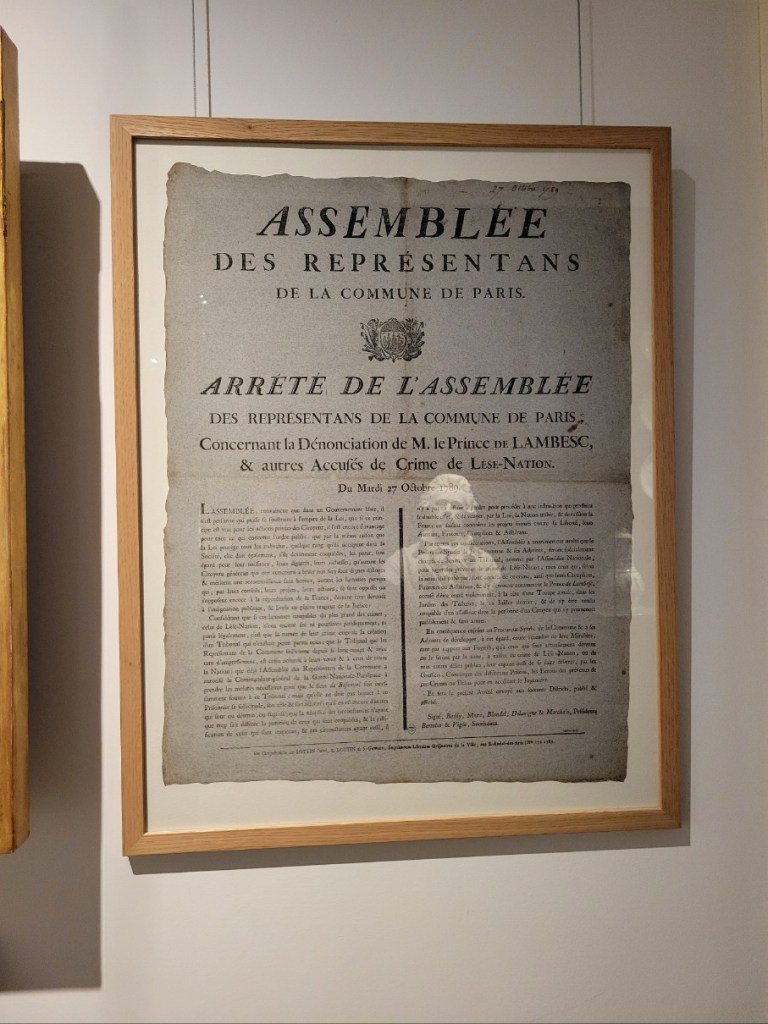
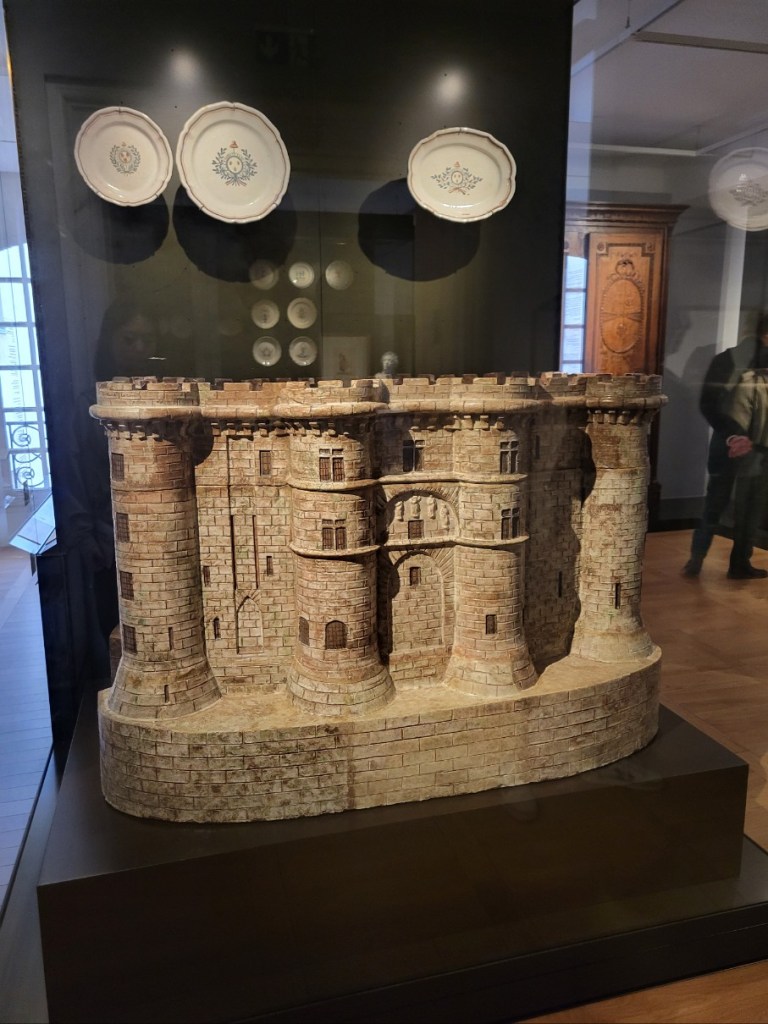
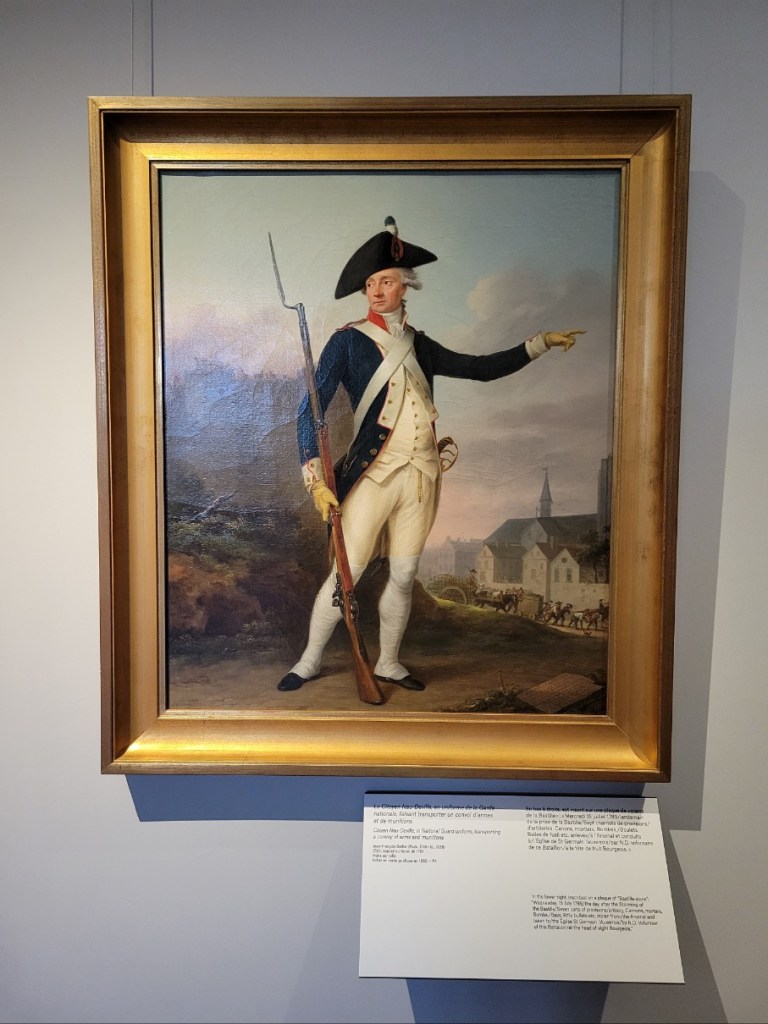
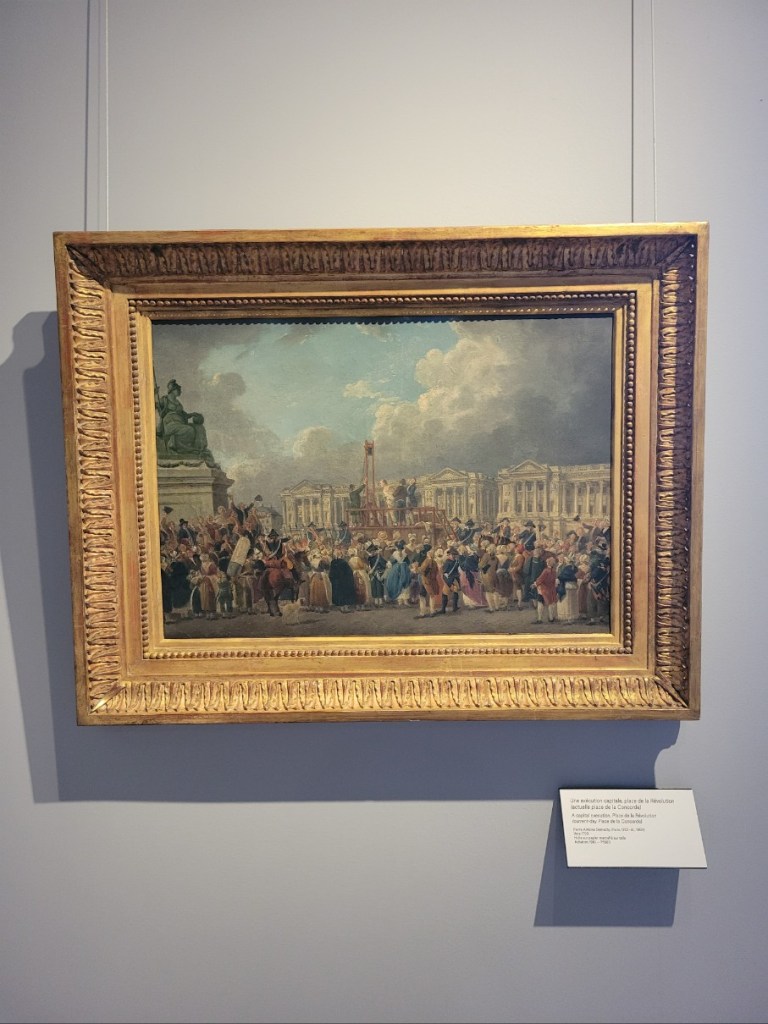
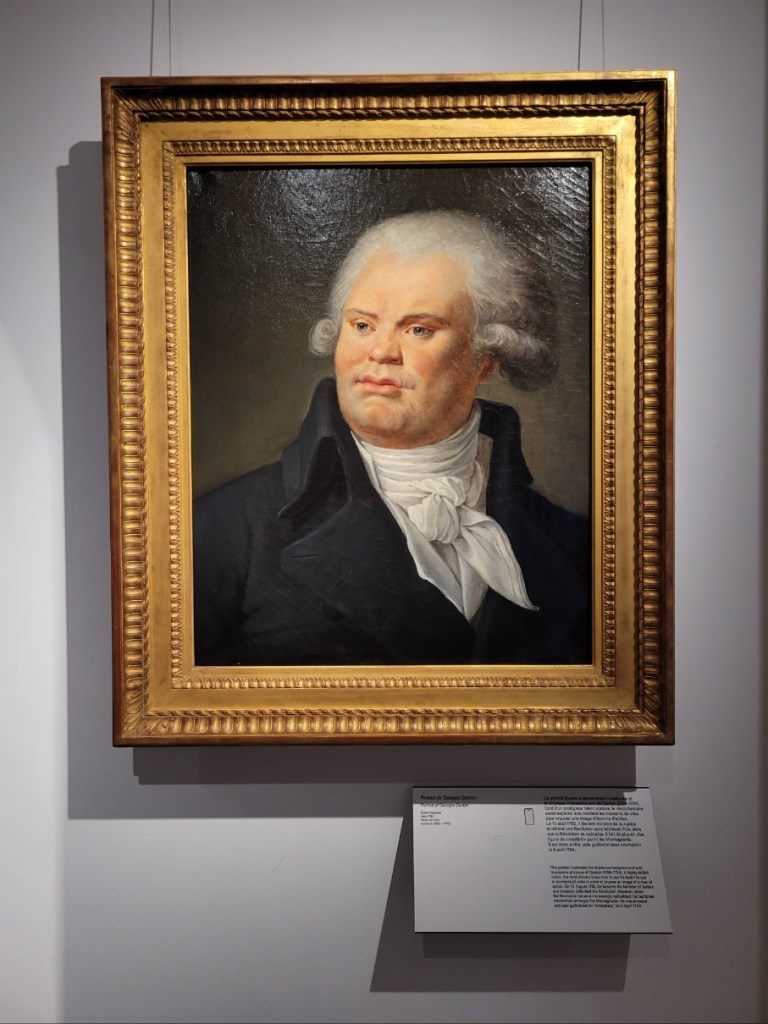
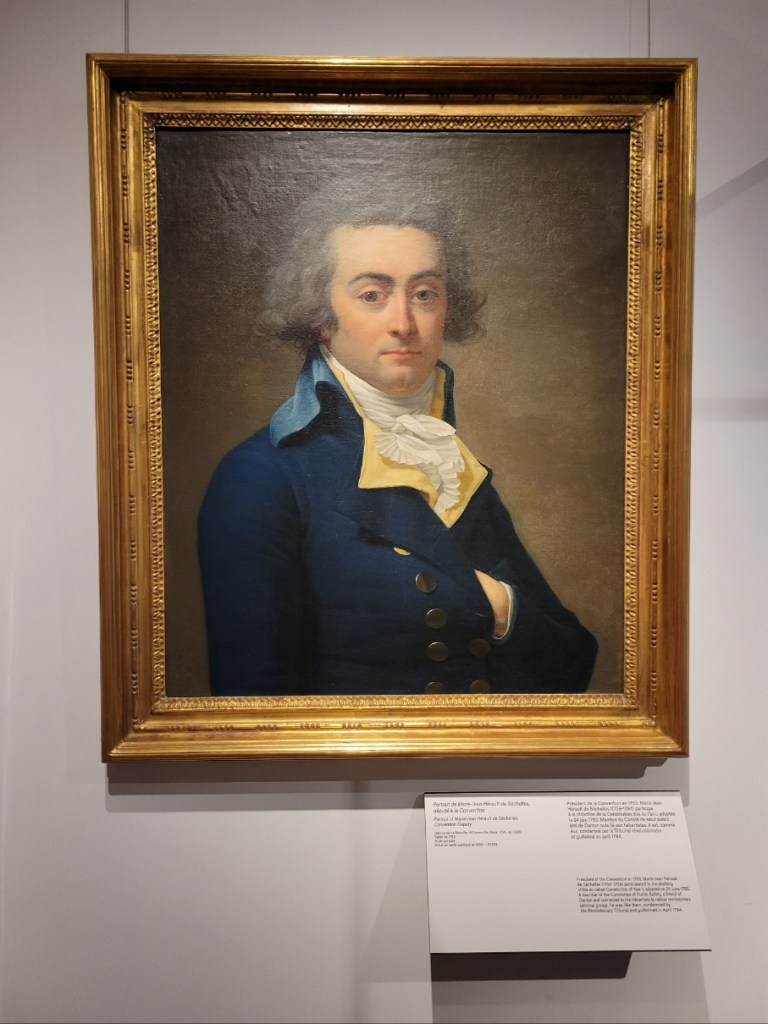
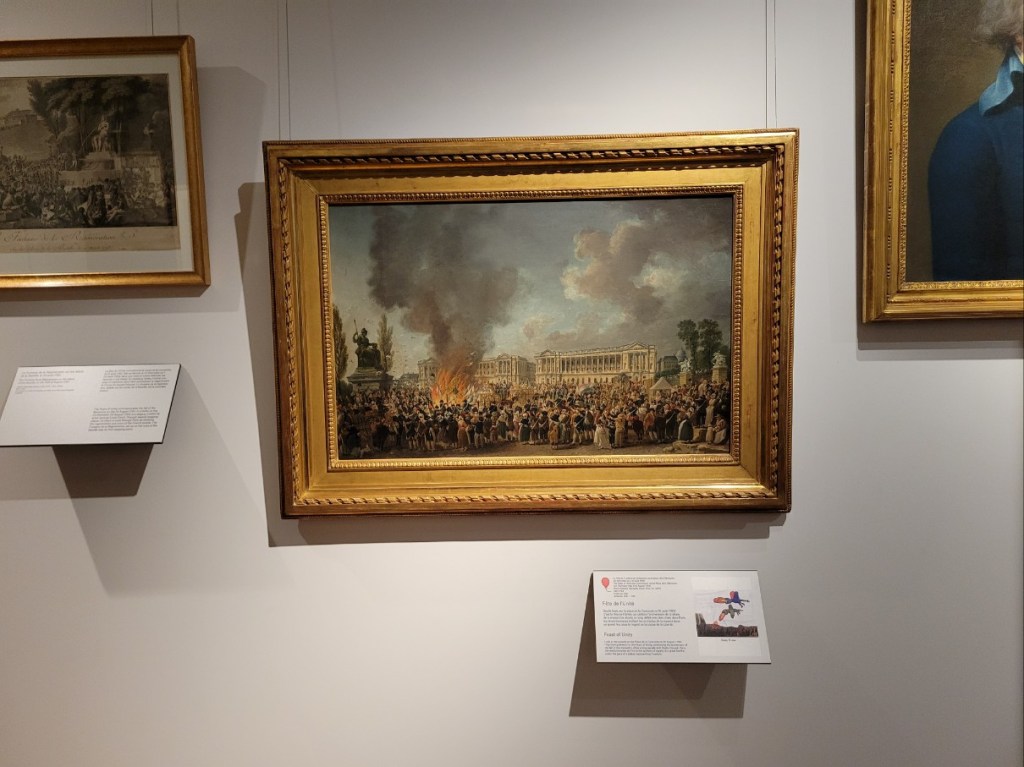
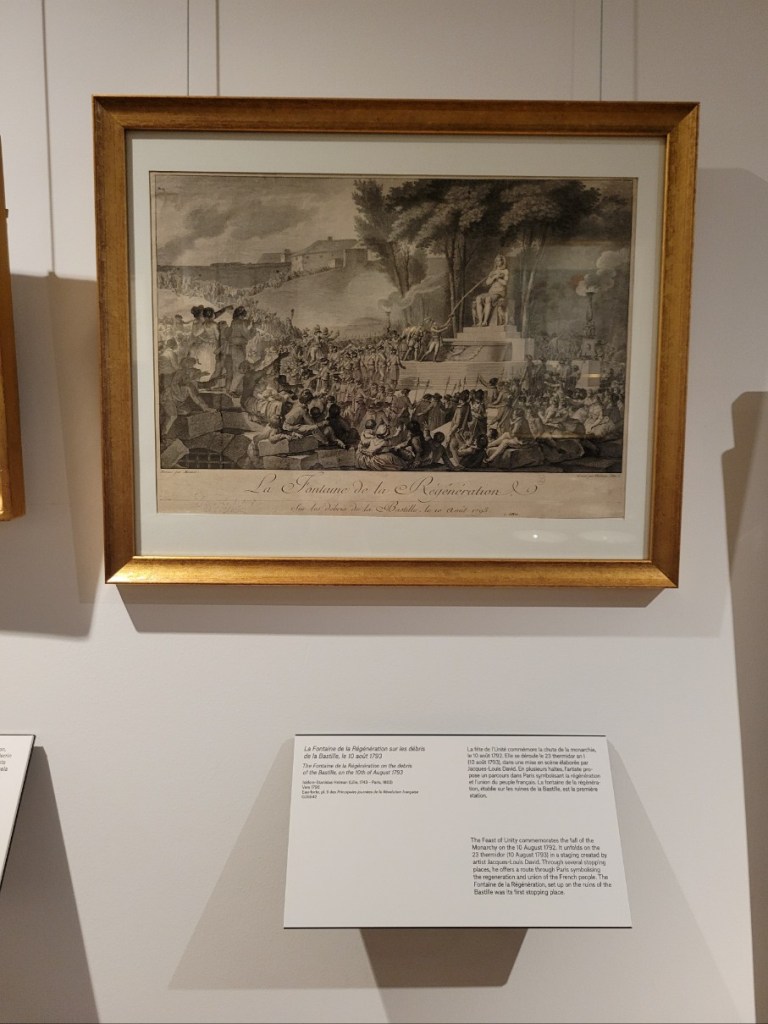
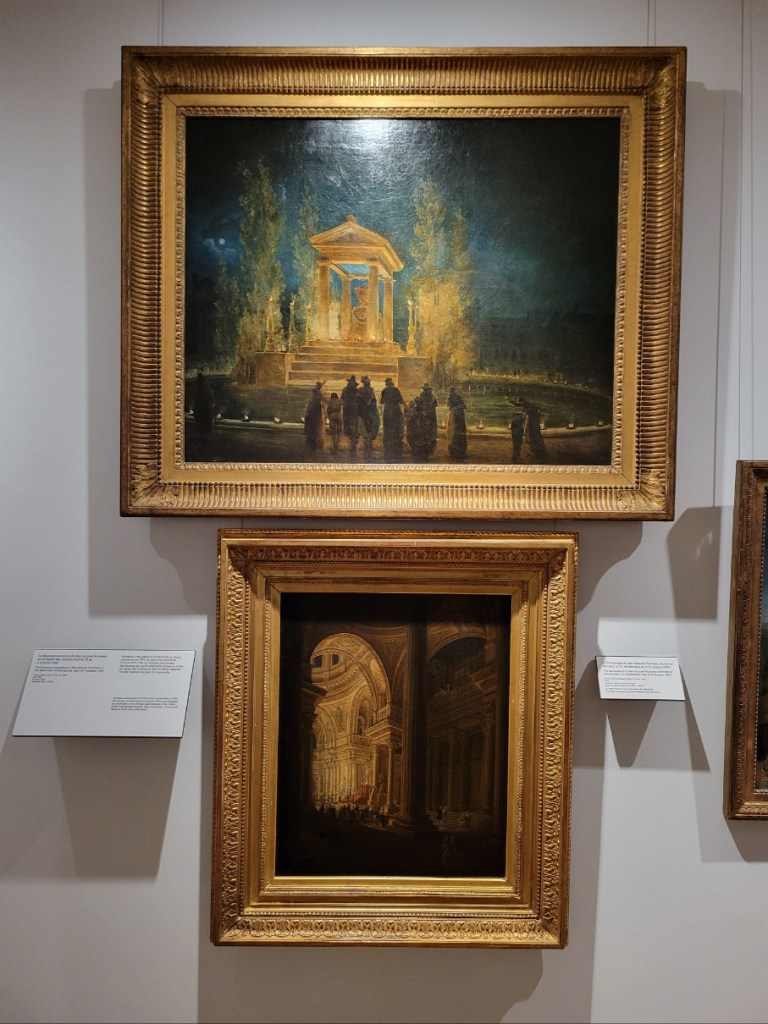
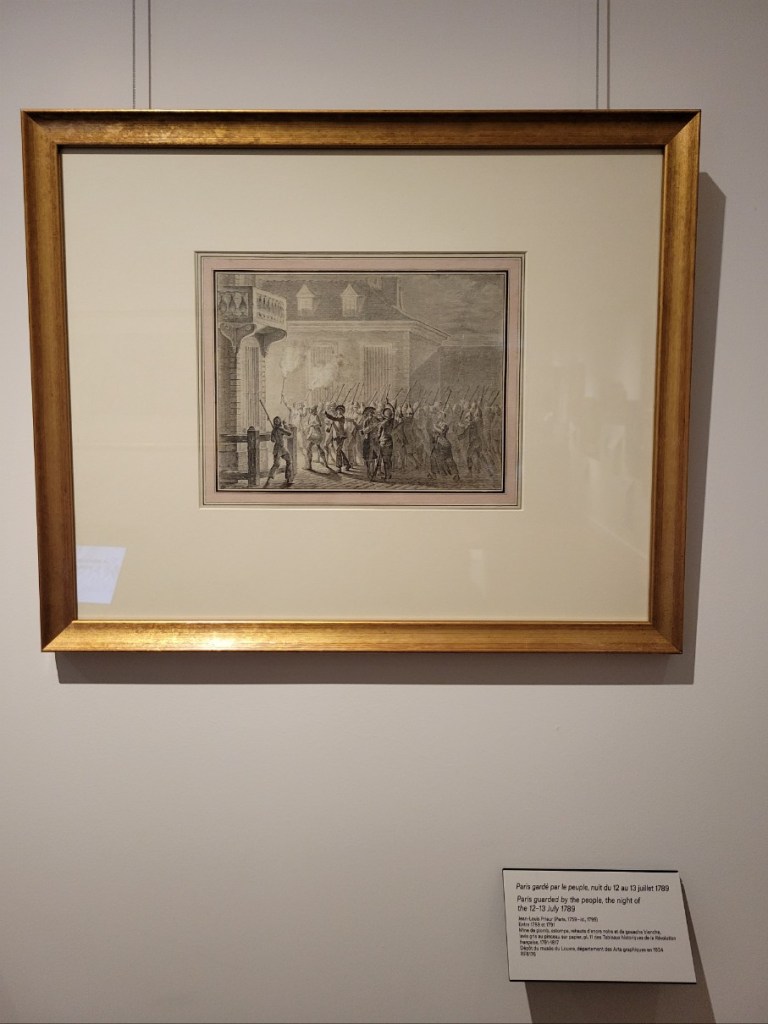
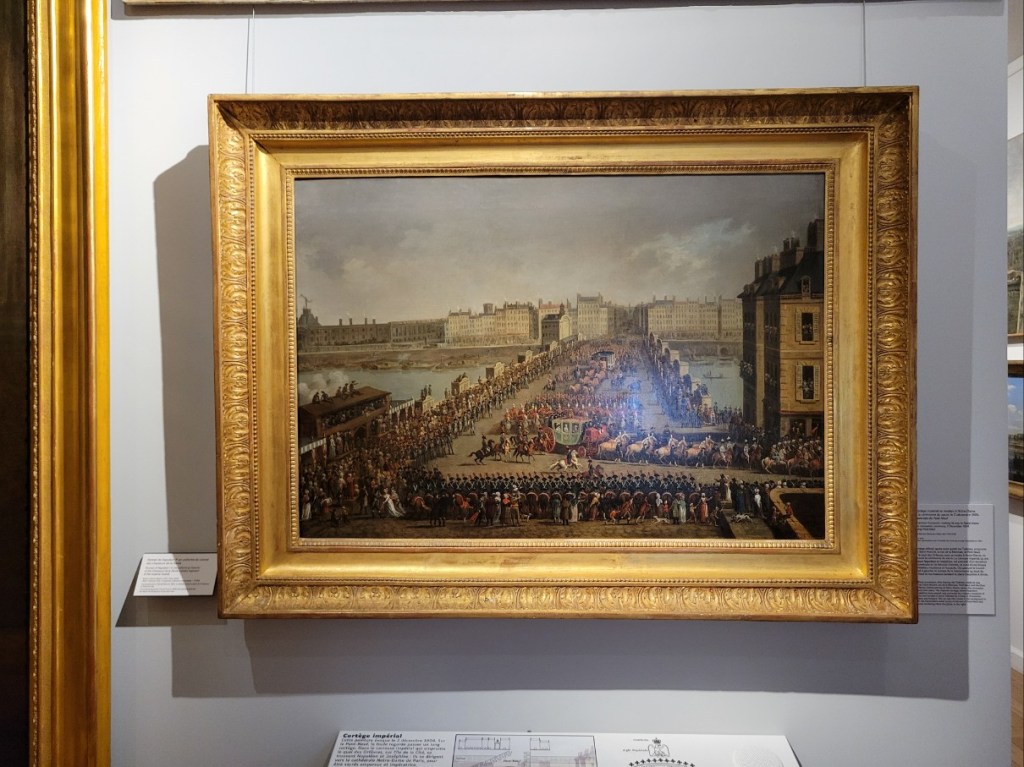
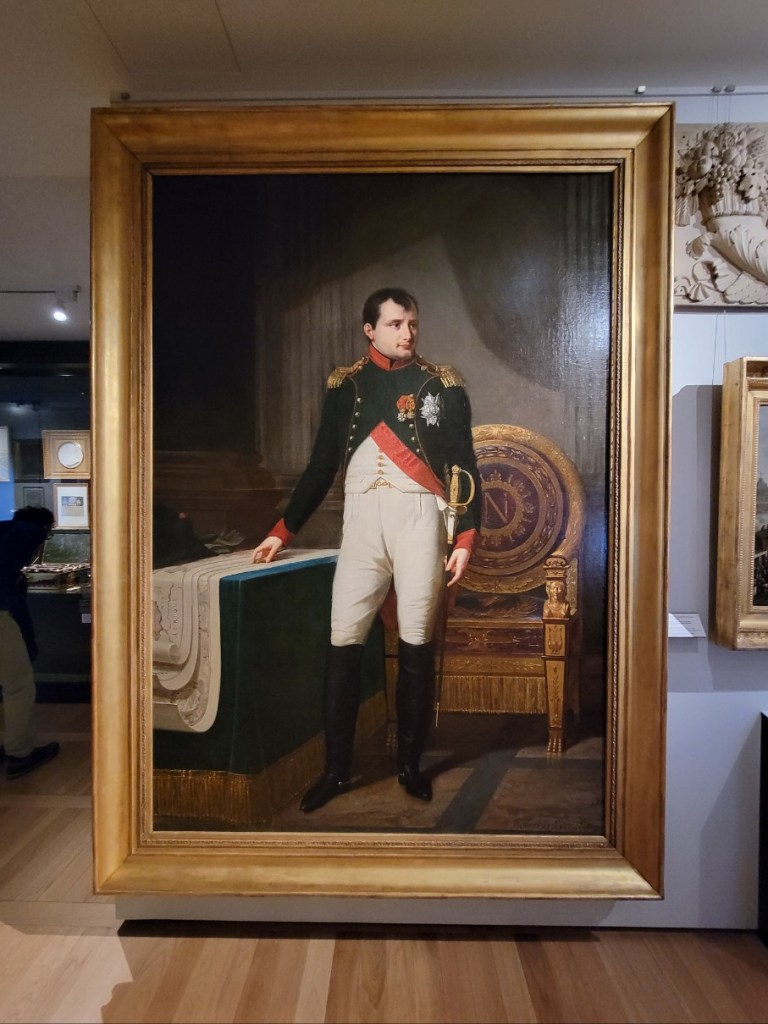
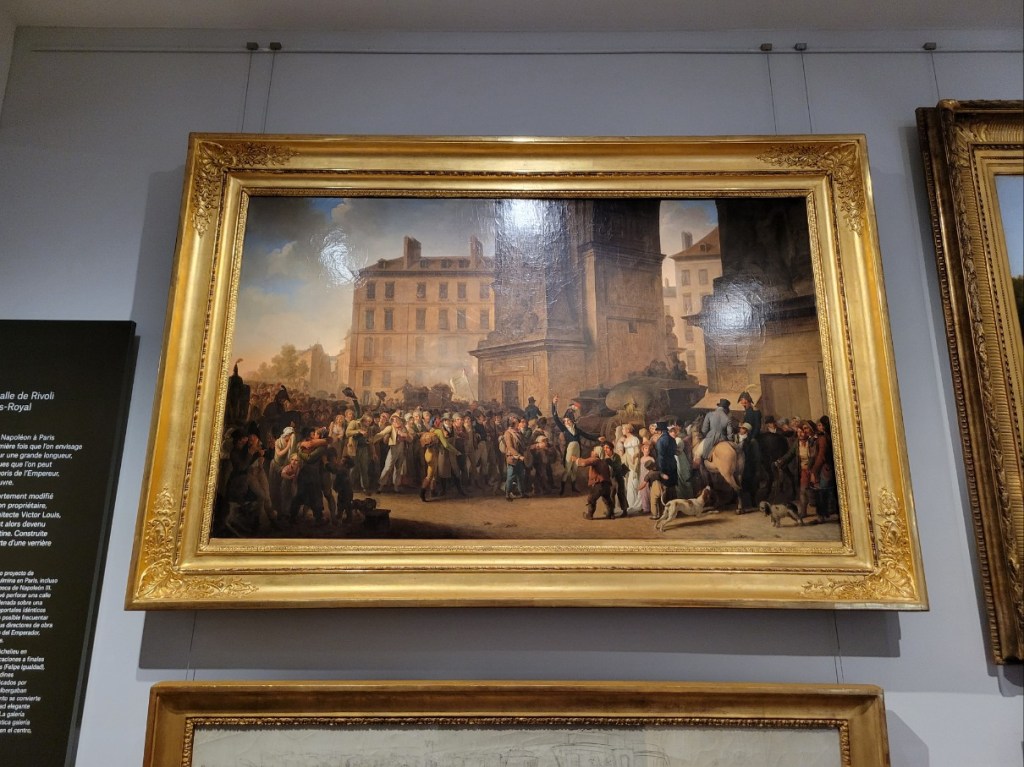
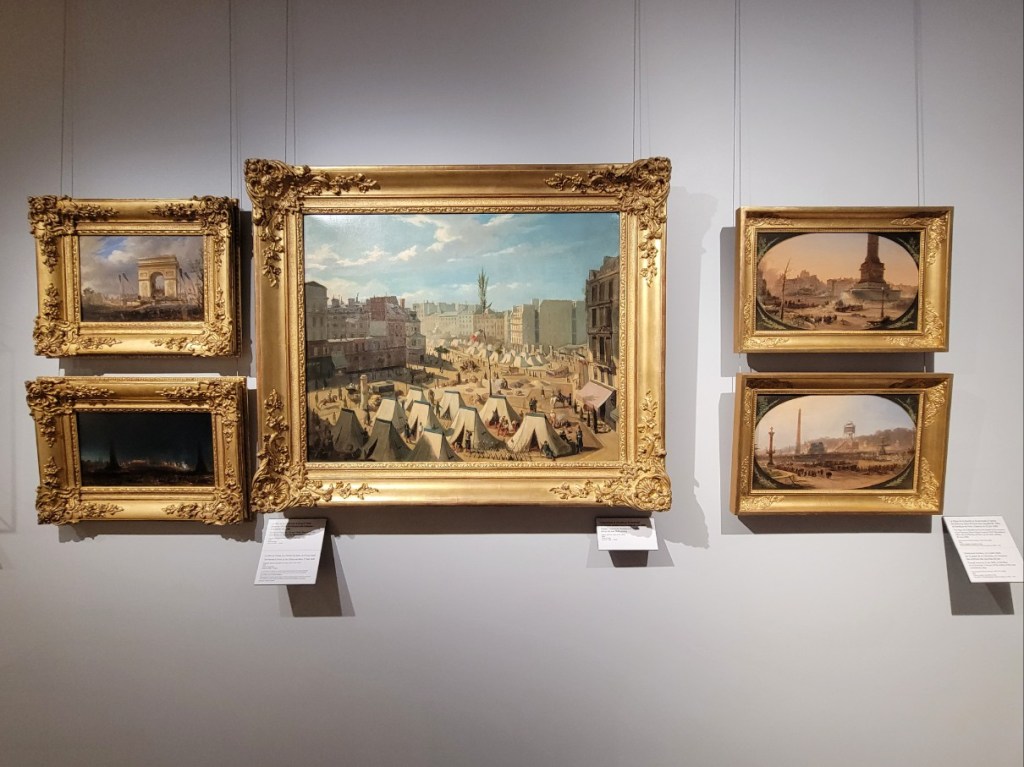
At the Musée Carnavalet, we were able to explore a vast collection of artifacts, artworks, and historical documents that vividly illustrate the rich tapestry of Parisian history. From ancient Roman settlements to medieval Paris, from the splendor of the Renaissance to the upheavals of the French Revolution, the museum chronicles the city’s diverse and vibrant past.


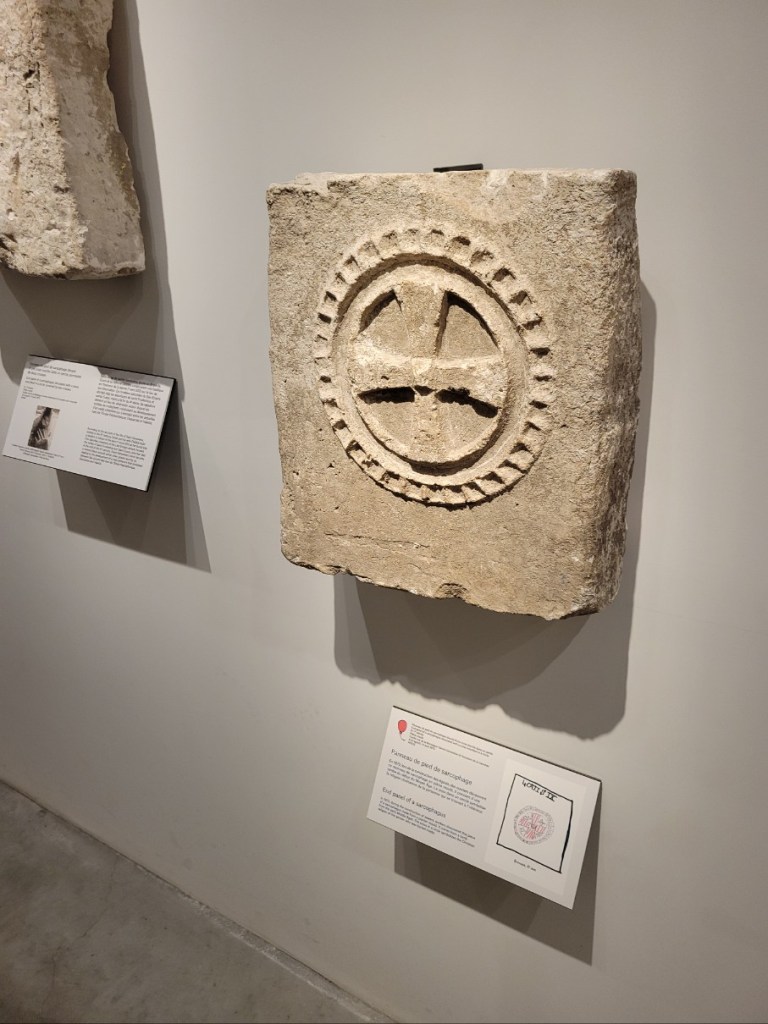


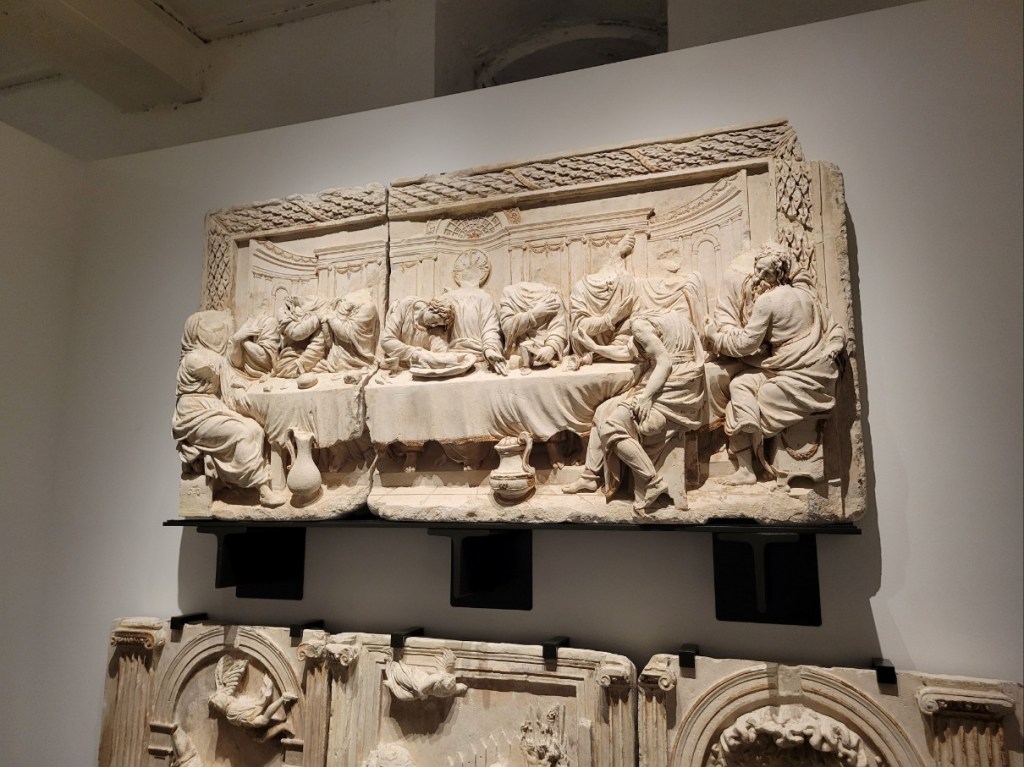
It was interesting to observe the artifacts and paintings that are from as early as the prehistorical era, far before the revolution. Many sculptures and paintings existed back then, and the museum was constructed to lead us into the 16th, 17th, and 18th centuries.
The Musée Carnavalet had an impressive array of paintings, sculptures, furniture, and decorative arts, providing further glimpses into the city’s cultural heritage. From iconic landmarks to lesser-known neighborhoods, the museum’s exhibits celebrate the people, places, and events that have shaped Paris into the beloved metropolis it is today.
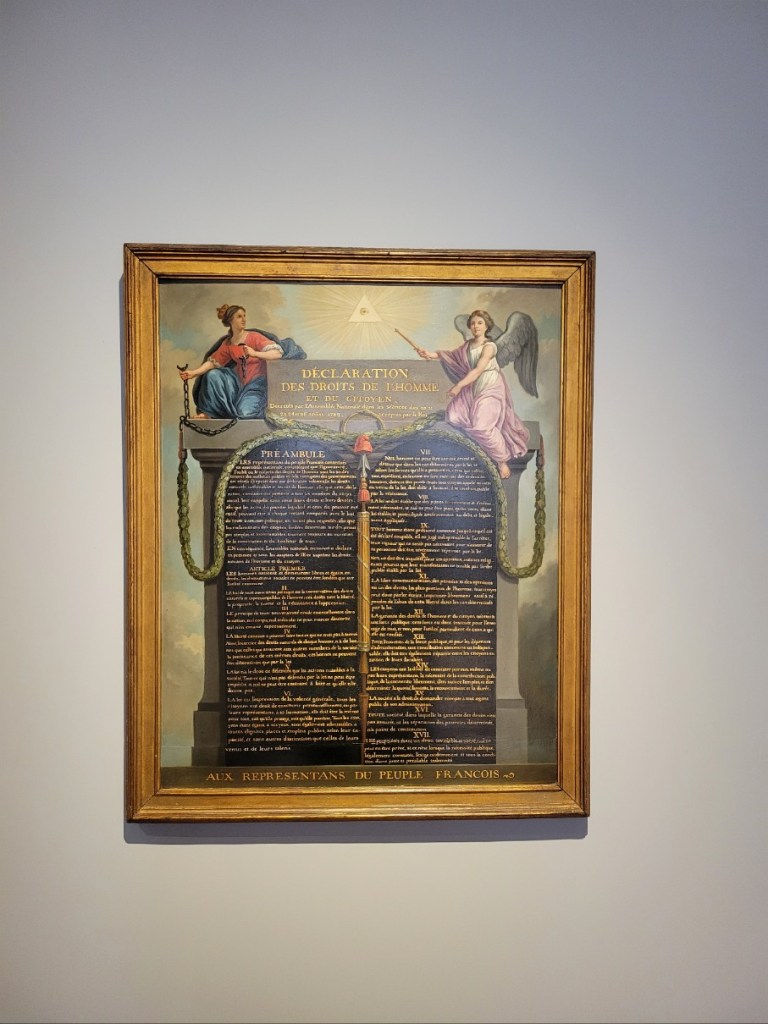

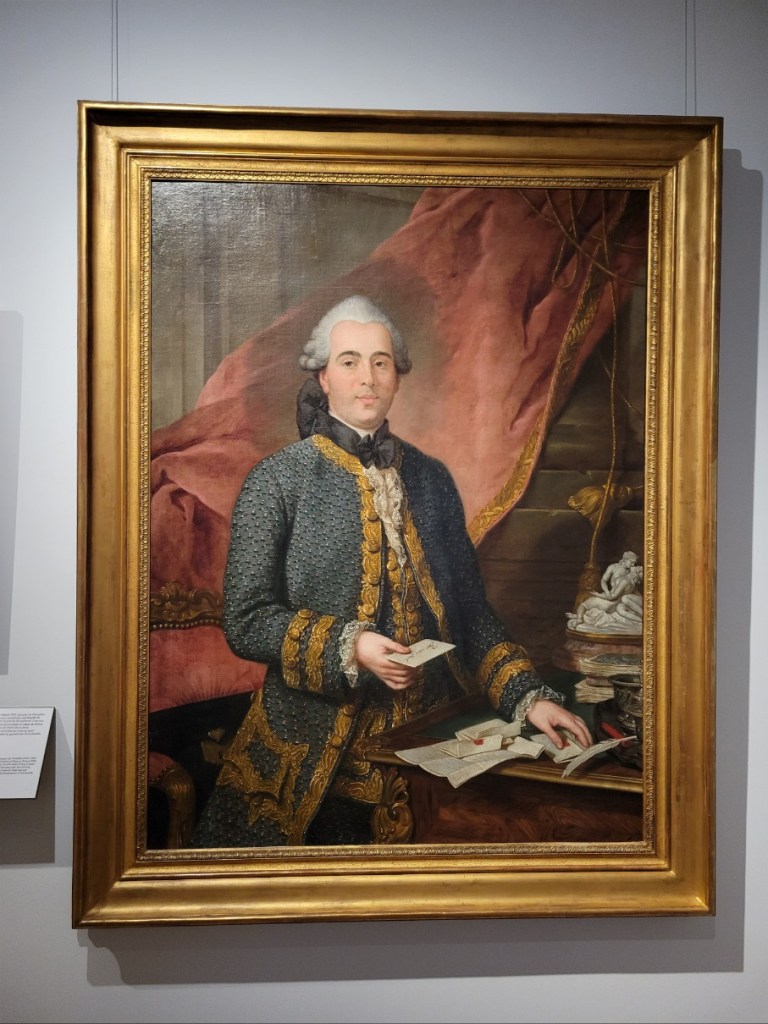
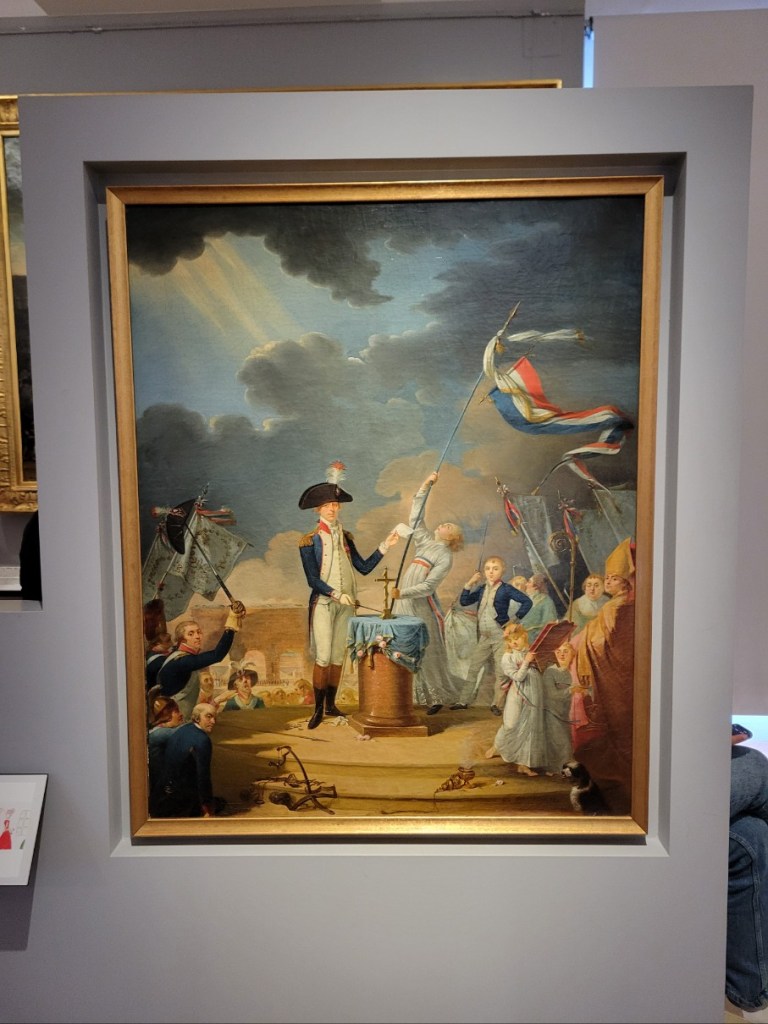
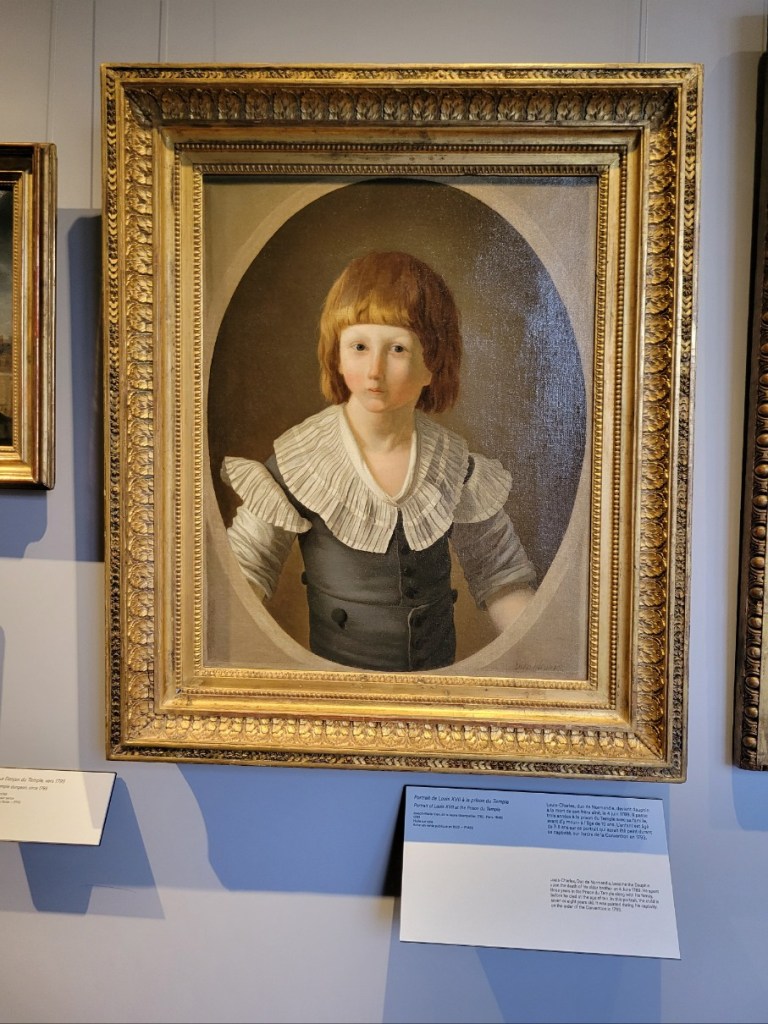
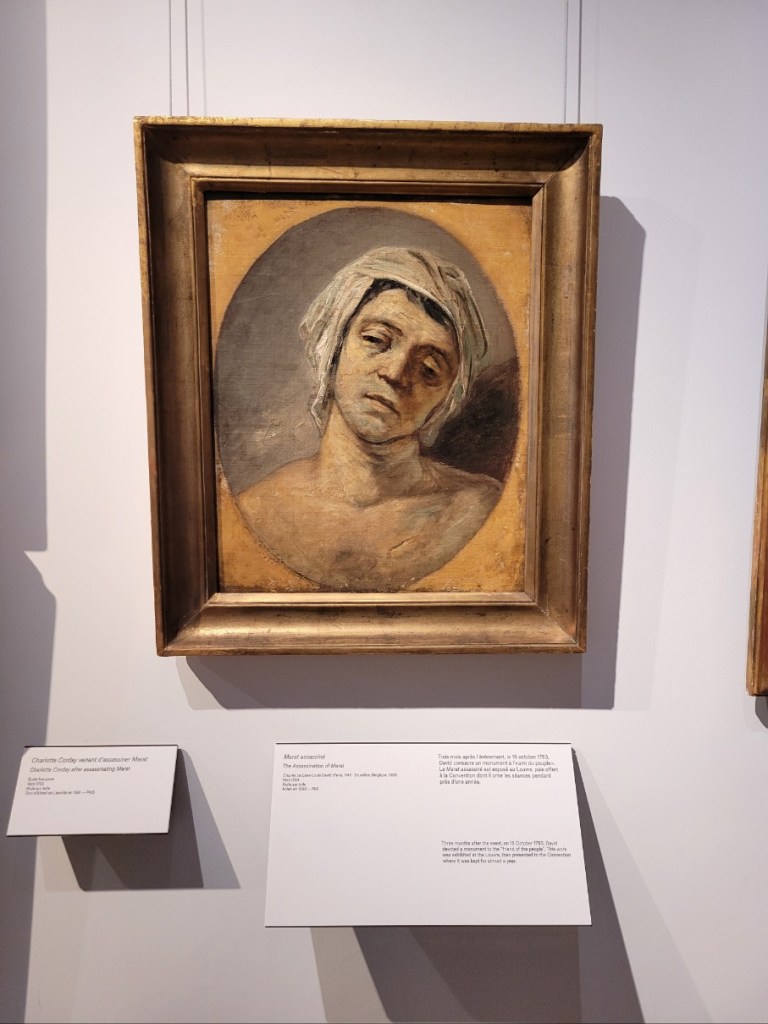
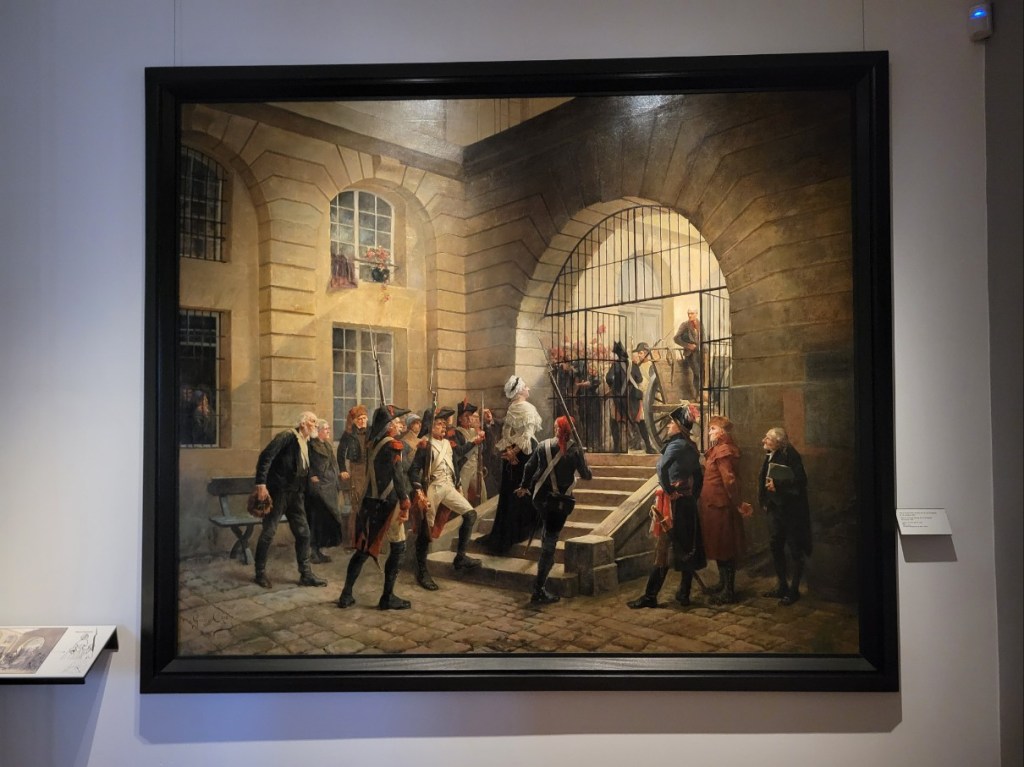




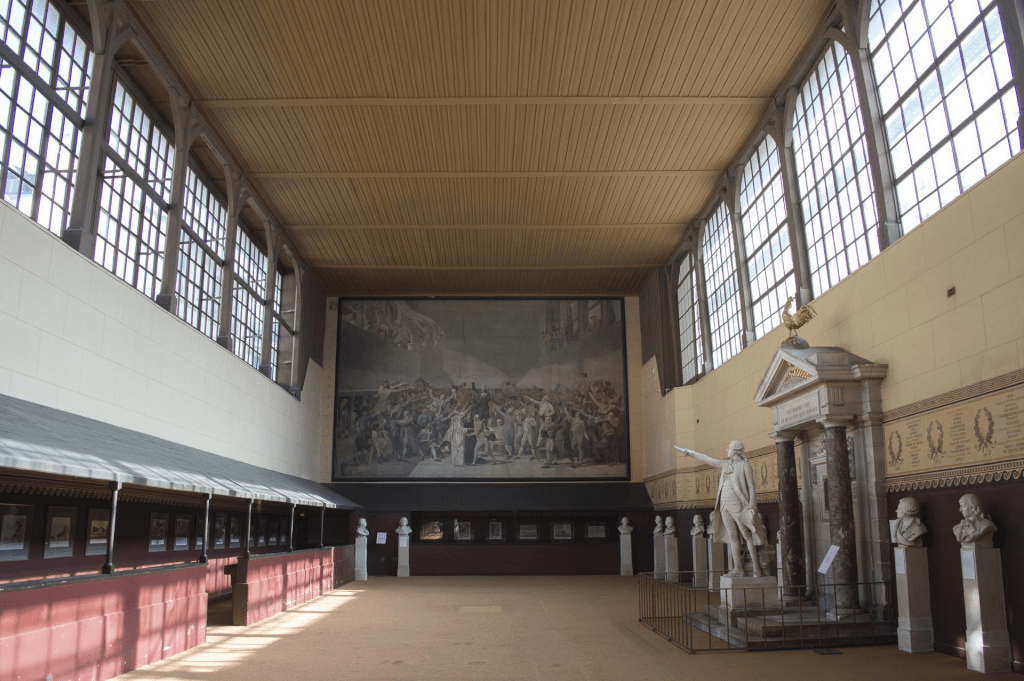
The Royal Tennis Court
Palace of Versailles
After the visit to the Versailles, we stopped by to see the exterior of the Royal Tennis Court. The Musée Carnavalet exhibited an explanation for such historical locations all across France.
On June 20th, 1789, the deputies of the National Assembly, prohibited from accessing their closed quarters by order of the kind, took refuge in a tennis court in Versailles and swore not to leave until they had drafted a constitution. They pledged not to disband until they had drafted a new constitution for France, one that would establish a fairer representation of the people and limit the power of the absolute monarchy.
The Tennis Court Oath marked a pivotal moment in the French Revolution, symbolizing the determination of the representatives of the Third Estate to challenge the authority of King Louis XVI and to assert the sovereignty of the people. The events at the Royal Tennis Court of Versailles galvanized public support for the revolutionary cause and set in motion a series of events that would ultimately lead to the downfall of the French monarchy and the establishment of the First French Republic.
Visiting the Musée Carnavalet in Paris was an experience that provided a fascinating glimpse into the overall history of this amazing city. One of the most intriguing aspects of the Museum was the opportunity to witness artifacts dating back to prehistorical times, providing a tangible connection to Paris’s distant past. As we progressed through the museum’s exhibits, we were transported through the centuries, encountering the splendor of the 16th, 17th, and 18th centuries.
Moreover, our visit to the Musée Carnavalet provided valuable context for understanding significant historical sites such as the Royal Tennis Court in Versailles. Learning about the pivotal events of June 20th, 1789, including the iconic Tennis Court Oath, underscored the enduring impact of the French Revolution on Parisian history.
The museum stands as a testament to the rich and complex history of Paris, offering visitors a captivating journey through the city’s past. By showcasing a diverse array of artifacts and artworks, the museum invites exploration and reflection, fostering a deeper appreciation for the cultural heritage that continues to shape Paris’s identity today.
 Revolutionary Cities