
Date of Visit: 05/07/2024
Author: Ommay Khyr
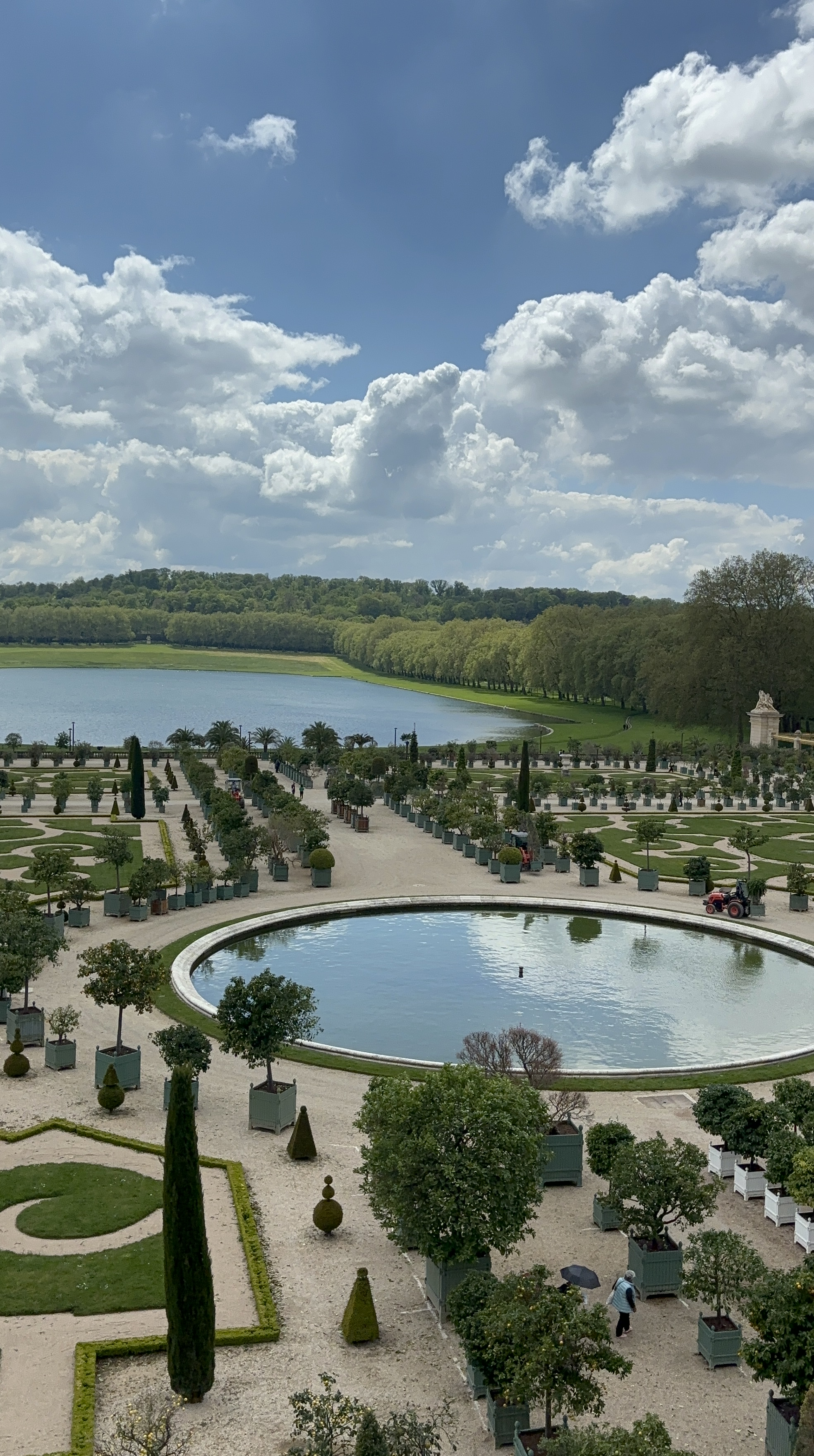
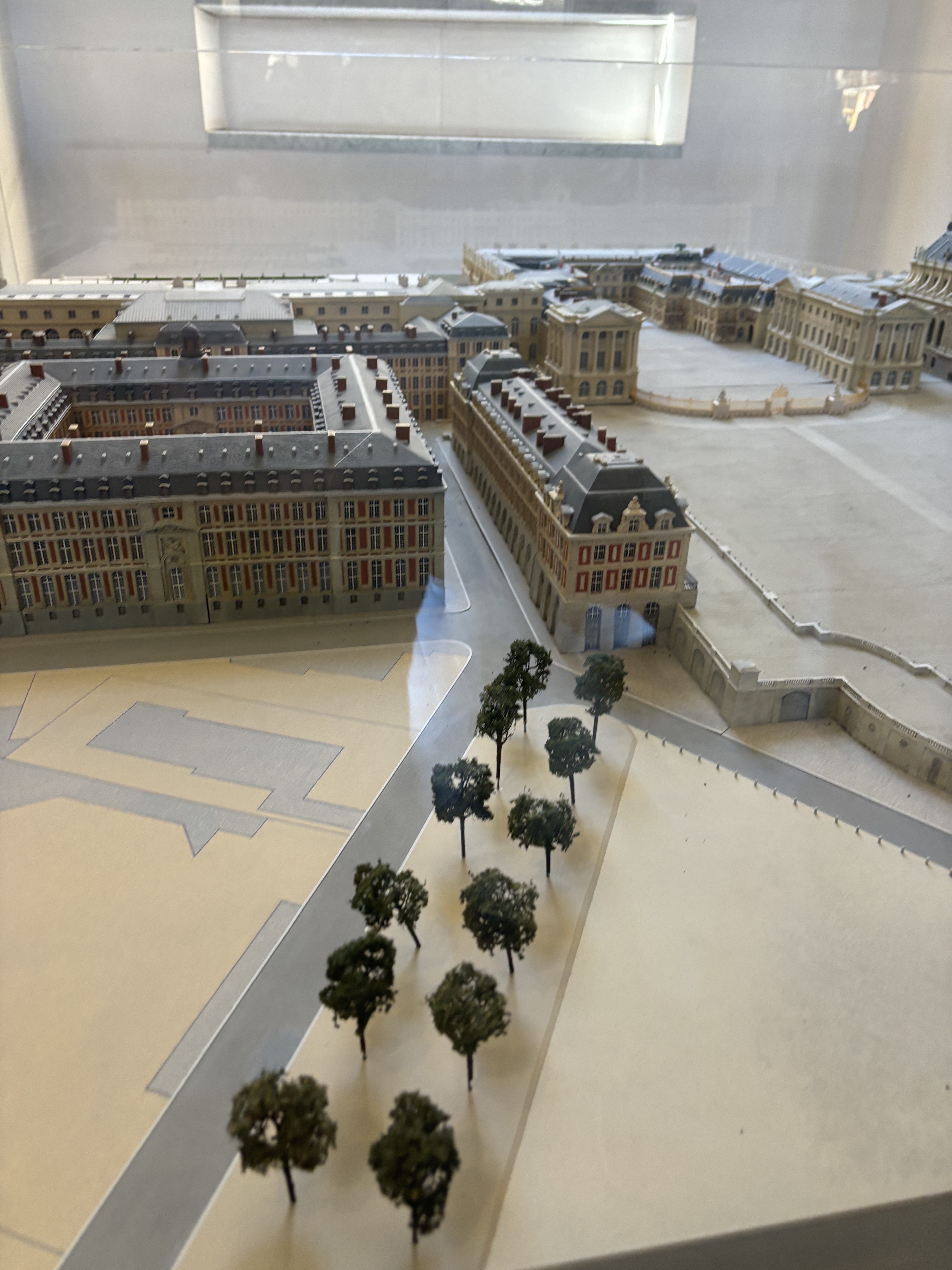
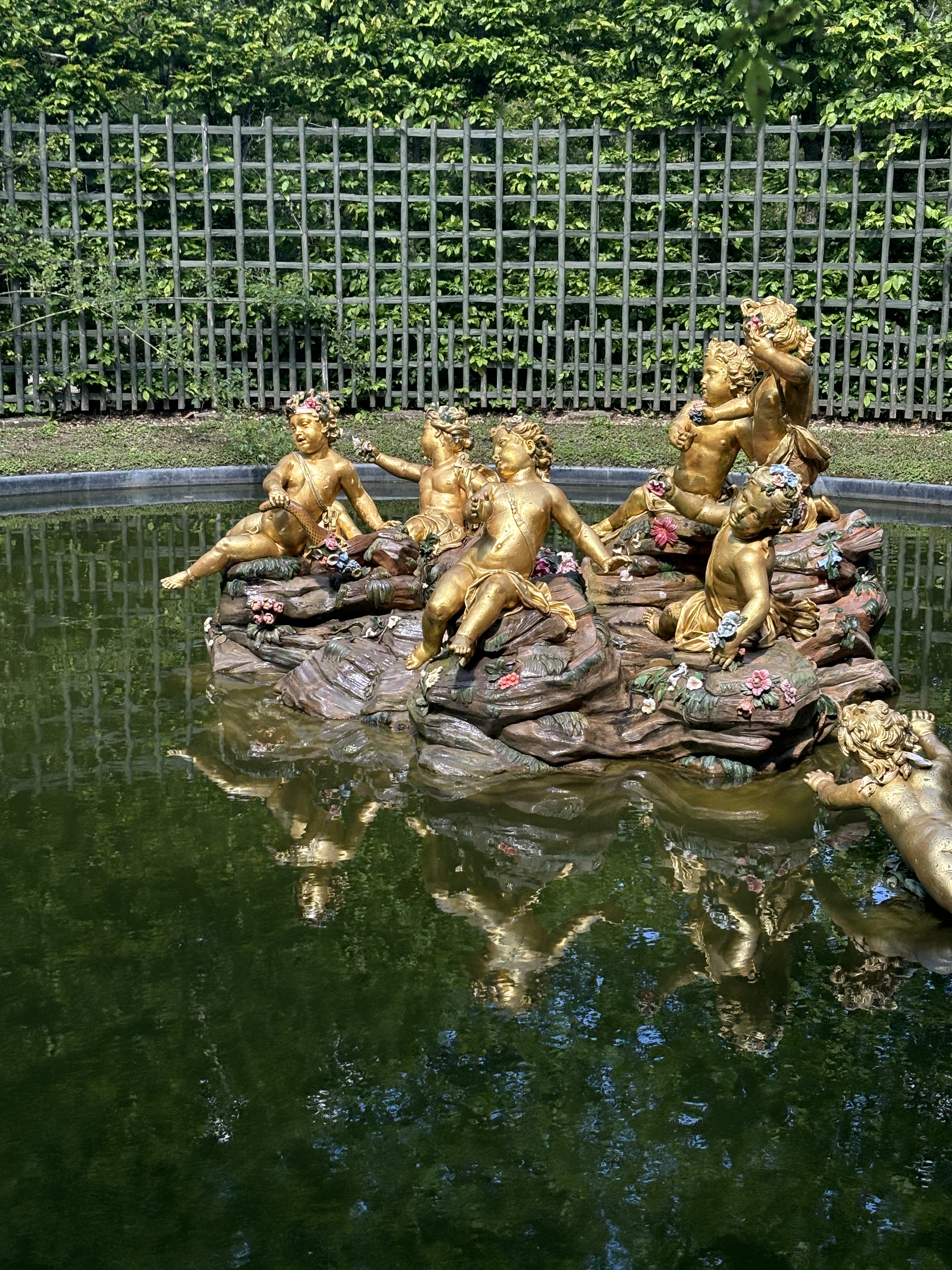
The people closed in on all sides of me and I was swept off my feet into another one of the numerous rooms present in the Château de Versailles. This grand palace had its humble roots as a Hunting lodge for Louis XIII (13).Construction on the Palace continued until Louis XIV’s time where it had become the largest palace in Europe. Louis XIV shifted his court to this palace. Eventually Louis the 16th reigned over it , but during 1789 the royal family had to leave. The room was the place where Louis XIV had his nighttime and morning ceremonies. This was probably the most crowded room that I had ever been in. After about 10 minutes, I was able to leave the room as the tide of people excited.Visiting the palace of Versailles was a perspective changing moment for me. In the palace, we first looked at the outside of the building. The building and different apartments, rooms, and gardens were marked by golden sculptures and architectural embellishments. The gardens were very large and it took us about 2 hours to walk through them. In these gardens there were large amounts of trees and bushes that decorated the estate, and numerous fountains with different Roman and Greek allegorical symbols on them and each item of furniture had intricate details to it.
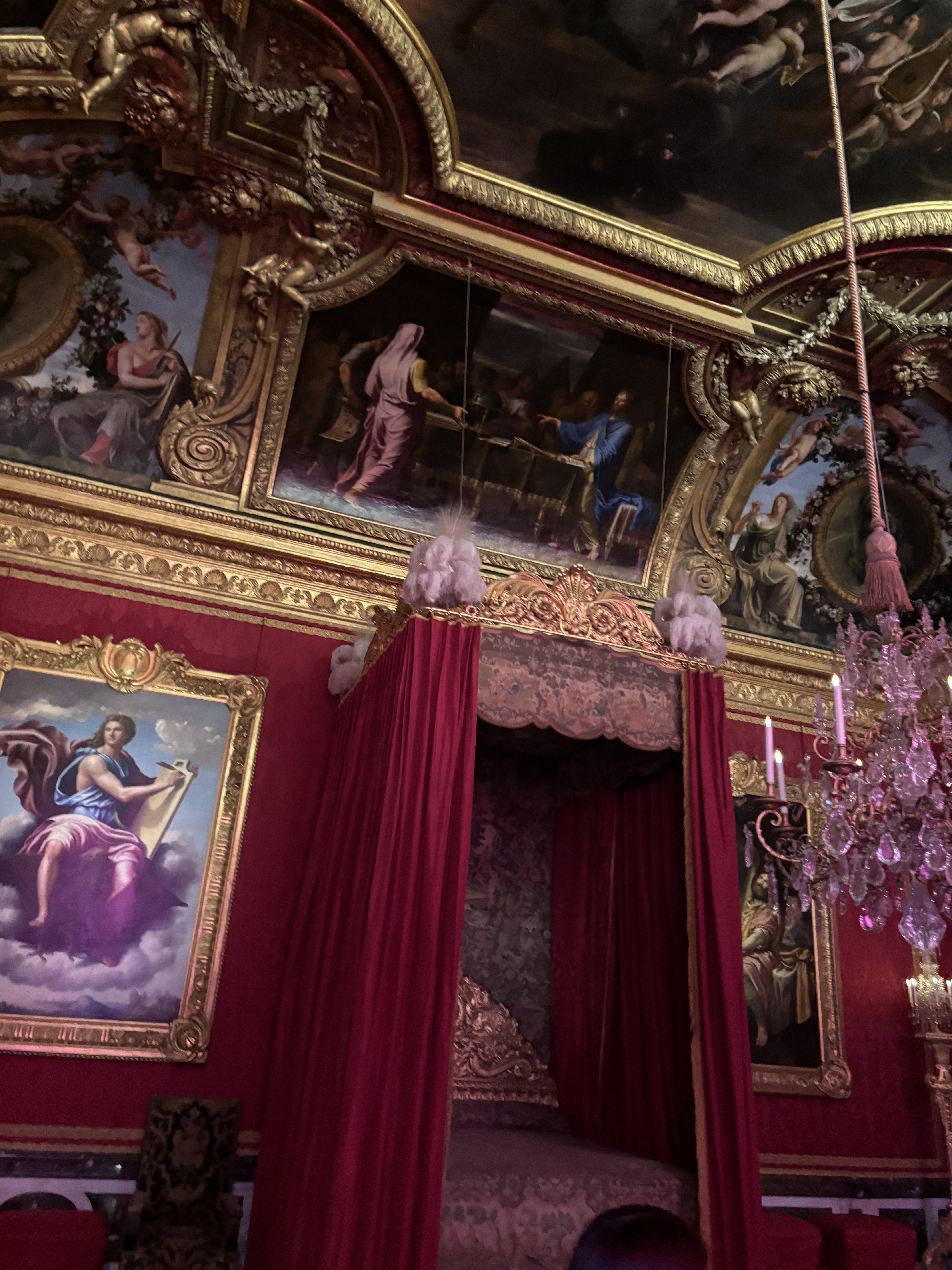
We watched One Nation, One King before visiting the palace, and it was still hard to understand the scale of the architecture and money that was put into the development and upkeep of the palace. In the movie that we watched, we learned about the strifes of the common people as they struggled with poverty and famine. Concurrently this enormous structure was being sustained by a king governing these people. Once we saw the scale of the palace and its numerous gardens, many classmates remarked that the revolution was understandable in these circumstances. The socioeconomic divide of the people was so apparent in this physical space that it seemed a revolution was inevitable. Another example of this idea occurred when we were walking back from the Palace to the metro station, we crossed by the place where the tennis court oath occurred on June 20th 1789. After seeing the grand palace with its endless rooms and corridors it was shocking to see where the king had afford space for these people to meet. During the tennis court oath, the people decided that they would continue meeting until they could establish a constitution that would govern them. The grandeur of the palace only solidified the ideas that enlightenment thinkers had been using in the justification of revolution. There was a social contract between the King and the people that he was governing and if he could not fulfill it, the people had the power to take back their governance. Each person’s life mattered as they fought for the struggles of life, liberty, and the idea of property ownership.
Now, thousands of people flock to this important piece of French history that spotlights social inequalities each day.

 Revolutionary Cities