
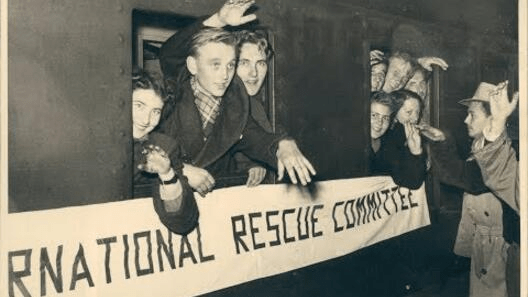
The Emergency Rescue Committee
A Netflix series Transatlantic tells the story of how Varian Fry and the Emergency Rescue Committee (ERC) helped thousands of refugees flee France during World War II. We started watching the film together as a class. Honestly, I was not sure what to expect from the class screening, but after watching the first episode, I was extremely intrigued to observe the missions the ERC executed in order to save the lives of people they weren’t even related to.
After finishing a few additional episodes of Transatlantic, I felt compelled to research more about the organization and how it eventually evolved into the International Rescue Committee today. They have continued to support people facing conflict and crisis around the world for the past 90 years.
In the beginning, in 1933, the American branch of the European-based International Relief Association (IRA) was founded at the suggestion of Albert Einstein to assist Germans suffering under Hitler. Refugees from Mussolini’s Italy and Franco’s Spain were later assisted. In 1940, the Emergency Rescue Committee (ERC) was formed to support European refugees trapped in Vichy France, saving over 2,000 political, cultural, union, and academic leaders in a year. Later, IRA and ERC joined forces under the name International Rescue Committee.
Varian Fry was a key figure in the Emergency Rescue Committee, as we see as a main character in the show. He traveled to Europe in 1940 as the ERC’s representative and worked to assist refugees in escaping Nazi persecution. Fry and his colleagues helped rescue and evacuate hundreds of artists, intellectuals, and political dissidents, including many prominent figures.
Similar to what we see in the show, many sponsors like Mary Jane Gold, and the British secret spy movement supported the work of this organization, further strengthening their work and influence around the world. With their team, IRC saved millions of lives, providing them shelter, food, and eventually visas to flee the continent.
I believe that because of organizations like the Emergency Rescue Committee, we are able to preserve these histories and heritage of kindness amidst the violence happening around the world. The survivors speak of what they overcame and remind us to prevent further political conflicts and calamity.
The Emergency Rescue Committee stands as a testament to the power of humanitarian action in the face of oppression and genocide. Its members demonstrated courage, compassion, and solidarity in their efforts to rescue and support those in need during one of the darkest periods in human history.
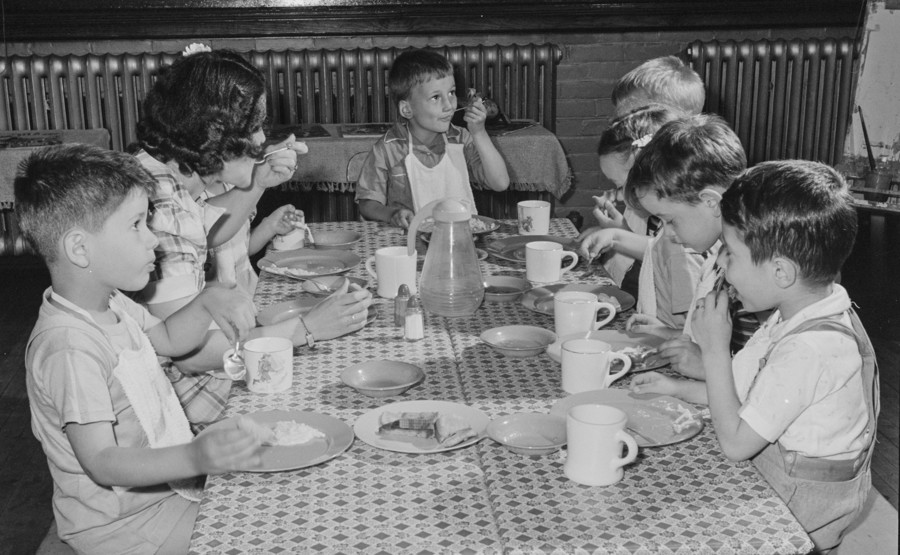
OSE (Children’s Aid Society)
Another organization that fought for peace and survival during wartime is the OSE, or Oeuvre de Secours aux Enfants (Children’s Aid Society). This community specifically had missions for saving children, reaching out to help children and families affected by the war, both domestically and internationally.
The organization was first founded in Russia in 1912 by Jewish doctors and intellectuals with a history of providing aid to Jewish families in need. During the war, it operated fourteen children’s homes throughout France to save Jewish children from internment and deportation to killing centers. OSE homes were staffed by professionals who had lost their positions under Nazi policy. Later, in total, the OSE rescued nearly 5,000 children during World War II by placing them in homes and by taking them across neutral borders such as those of Switzerland and Spain.
As an international organization, the OSE moved its headquarters several times to avoid persecution in Nazi Germany, especially during the summer of 1942 when roundups within Vichy increased. For the first time during World War II, children and adolescents were being arrested within France. French officials were more likely to deport children along with their families under a policy decreed by Pierre Laval that called for keeping family units intact. Desperate to protect their children, parents entrusted them to the OSE in order to save them from deportation. Along with organizations like the Emergency Rescue Committee, OSE facilitated the evacuation and resettlement of children from war-torn areas to safer locations. They worked to transport children away from danger zones and place them with foster families or in temporary shelters until the war ended.
Apart from saving children from being taken away to concentration camps, the OSE provided financial and domestic assistance to families affected by the war. They offered emergency relief services, such as food assistance, clothing, and housing support, to families struggling to make ends meet during the war.
Although the OSE closed the remaining homes before the end of World War II, the organization supported refugee children who were liberated from concentration camps at the war’s end. Today, the Children’s Aid Society continues to uphold its mission of serving children and families in need, guided by the belief that every child deserves the opportunity to thrive and succeed, regardless of their circumstances.

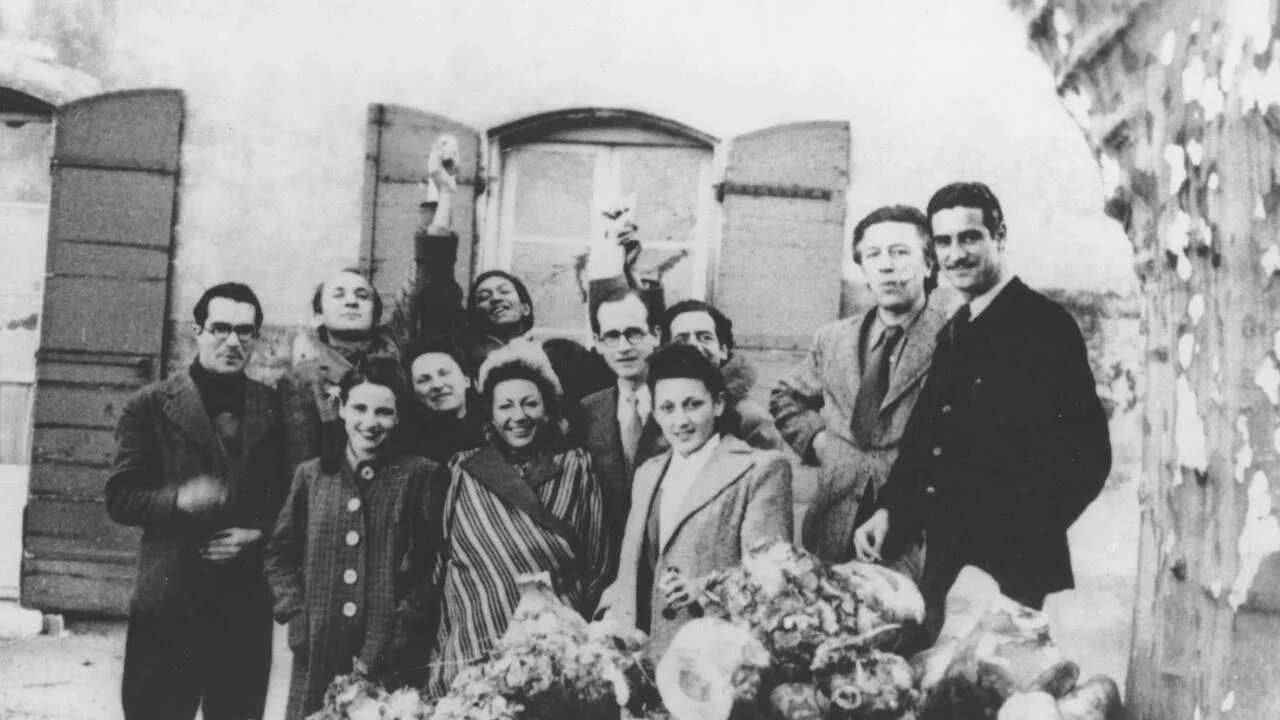
Learning about aforementioned organization, the content evoked a profound admiration and appreciation for the selfless efforts of these organizations during one of the darkest periods in human history.
As I can easily recognize in the show Transatlantic, the Emergency Rescue Committee’s daring and courageous actions to rescue thousands of refugees fleeing Nazi persecution in Europe exemplify the power of collective action and compassion in the face of oppression. Led by figures like Varian Fry, the ERC operated secretly, defying bureaucratic barriers and risking personal safety to save lives. The stories of their missions serve as a reminder of the resilience and bravery of those who stood up against injustice.
Similarly, the OSE’s commitment to saving Jewish children from internment and deportation during World War II demonstrates the profound impact of fundamental efforts in times of crisis. Clearly, the OSE provided vital support to vulnerable children and families, operating homes and providing essential services amidst the chaos of war. Their dedication to preserving lives and safeguarding the future of young refugees is a testament to the enduring power of hope and resilience.
As I reflect on the content related to these organizations, I am struck by the profound significance of their actions in fights against the violence and for peace and safety of people. In an era marked by uncertainty and conflict, the legacies of the ERC and OSE inspire us to stand up for what is right and to extend a helping hand to those in need, regardless of the challenges we may face.
 Revolutionary Cities