
For whom should our institutions be built? Who should they ultimately serve? These questions were at the forefront of student’s minds during May ‘68 and were ones that I could not ignore as I stared down the cobblestone streets of the Latin Quarter. Only a few decades prior, students raised these stones at the Sorbonne to build barricades against police—the physical space of the road being crafted into a tool of resistance. Students, joined by teachers and workers, took revolutionary theory into action. But why?
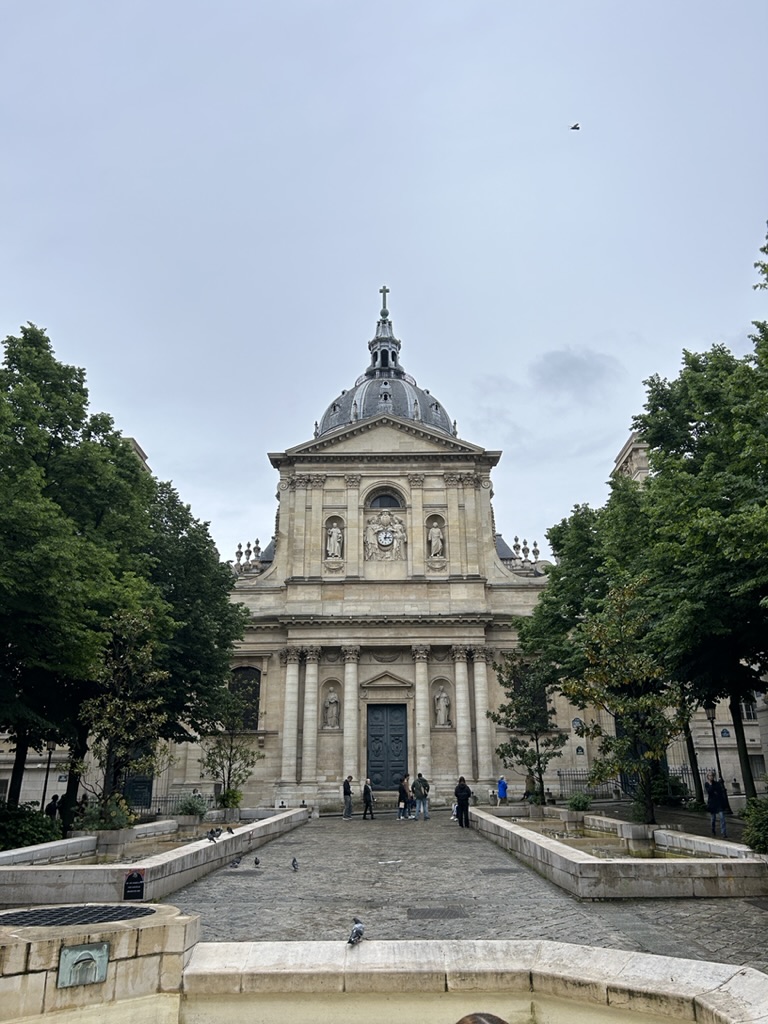
In May ‘68 the role of the academic institution under the influence of capitalism was called into question. Should the goal of education be to reinforce bourgeoise power structures by creating an educated elite or a docile working class? Or should students and professors be given the autonomy to shape the goals of their educational institutions without the looming consideration of profits under capitalism? In our readings, Nairn poses this scenario as he describes why the students resisted the bourgeois influence on their academic institutions. This struck me to reflect upon my understanding of academia and the purpose of educational institutions.
Being a transfer student from a large public university to Vanderbilt, I have been acutely aware of the immense privilege that comes with access to higher education, especially at elite universities with extensive resources and opportunities. With this privilege, however, comes the obligation to critically reflect upon the role of my university and its purpose as an academic institution.
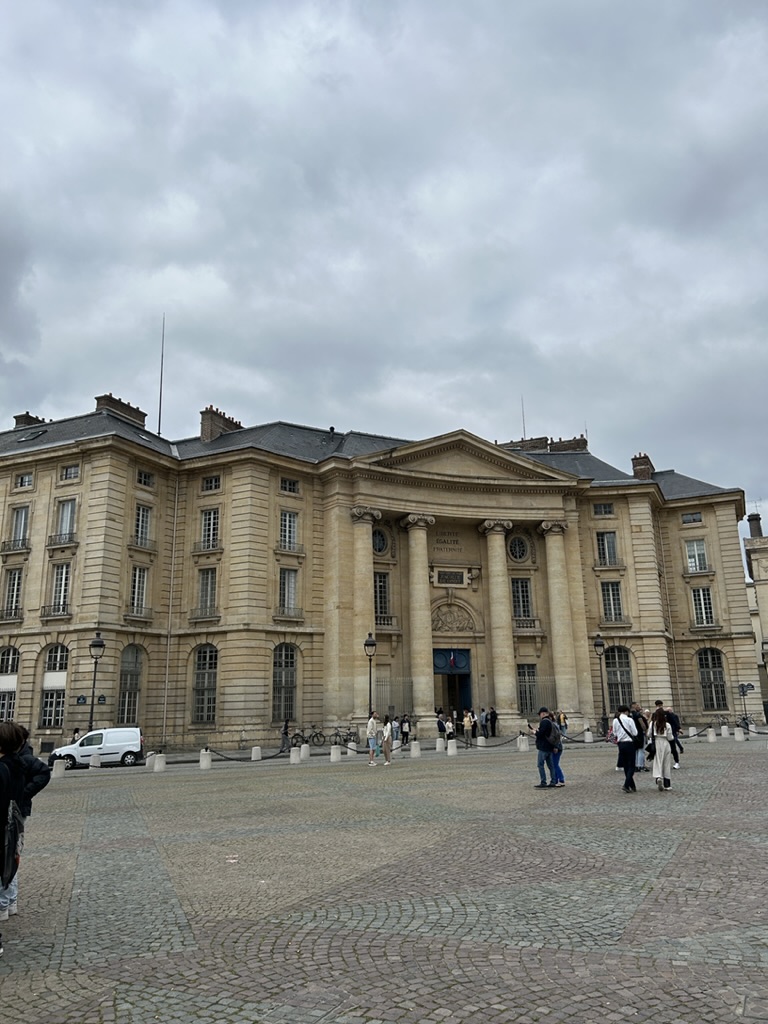
This obligation follows from the sentiments shared by the students of May ‘68, who saw their struggle as fundamentally intertwined with that of the working class. A social institution that upholds the economic system of capitalism reinforces the oppression of the working class. In the case of educational institutions, students and academics are indexed by profitability rather than academic pursuit. However, this phenomenon within educational institutions should be understood as a symptom of a greater class antagonism that ultimately restricts higher education from the working class as a tool of economic oppression and subjugation.
Although Vanderbilt has attempted to promote economic inclusivity by expanding its financial aid opportunities, the economic demographics of the university’s student population indicate that this job is far from finished. In learning from the motivations of May ‘68, I believe it is crucial to mobilize my educational resources and opportunities to reimagine a more equitable university that serves the interests of all people across class divisions. Promoting economic inclusivity in admissions is but one small piece of this project. Ultimately, the task of reconceptualizing institutions is a collective one. Therefore, equity will only be achieved through a collective imagination.
 Revolutionary Cities