

Today’s France: A Reflection of the Land of Refuge and Land of Exile
France once known as the land of refuge and exile, a sanctuary for those fleeing turmoil and a haven for diverse cultures to meld. Walking through the bustling streets of Paris or the serene countryside of Provence, you can see the imprints of this rich, multicultural history. France’s colonial past and its welcoming arms to immigrants from around the globe have created a tapestry of diversity that is visible in its people, cuisine, and art.
Strolling through the vibrant neighborhoods of Paris, I could feel the multicultural essence of France. My Amazing Teaching Assistant, An, exemplifies this blend of cultures. An, with her Vietnamese heritage and French upbringing, is a microcosm of the broader French society. France’s colonial history, particularly in Southeast Asia and Africa, has brought people from Vietnam, Algeria, Morocco, and many other regions to its shores. These communities have settled and thrived, contributing to the rich mosaic of French life.

This diversity wasn’t always achieved by welcoming foreigners, and French colonialism and slavery are big contributors. France’s involvement in Egypt during the late 18th century under Napoleon Bonaparte and its colonial endeavors in Africa have had lasting impacts. The French invasion of Egypt in 1798 not only brought French scholars and soldiers into contact with Egyptian culture but also set the stage for significant cultural exchanges. Additionally, France’s participation in the transatlantic slave trade and its colonial rule in the Caribbean and West Africa brought African slaves and their descendants to French territories. These historical events have left an indelible mark on the cultural and demographic landscape of the nation.
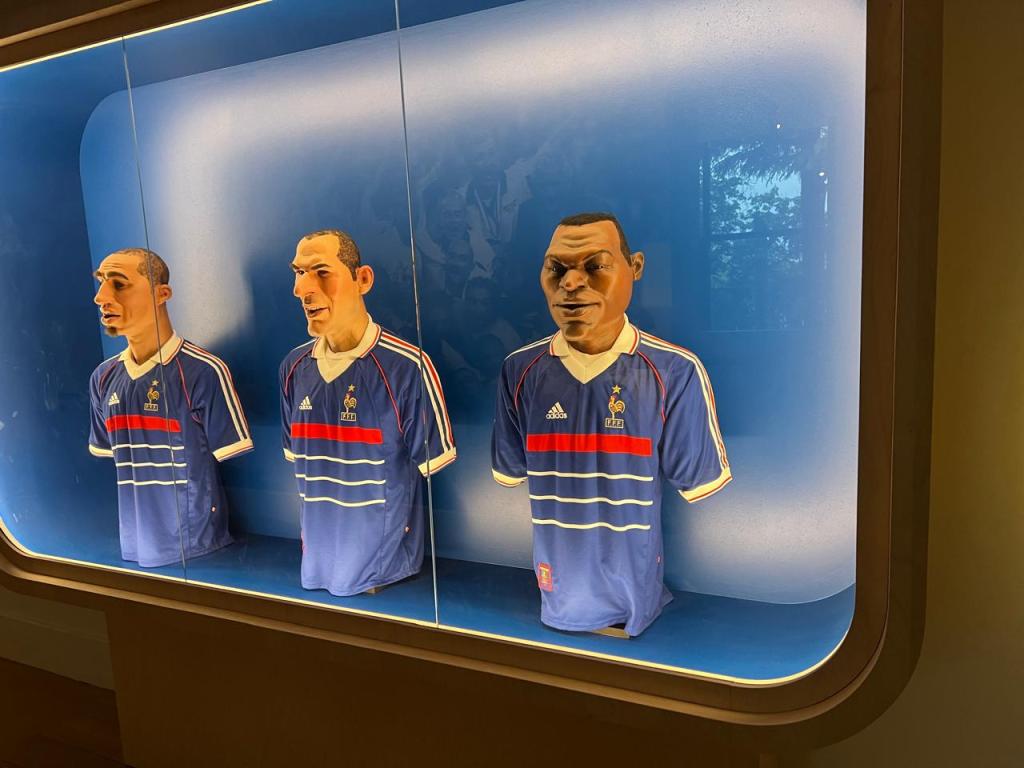
On the metro or in cafes, you encounter individuals of mixed ethnicities and diverse backgrounds. This diversity is not just a byproduct of recent immigration but a testament to centuries of migration driven by exile, slavery, or colonialism. From the Caribbean to West Africa, and from the Middle East to Southeast Asia, each community brings its unique traditions and cultural heritage, blending seamlessly into the fabric of French society.
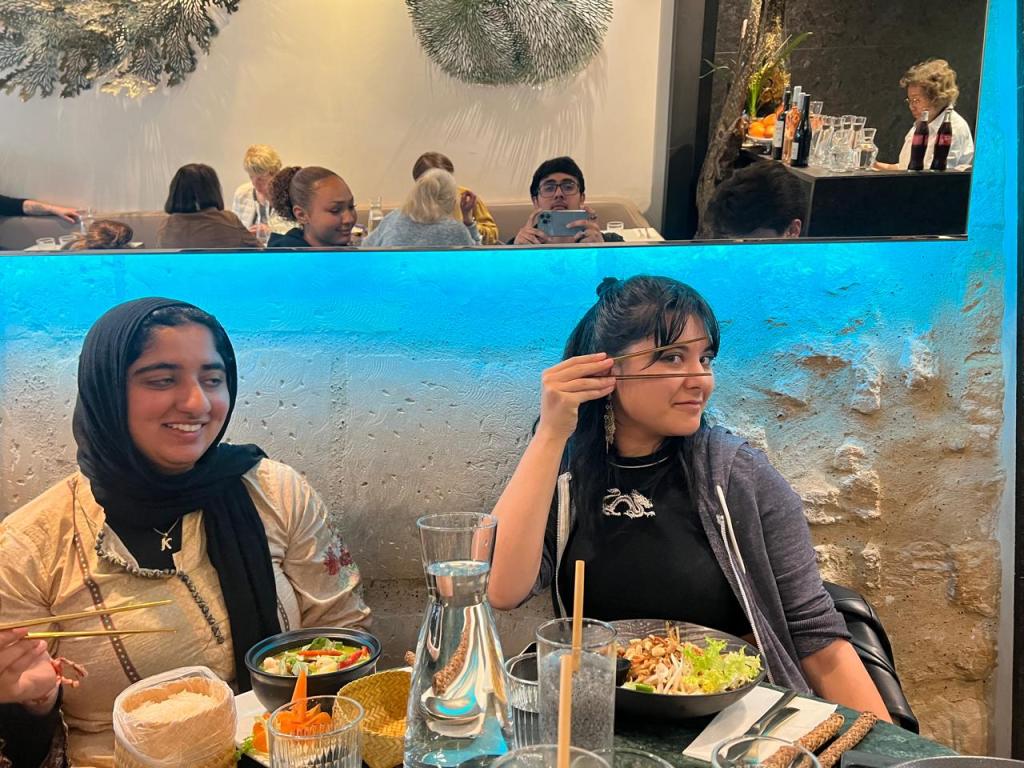
One of the most delightful aspects of this cultural amalgamation is the cuisine. French food is renowned worldwide, but it’s the infusion of global flavors that makes dining in France a unique experience. Walking through the markets, you find stalls selling couscous from North Africa, Vietnamese food, and accras from the Caribbean. These dishes, once foreign, have been embraced and adapted, becoming integral to the French culinary landscape.
Dining at a typical Parisian bistro, you might savor a dish that combines traditional French techniques with exotic ingredients and spices. A classic coq au vin might be infused with a touch of Moroccan saffron, or a baguette enjoyed with a spread of Lebanese hummus. This fusion of flavors reflects the cultural exchange that has taken place over centuries, making every meal a testament to France’s history as a land of refuge and exile.
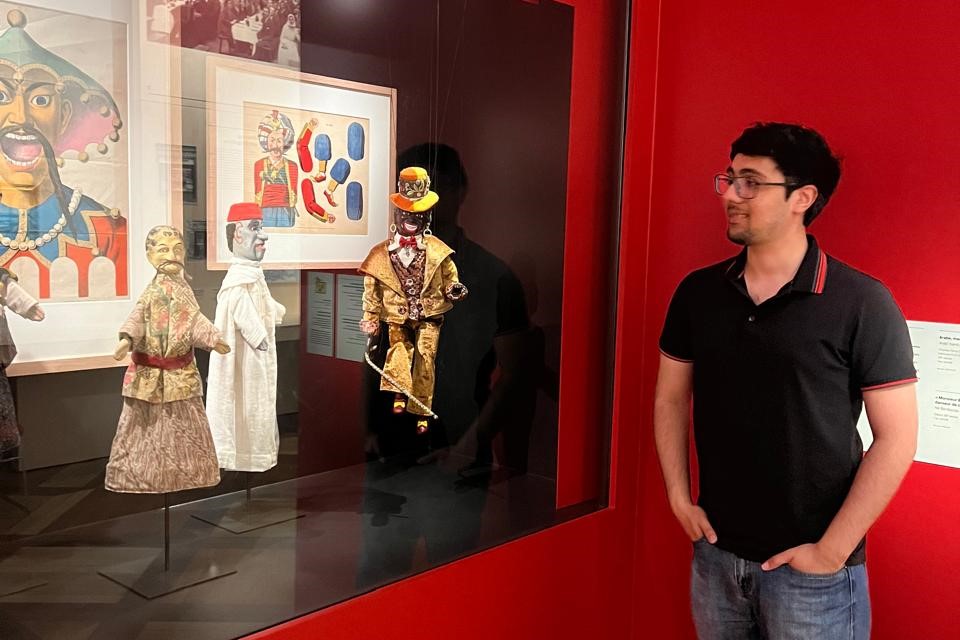
France’s art is another mirror of its multicultural identity. Museums across the country showcase works or contain exhibits that reflect the diverse influences that have shaped French culture. Across multiple museums, I’ve encountered art pieces or artifacts that draw from African, Asian, and Middle Eastern traditions, a nice contrast to the classical European culture, something that is uniquely French.

France today is a testament to its history as a land of refuge and exile. The faces you see on the streets, the flavors you taste in its cuisine, and the art and artifacts that fill its museums all tell the story of a nation that has been shaped by the influx of diverse cultures. This diversity is not just a part of France’s past; it is very much a part of its present and future. It is a living, breathing example of how different cultures can come together to create a richer, more vibrant society.
As I reflect on my experiences and interactions, like those with my TA An, I am reminded of the beauty of this multicultural tapestry. France, with its welcoming spirit and ability to integrate and celebrate diversity, truly stands as a modern reflection of its legacy as a land of refuge and land of exile.
 Revolutionary Cities