
In contrast to many of our other site visits in Paris like the Louvre and National Assembly, the Musée de l’Histoire de l’Immigration in Paris provides a poignant insight into how immigration has shaped the social fabric of France, particularly in relation to class divisions and the development of revolutionary attitudes. This museum, largely dedicated to celebrating the contributions and experiences of immigrants, serves as a lens through which we can examine the broader historical forces that have influenced societal structures and sparked revolutionary changes within France.
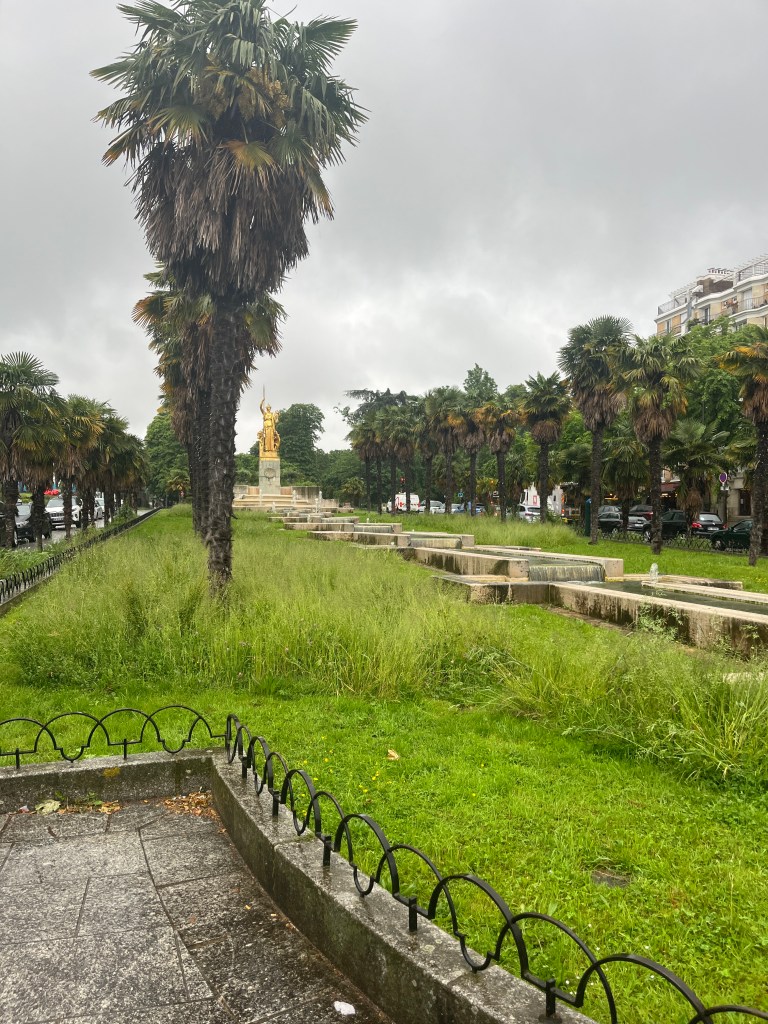
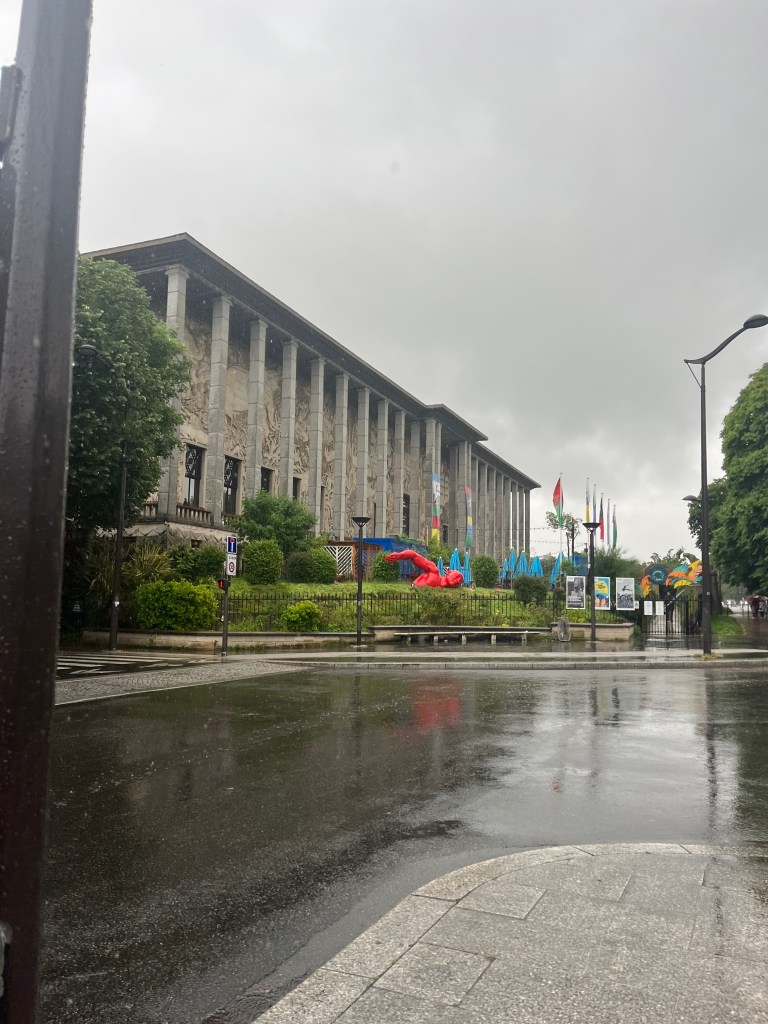
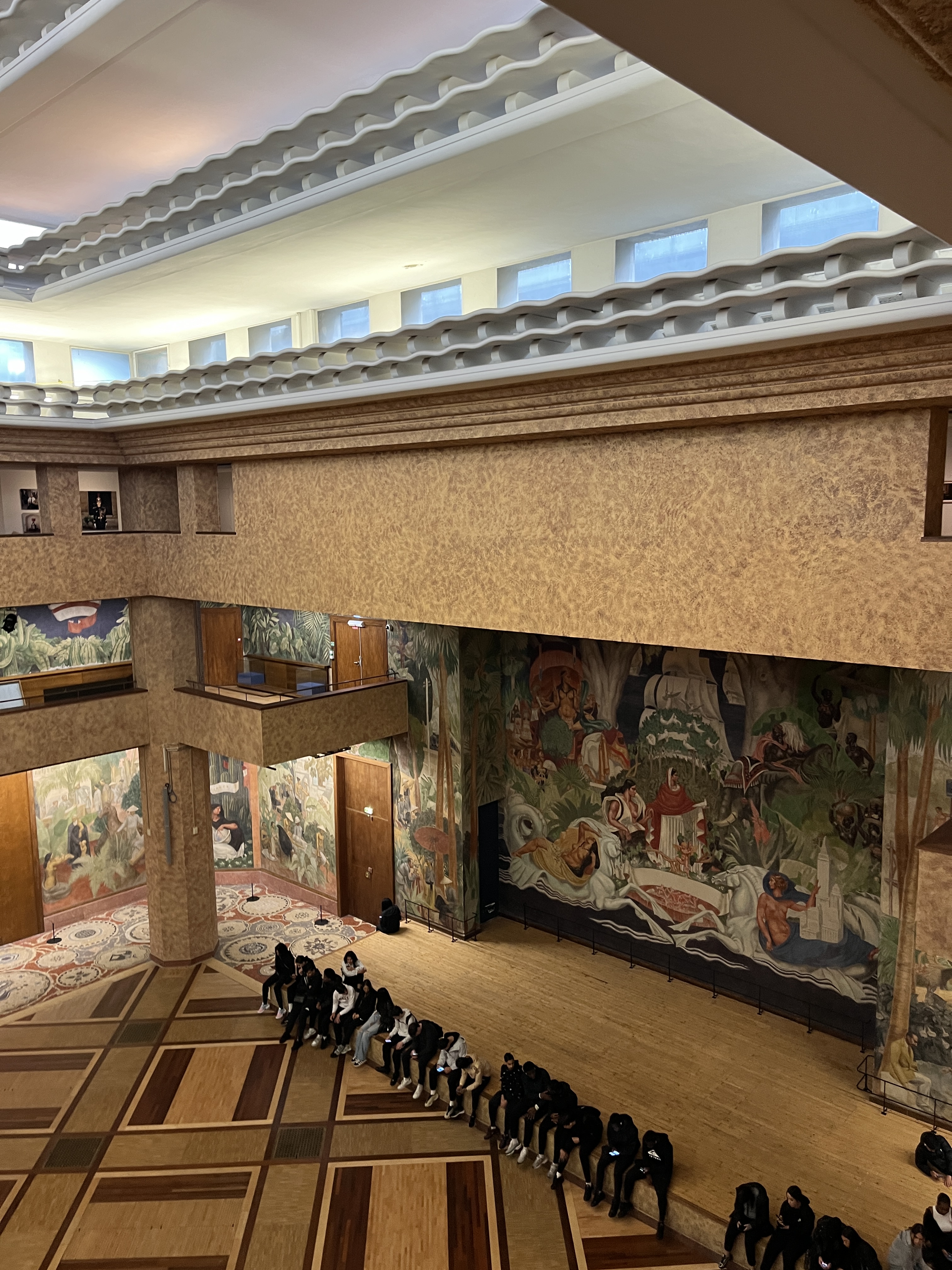
Even the location of the Musée de l’Histoire de l’Immigration held significant symbolism and value given its history and role exhibiting France’s colonial power on the global stage, literally showing its military and imperial prowess to the world. The building and surrounding parks, in fact, are remnants of this this demonstration and remind me of how other historic sites across Paris have been transformed to best fit the modern needs of its people. Instead of grand palaces to history museums, however, the Musée de l’Histoire de l’Immigration signifies the transition from global colonialism to public education.
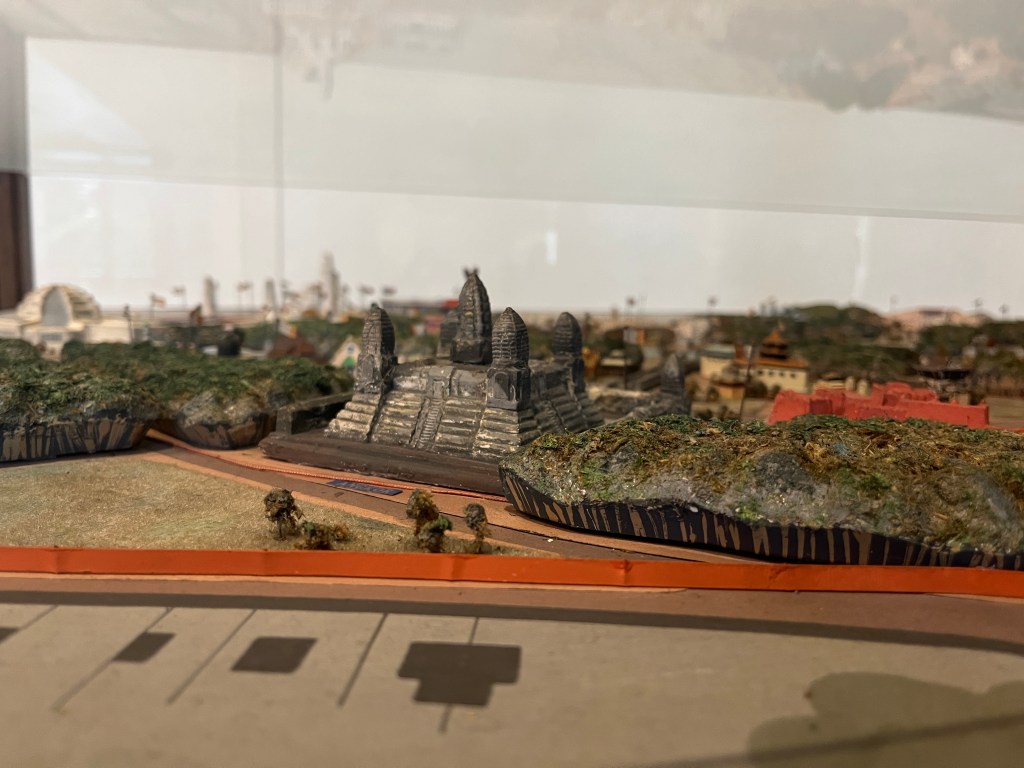
As I explored the exhibits, I was struck by the narratives of immigrants who, over the centuries, have come to France seeking better lives, only to often find themselves marginalized and relegated to the lower strata of society. This pattern of migration and marginalization is not unique to the modern era but is a historical constant that has profound implications for understanding the class dynamics that fueled the French Revolution. In fact, during the ancien régime, France’s social hierarchy was rigidly divided into estates, with the majority of the population, comprising peasants and urban laborers, forming the Third Estate. Many in this estate were migrants from the countryside or other parts of Europe, drawn to cities like Paris by the promise of employment and a better life. However, instead of finding opportunity, they often encountered exploitation and abject poverty. William Doyle’s “The French Revolution: A Very Short Introduction” provides context here, illustrating how dire economic conditions, exacerbated by failed harvests and food shortages, deepened class divides and heightened revolutionary sentiments.
The Musée de l’Histoire de l’Immigration poignantly displays how these economic hardships were not evenly distributed but were keenly felt by the lower classes, many of whom were recent immigrants or their descendants. These communities experienced the brunt of economic and social policies that favored the elite. The museum’s exhibits about labor and living conditions vividly illustrate the stark contrast between the opulent lifestyles of the aristocracy and the struggling masses. And Sewell’s “Historical Events as Transformations of Structures” offers a useful framework to analyze how these conditions led to a revolutionary breaking point. The festering resentments against systemic inequalities and the collective suffering of the lower classes created conditions ripe for radical change. The structural dislocation discussed by Sewell was catalyzed by the convergence of economic crisis and a politically awakened populace, who began to see their struggles as interconnected and indicative of systemic failure rather than individual misfortune.
As I walked through sections of the museum that detailed popular uprisings and protests, it became evident that immigration contributed to a complex class consciousness that underpinned revolutionary fervor. The diversity of the Third Estate, enriched by various immigrant experiences, became a strength that allowed for a wide range of ideas and grievances to coalesce into a broader demand for systemic change. The emotion tied to these revolutionary movements, highlighted by Sewell as a driving force, was palpable in the personal stories and artifacts displayed in the museum. The emotional resonance of shared struggles and hopes created a collective identity that transcended individual backgrounds and empowered the Third Estate to challenge the existing order.
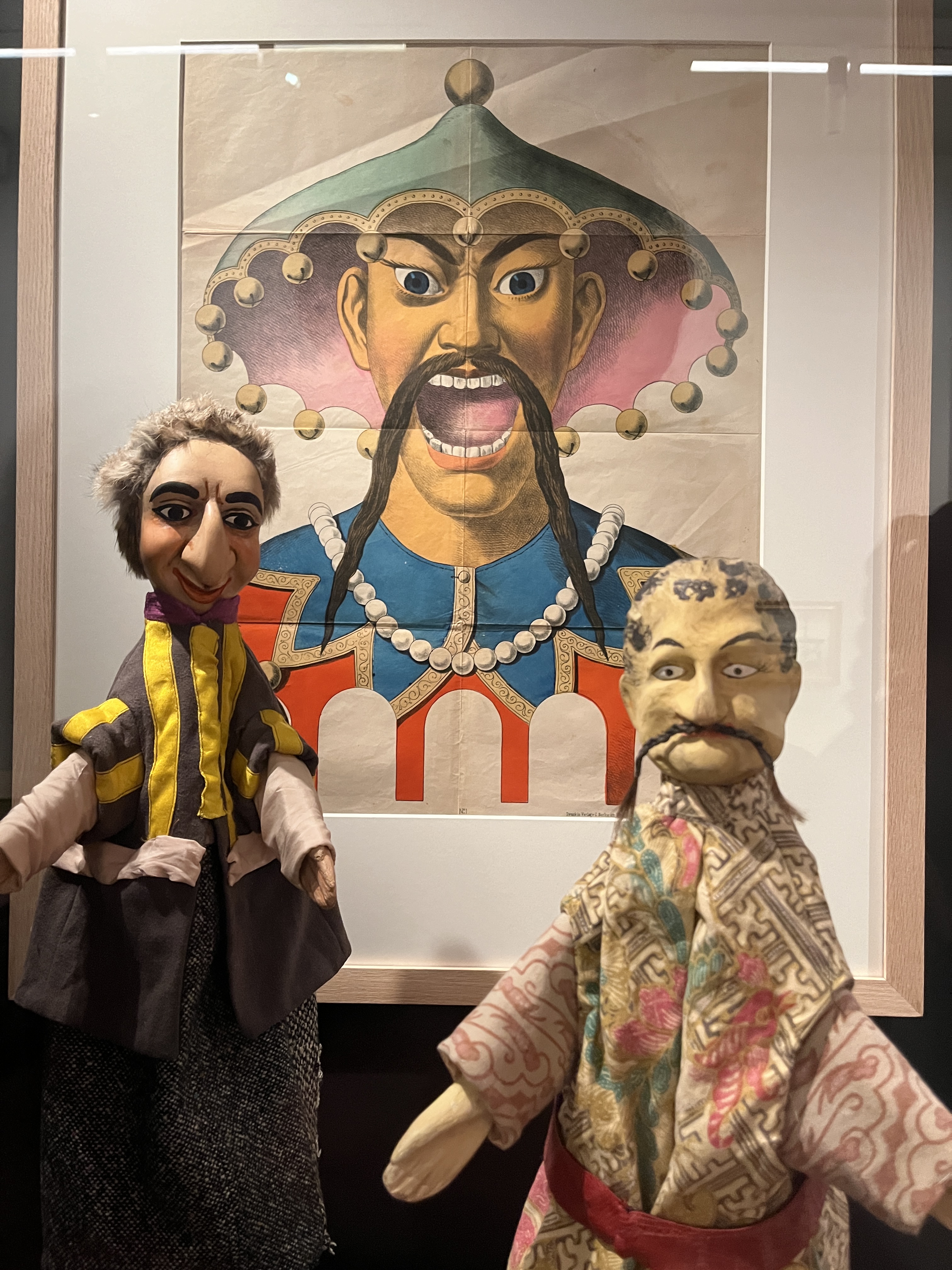
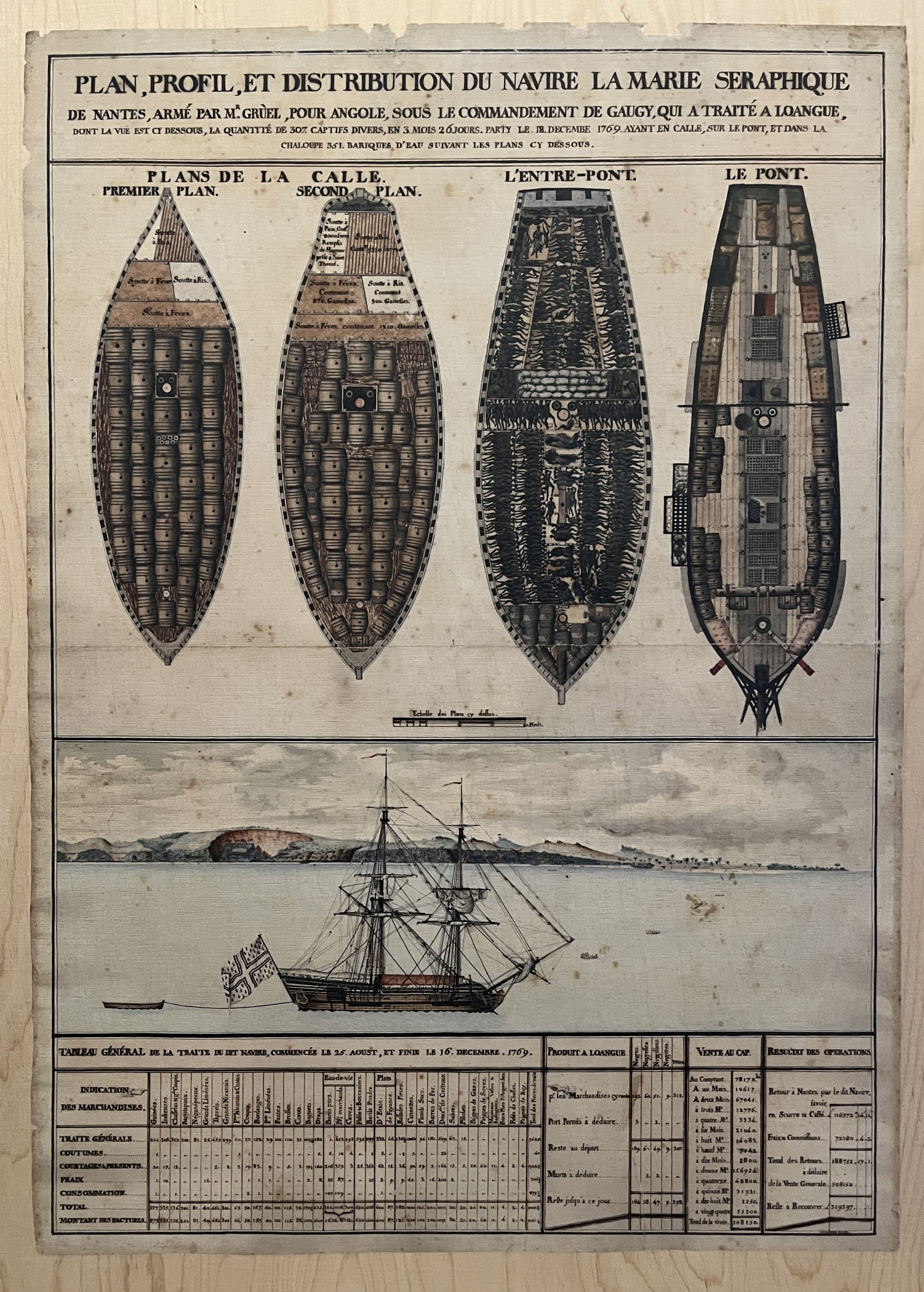
In conclusion, the Musée de l’Histoire de l’Immigration not only chronicles the contributions of migrants to France’s cultural and economic life but also illuminates how these populations have historically been at the heart of class struggles and revolutionary changes. By understanding the depth of historical immigration’s impact on class divisions and consciousness, we gain a fuller appreciation of the complex causes behind the revolutionary attitudes that culminated in the French Revolution. This museum visit enriches our understanding of France’s revolutionary, and it provides us with a deeper, more holistic perspective featuring marginalized voices historically ignored and removed during and from history.
 Revolutionary Cities