
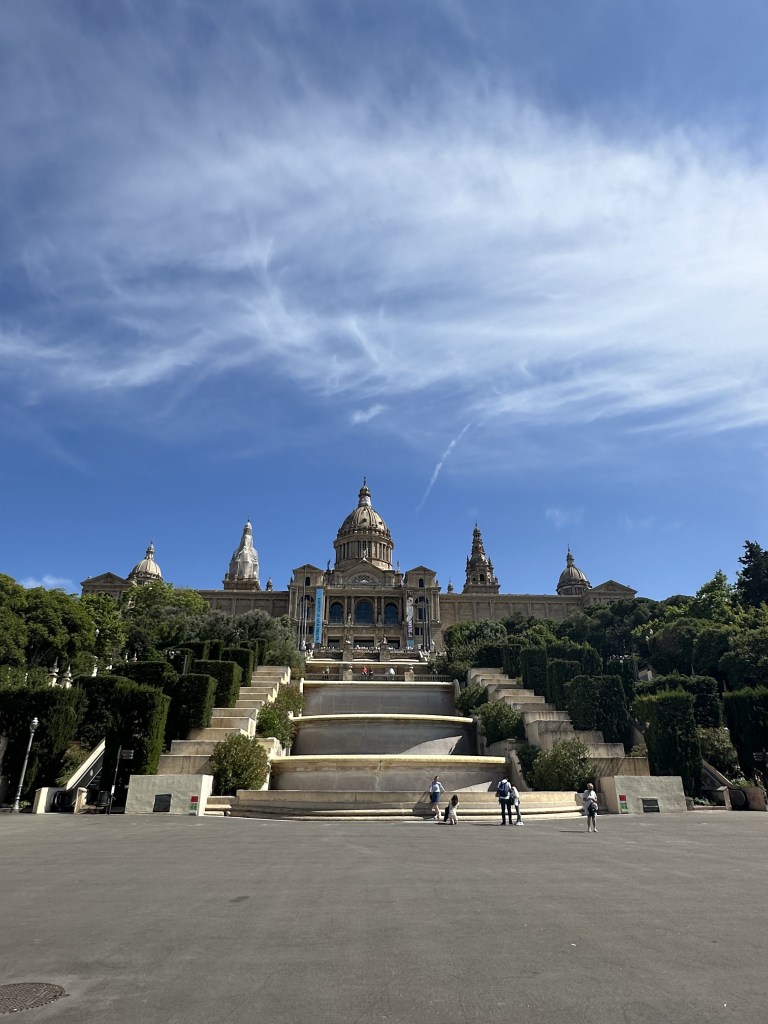
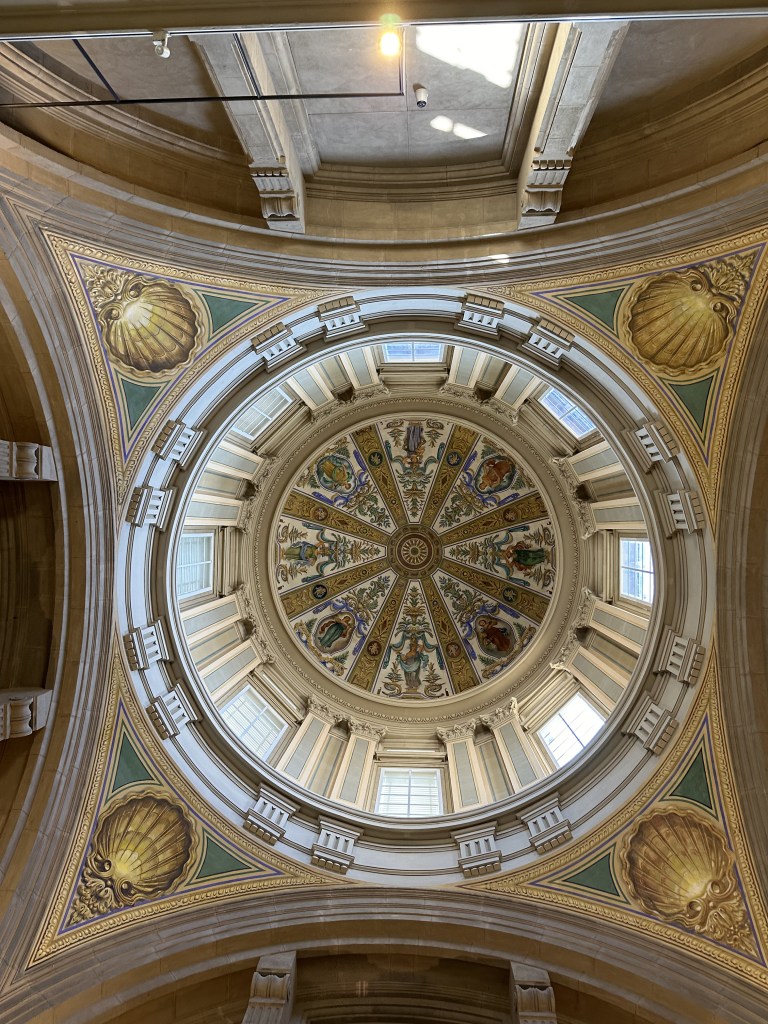
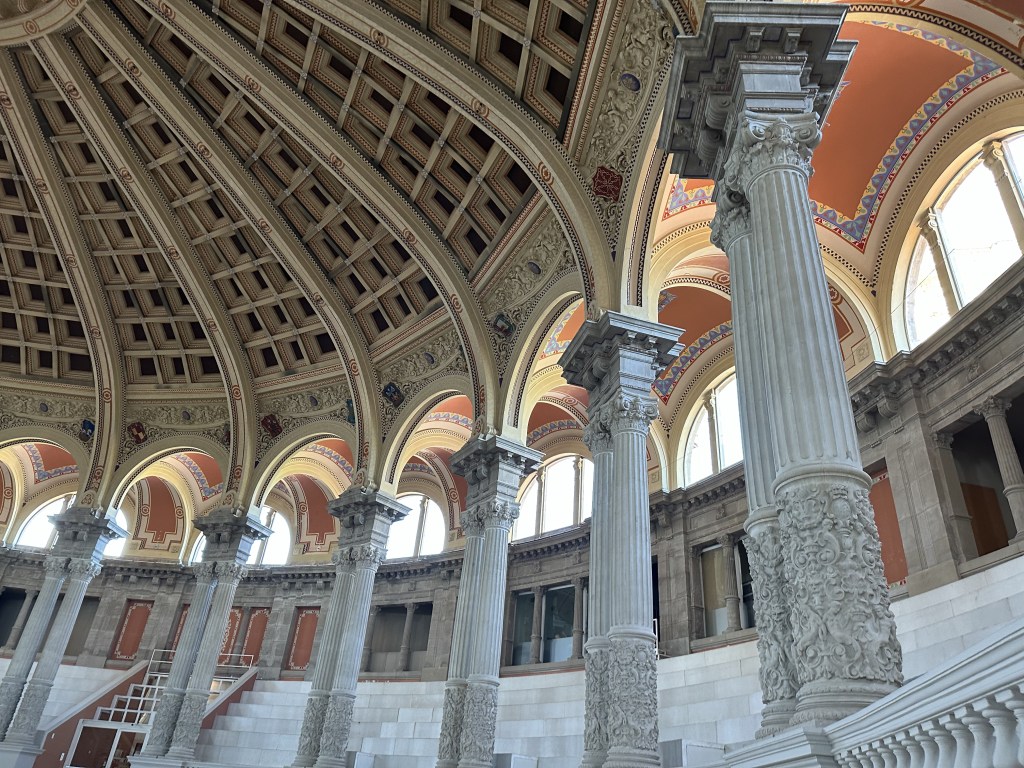
The Art Museum of Catalunya, housed in the magnificent Palau Nacional in Barcelona, offers a breathtaking overview of Catalan art across centuries. Walking through its grand halls, I was struck by how the museum’s vast collection reflects the region’s complex history and cultural evolution. Each artwork tells a story, contributing to a richer understanding of Catalonia’s identity and its artistic legacy.
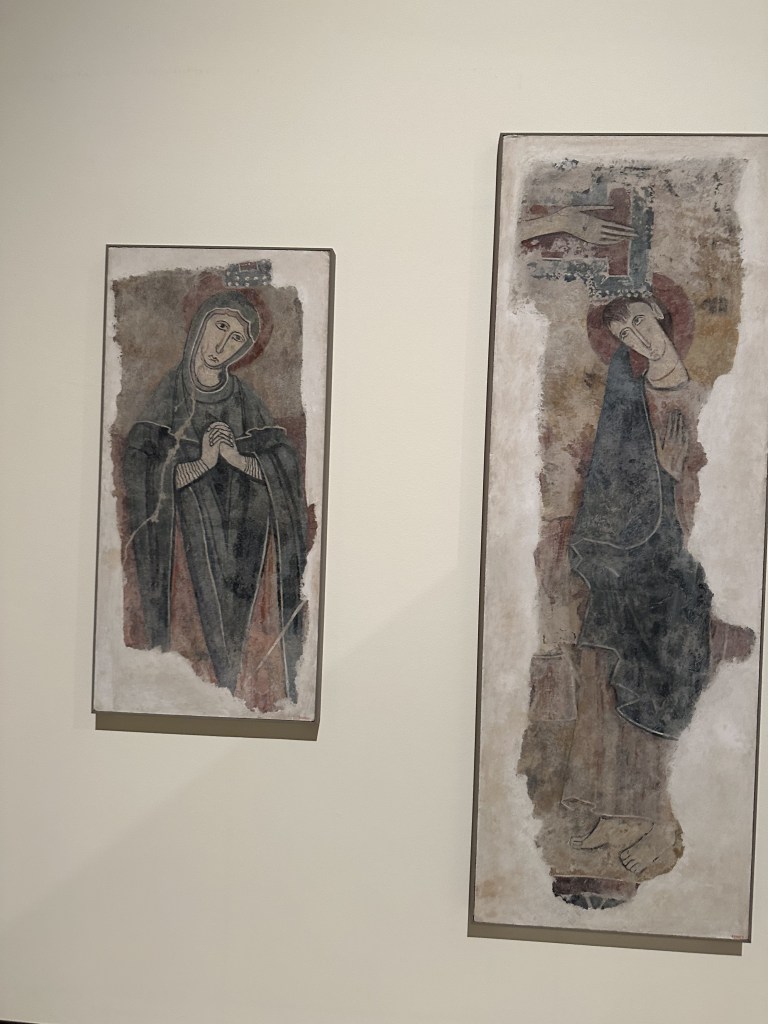
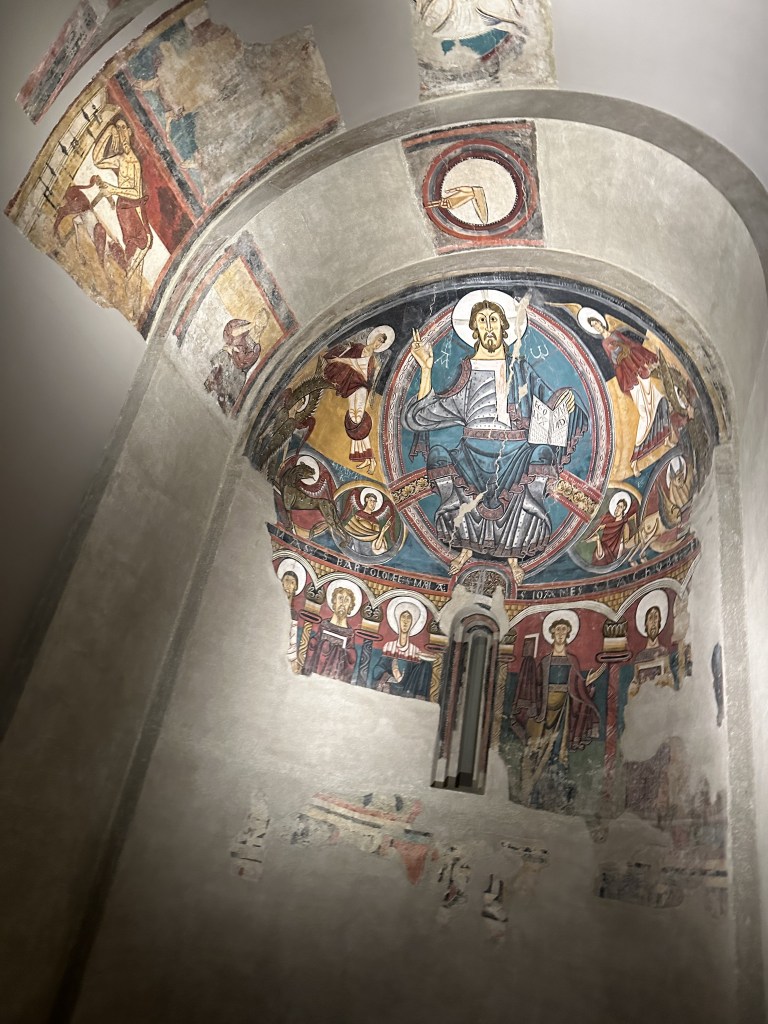
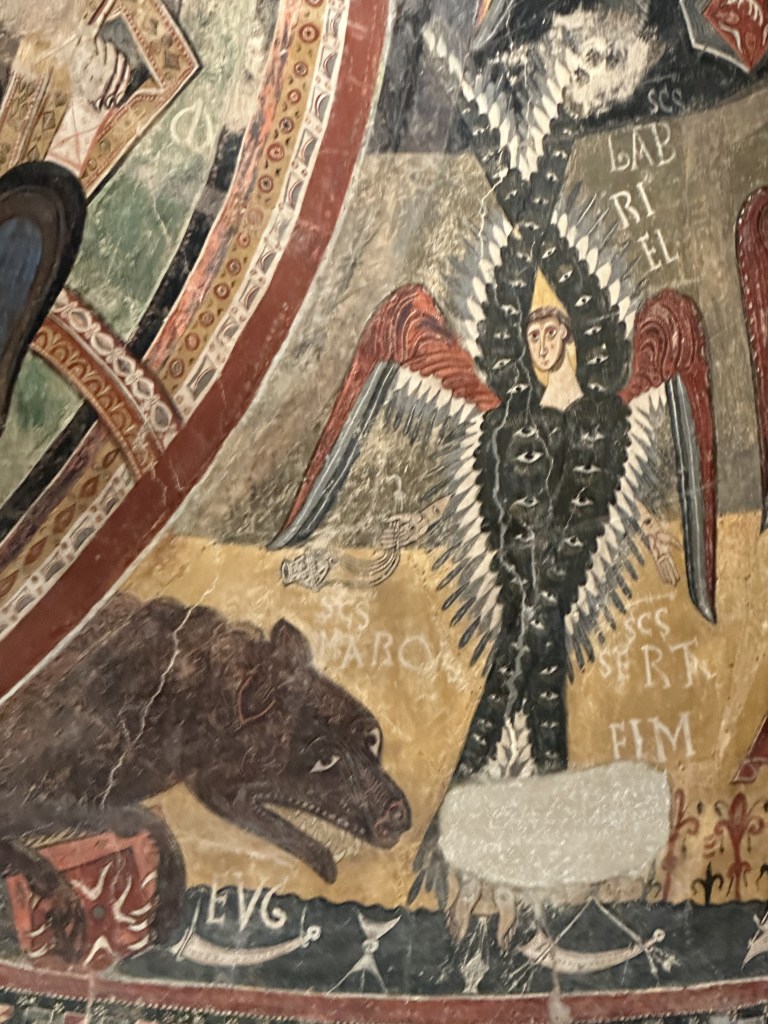
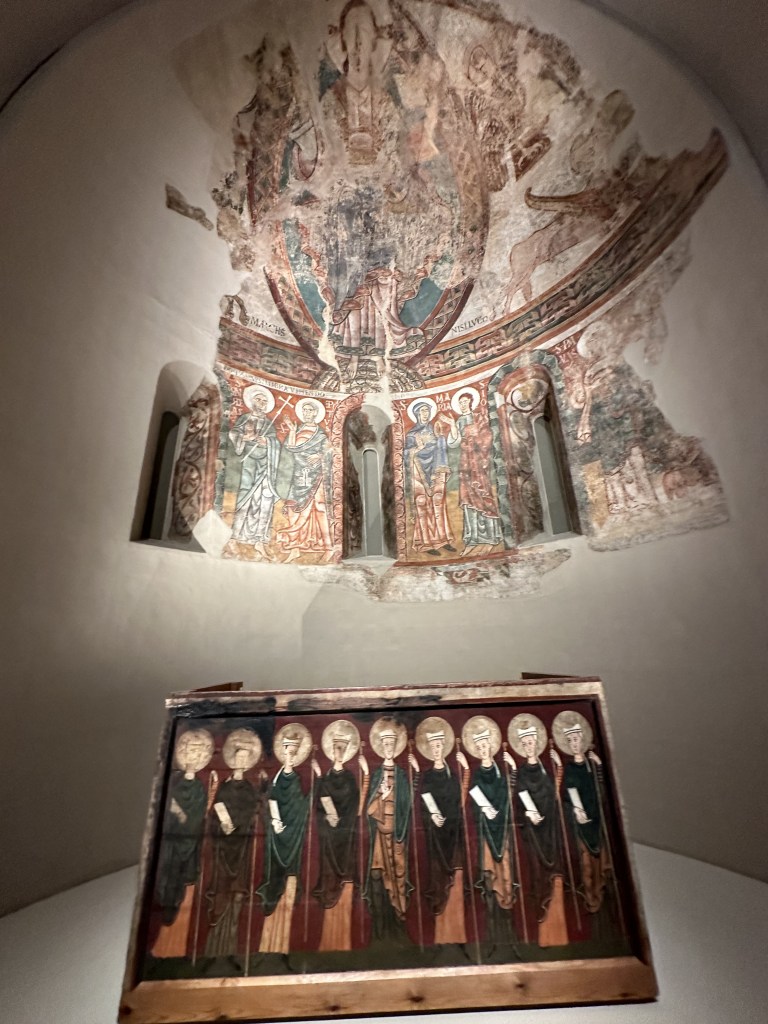
One of the museum’s standout exhibits is its collection of Romanesque art. The vibrant frescoes and sculptures from rural churches across Catalonia vividly illustrate the medieval period’s artistic achievements. These works not only highlight the religious fervor of the time but also showcase a unique artistic style that developed in the region, distinct from the rest of Europe. The frescoes, with their bold lines and vivid colors, depict biblical scenes in a way that is both striking and deeply spiritual. The collection includes the famous “Pantocrator” from the apse of Sant Climent de Taüll, a masterpiece of Romanesque art that embodies the mystical and transcendent qualities of the period.
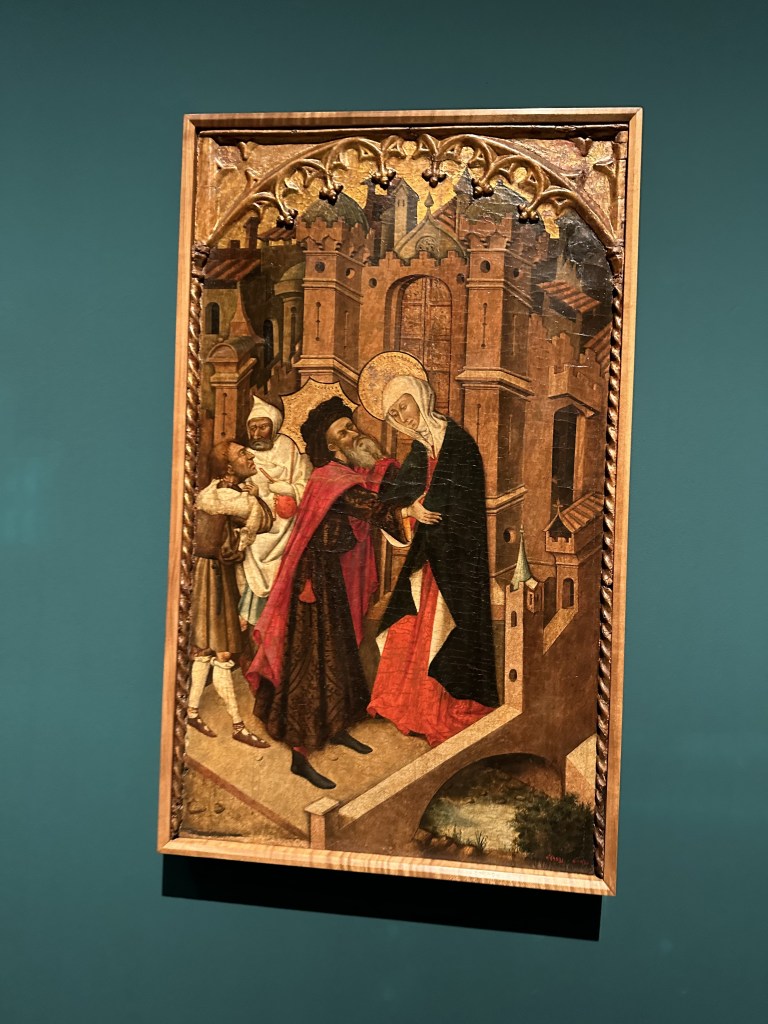
The museum’s Gothic art collection further emphasizes Catalonia’s rich cultural tapestry. The altarpieces and religious sculptures from this period are incredibly detailed, showcasing the skill of Catalan artists and their contribution to the broader European Gothic movement. These works reflect the societal changes and political tensions of the era, particularly the conflicts between the nobility and emerging merchant classes. One notable piece is the “Altarpiece of Saint Clare” by the Master of the Conquest of Mallorca, which combines intricate detail with a narrative depth that draws viewers into the medieval world.
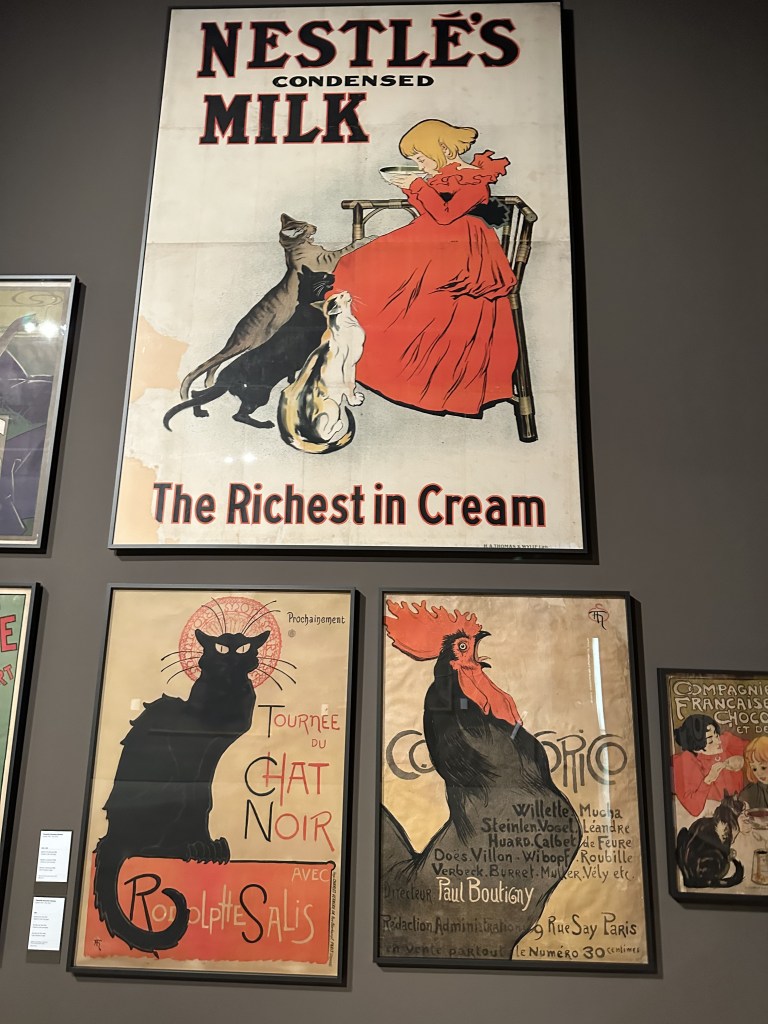
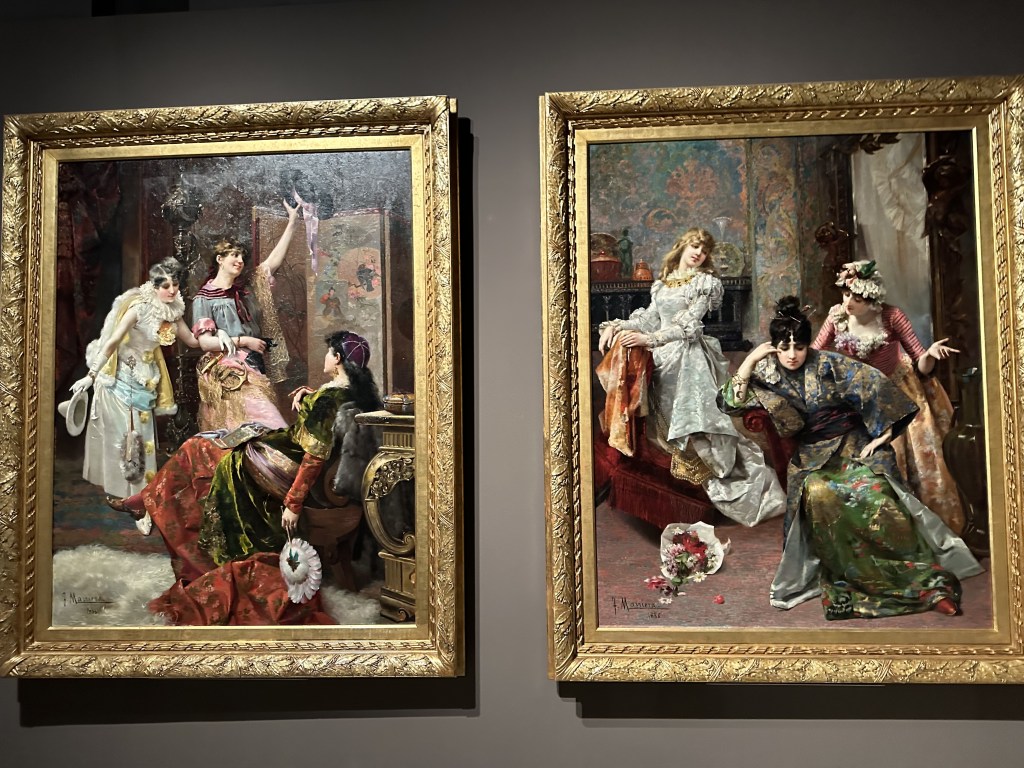
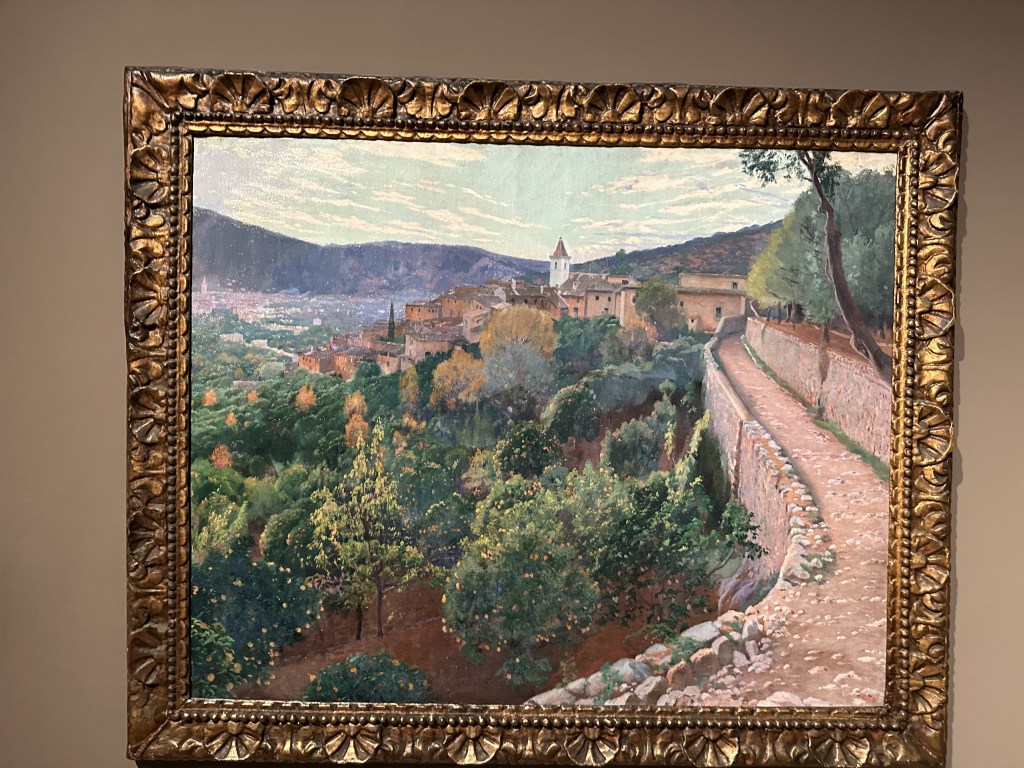
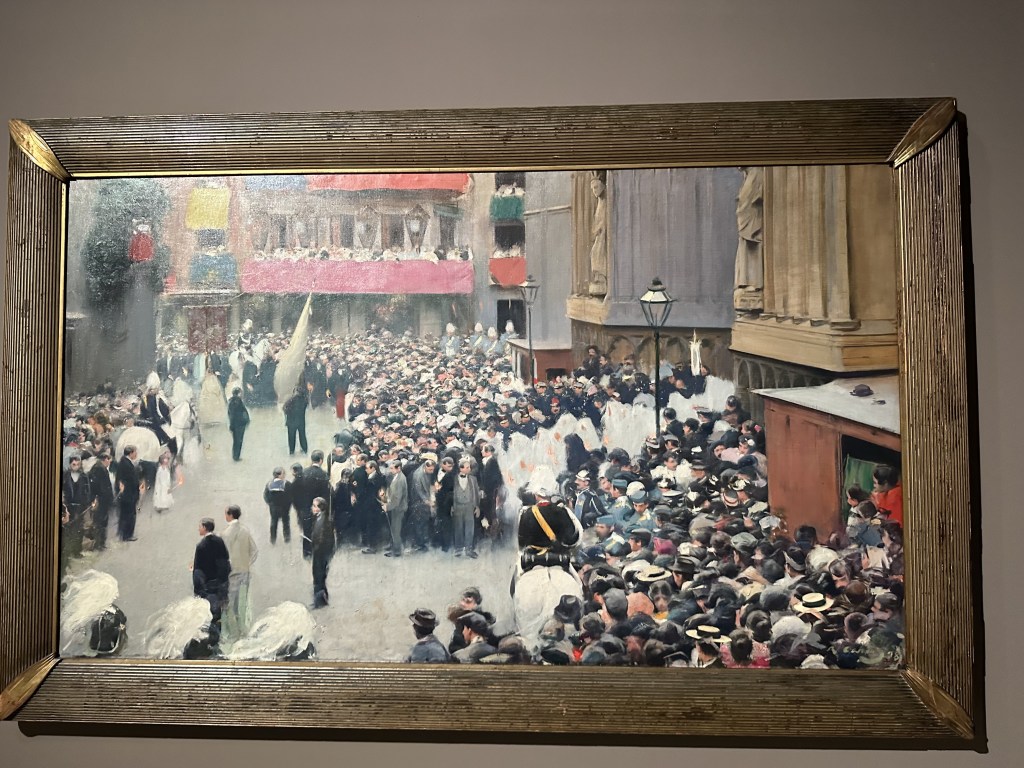
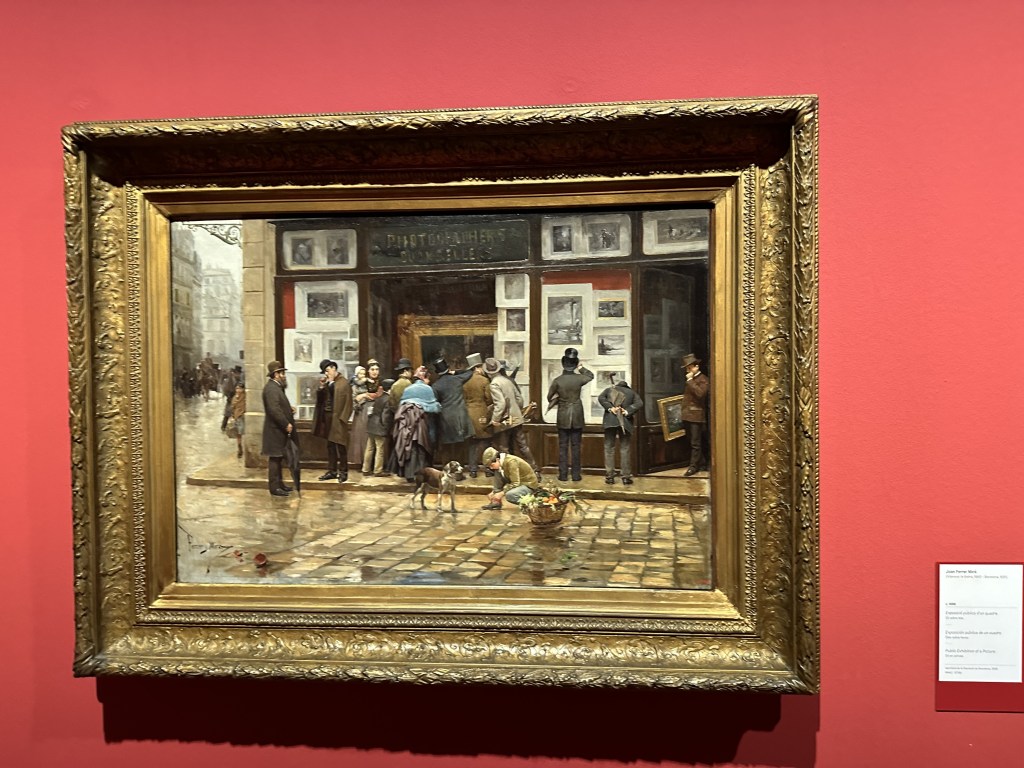
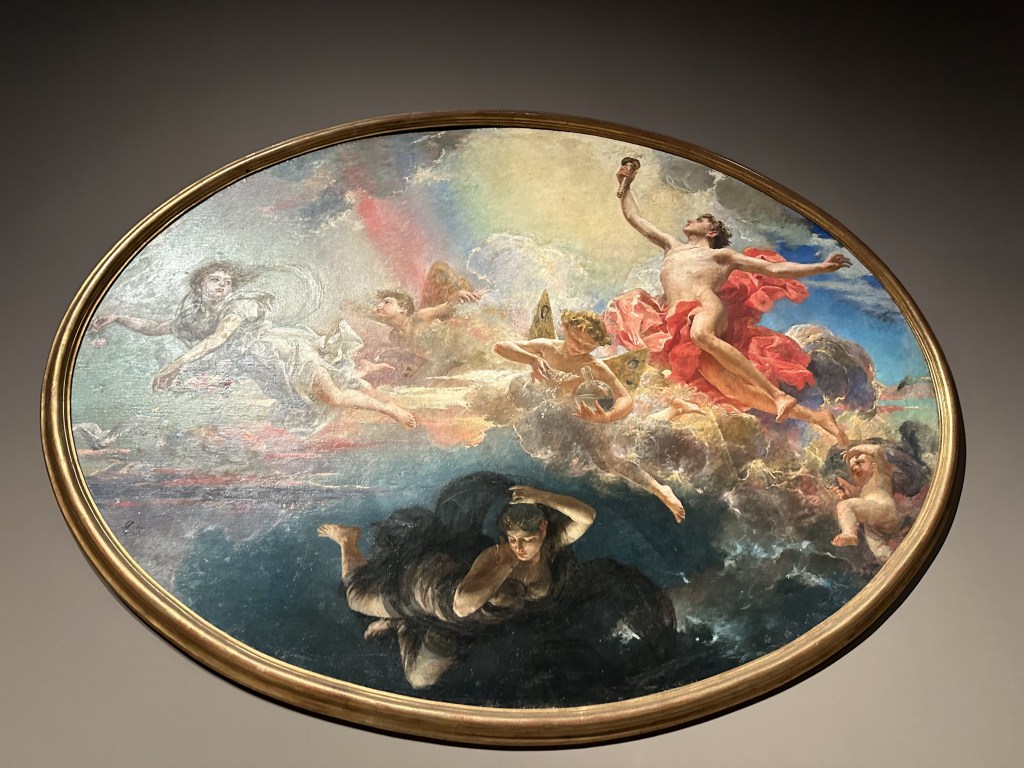
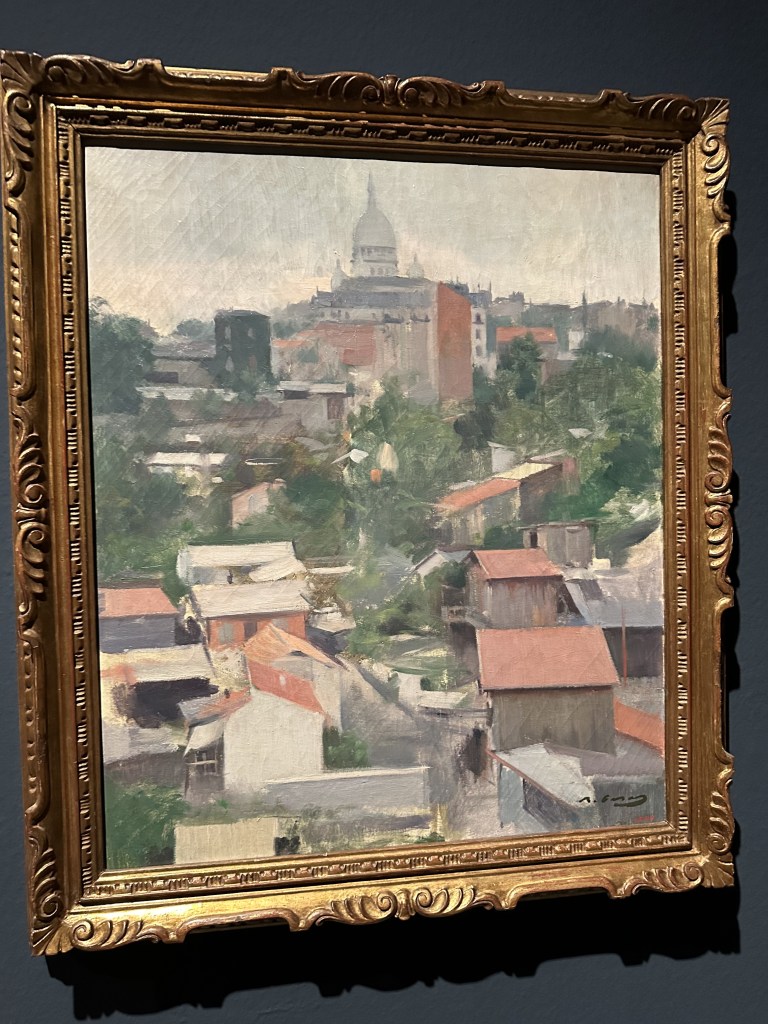
In the modern art section, I was particularly drawn to the works of Catalan modernists like Ramon Casas and Santiago Rusiñol. Their paintings capture the vibrancy of early 20th-century Barcelona and reflect the societal changes and political upheavals of the time. The museum also features works by Picasso and Dalí, who, despite their global fame, maintained deep connections to Catalonia. I found lots of the art to be effectively illustrating the dynamic social scene of modernist Barcelona.
One thing I also noticed is how the art showed class disparities in different time periods. One work from the late 1800s would show women working in a tapestry factory, exhausted, while other paintings from the same year would show higher class women getting ready for the ball. Art is consistently present across classes, and seeing how different people were living in the same time and place contextualizes social movements of Catalonia to make more sense to me.
The Art Museum of Catalunya is more than just a repository of beautiful artworks; it’s a reflection of the region’s identity and history. Each piece tells a story, contributing to a richer understanding of Catalonia’s cultural and political journey. The museum also hosts temporary exhibitions that explore contemporary themes and current artistic trends, ensuring that it remains a vibrant and relevant institution. As I left the museum, I felt a deep appreciation for the artistic heritage of Catalonia and its ongoing contribution to the cultural landscape.






 Revolutionary Cities