
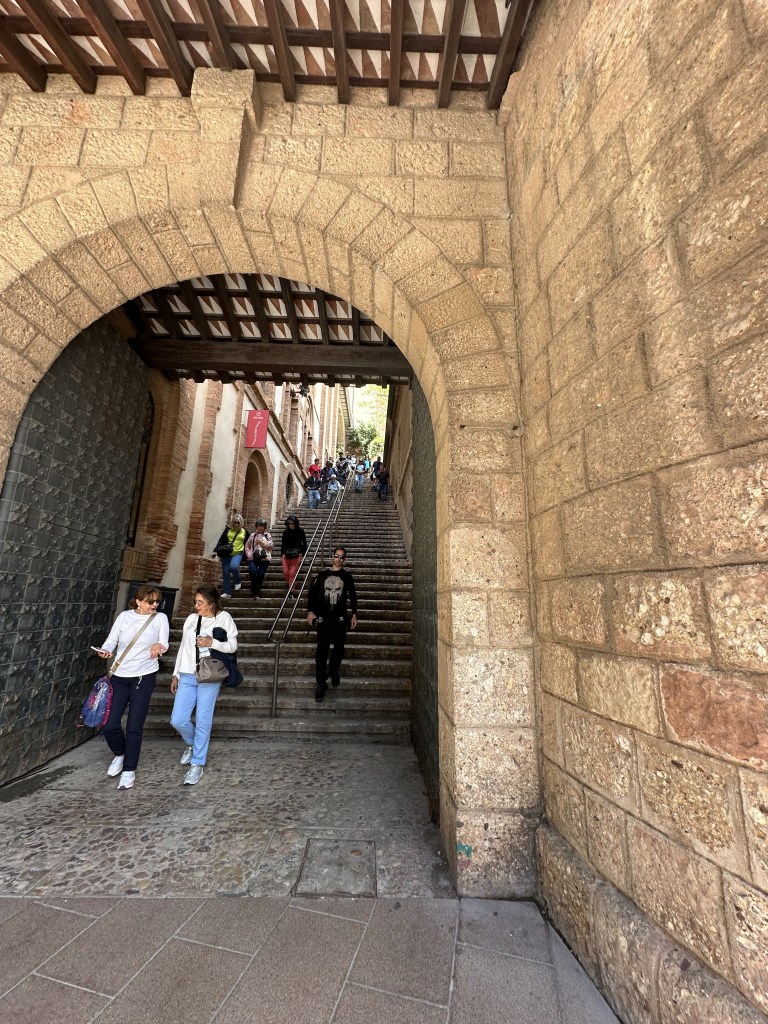
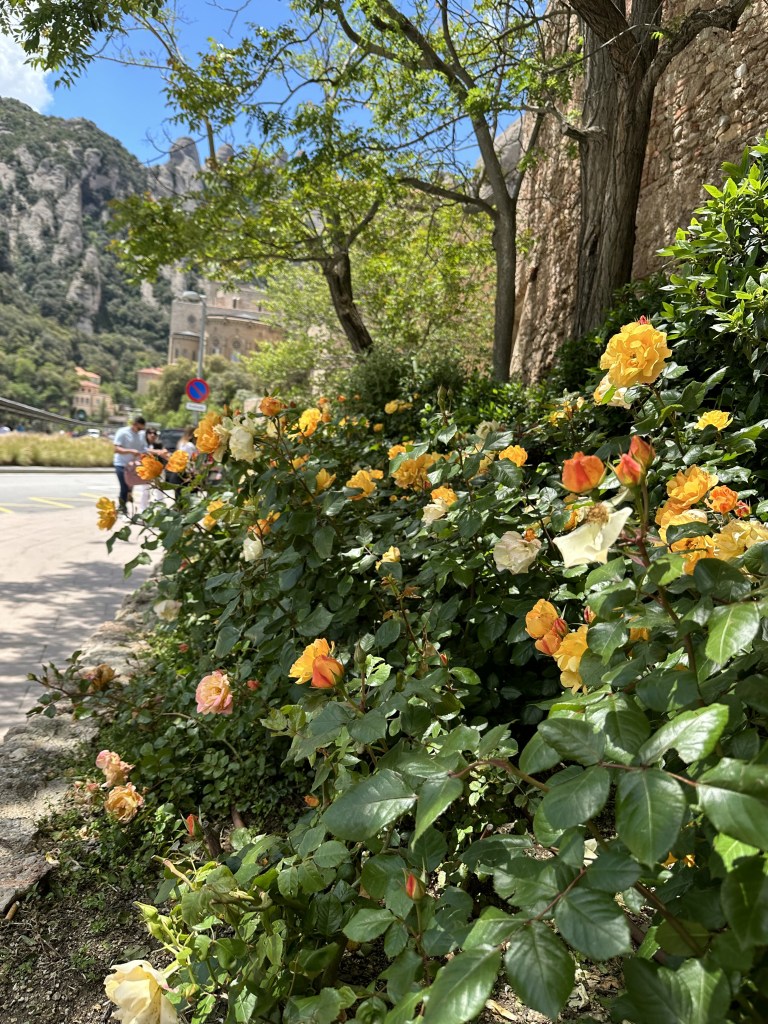
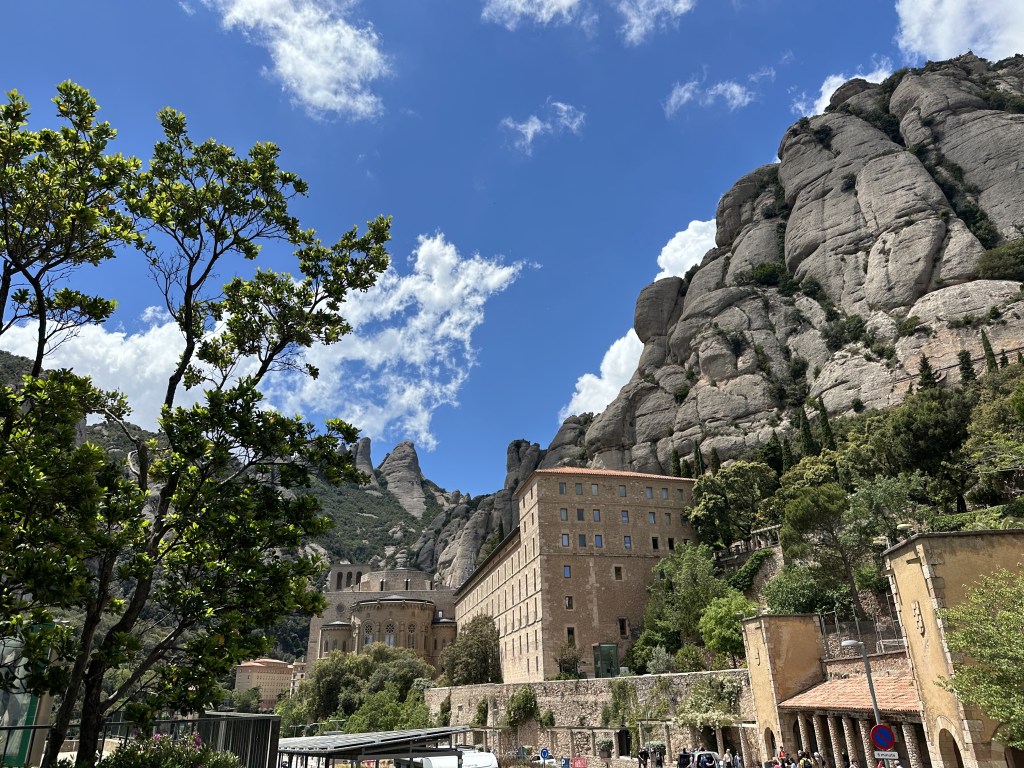
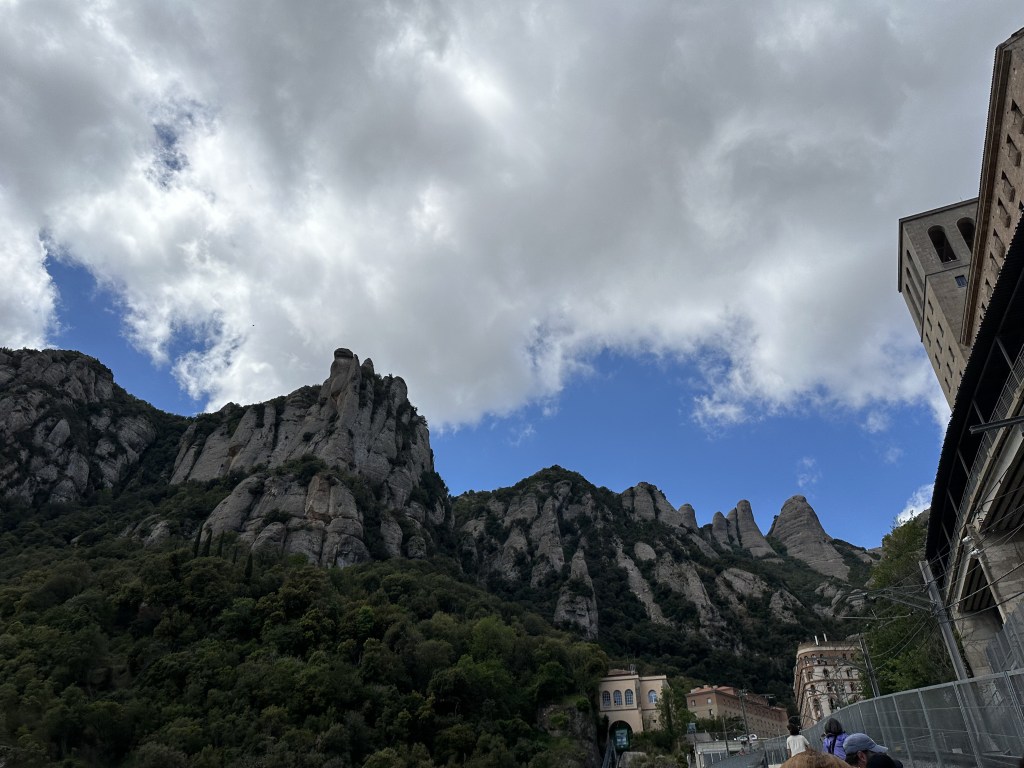
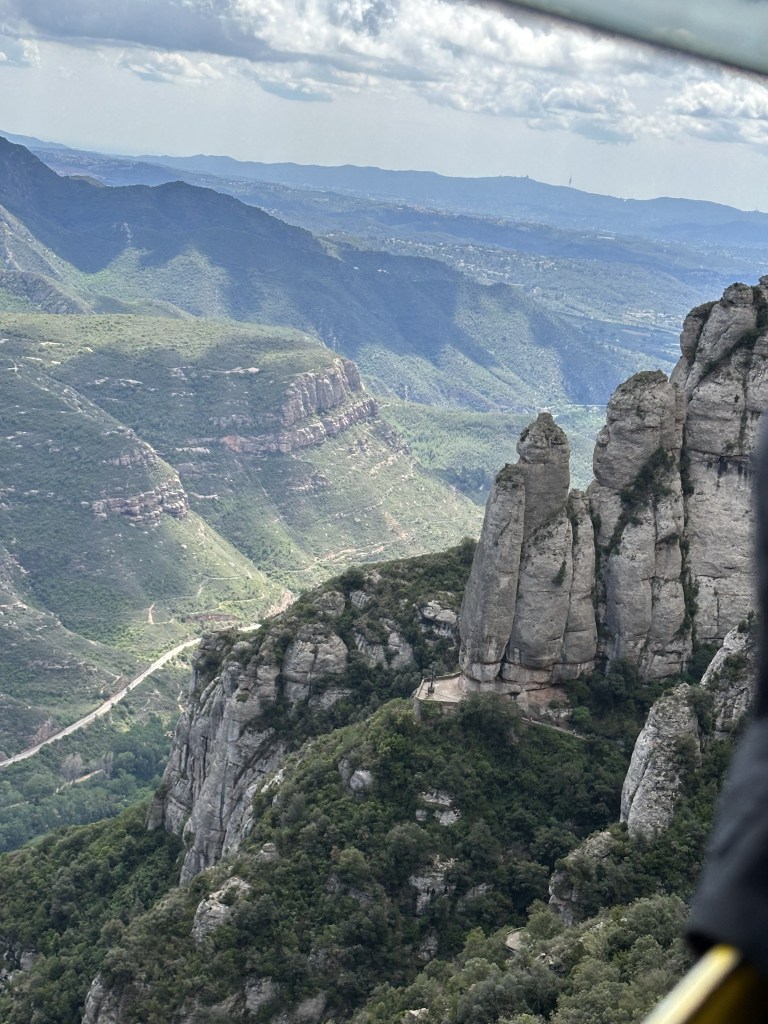
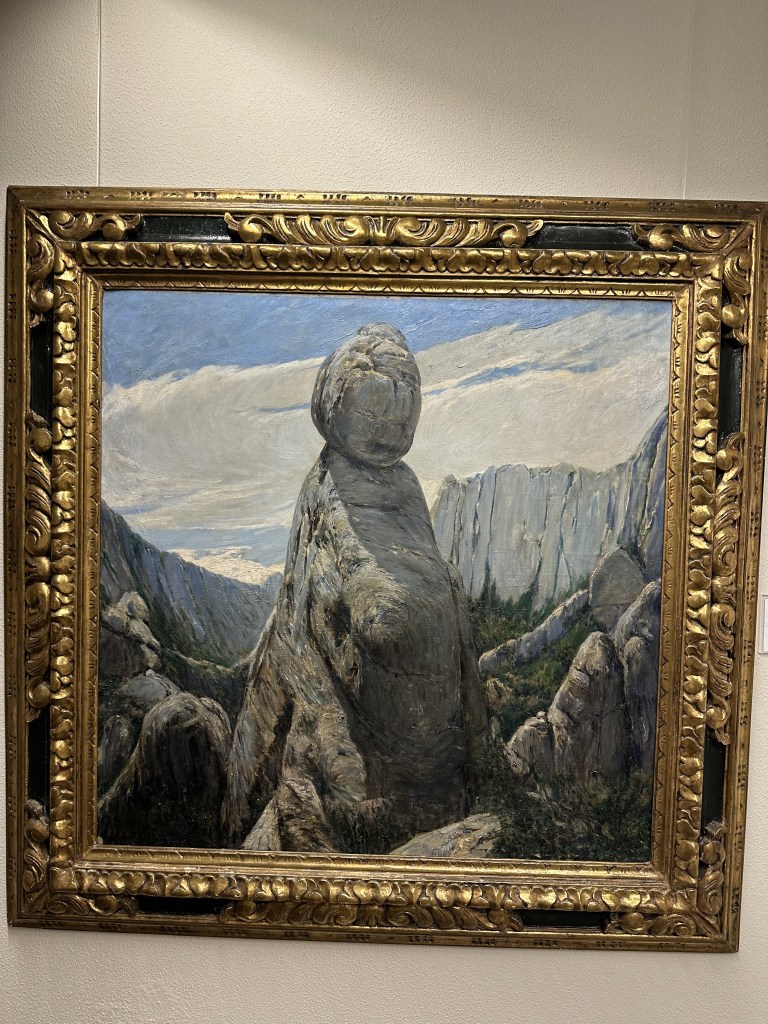
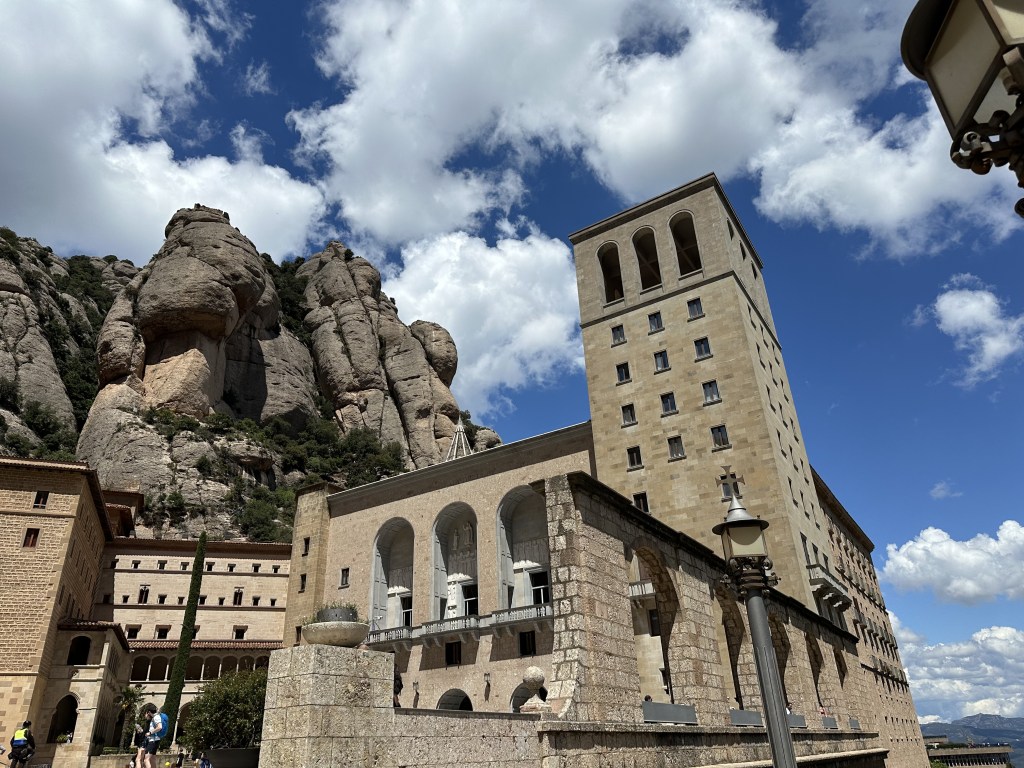
Visiting Montserrat is a deeply spiritual and cultural experience that offers a unique perspective on Catalonia’s history and identity. Nestled among dramatic rock formations, the Santa Maria de Montserrat Abbey is a place of pilgrimage and a symbol of Catalonian faith and resilience. The abbey, with its stunning views and serene atmosphere, provides a perfect setting for contemplation and reflection.
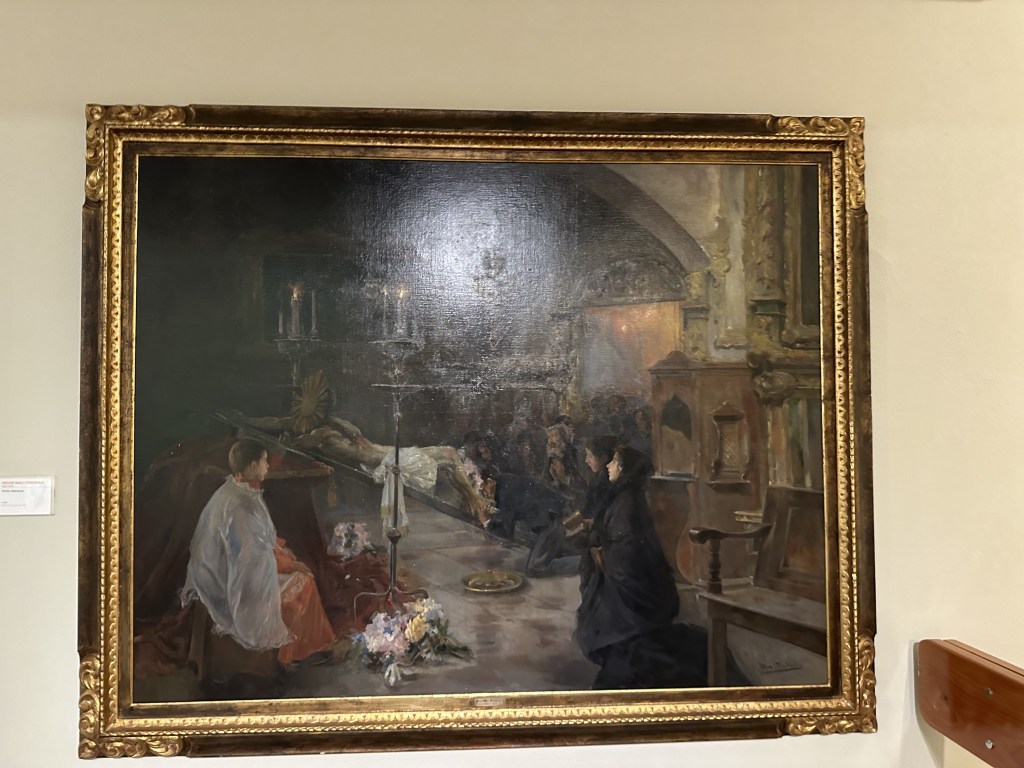
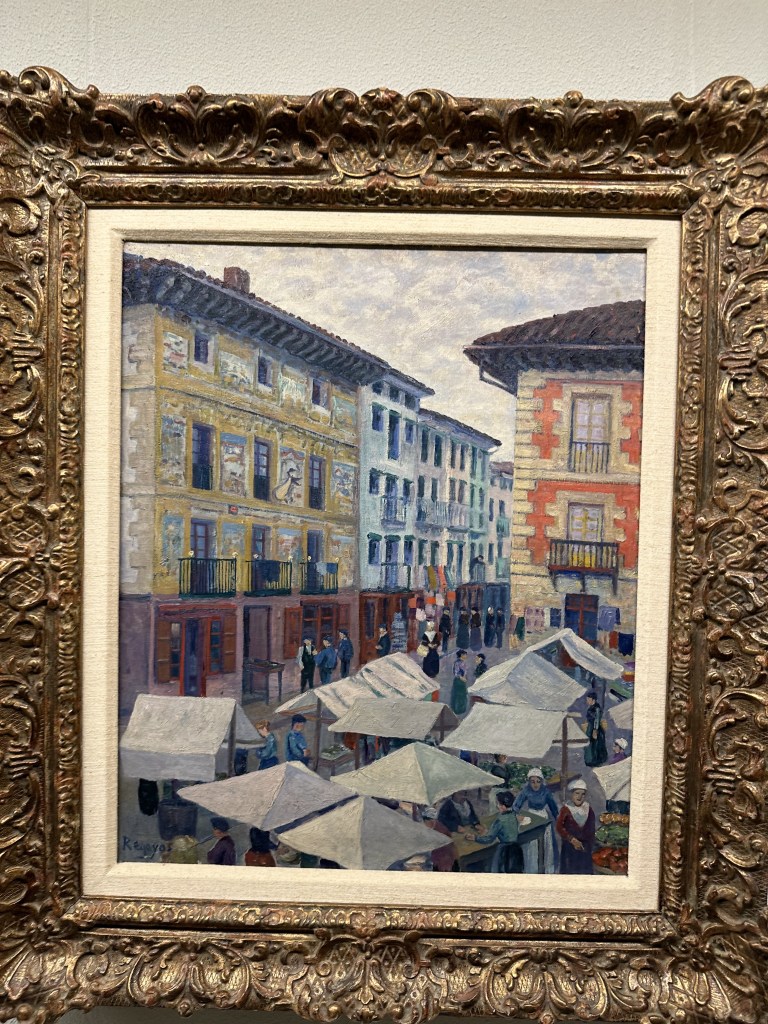
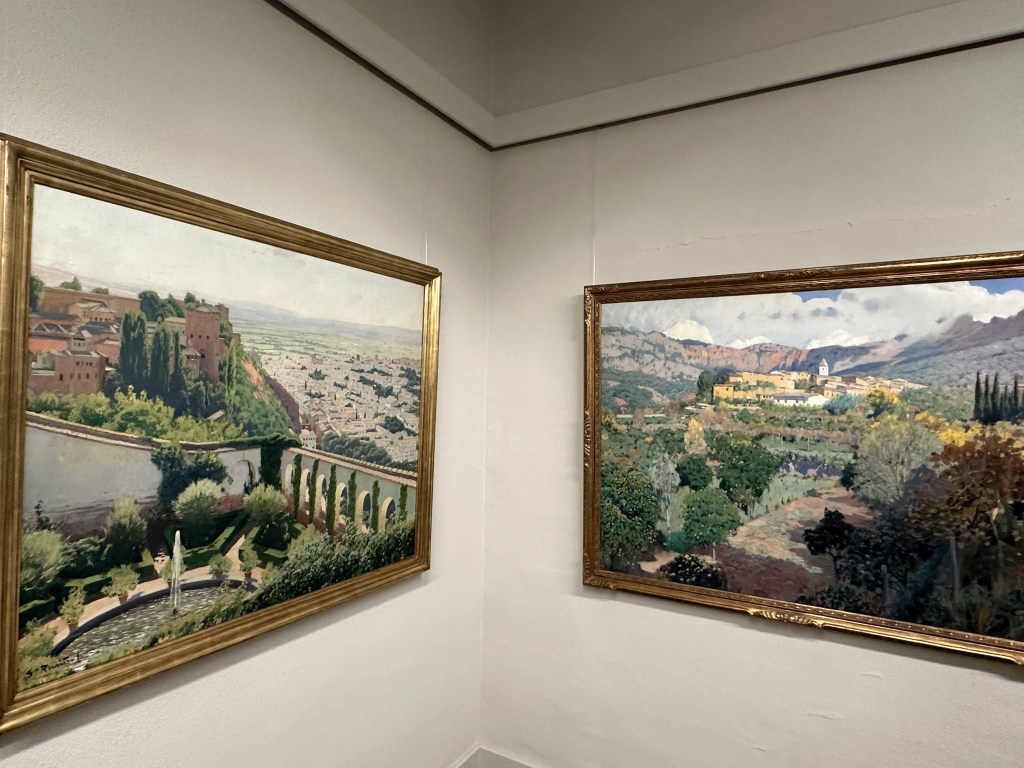
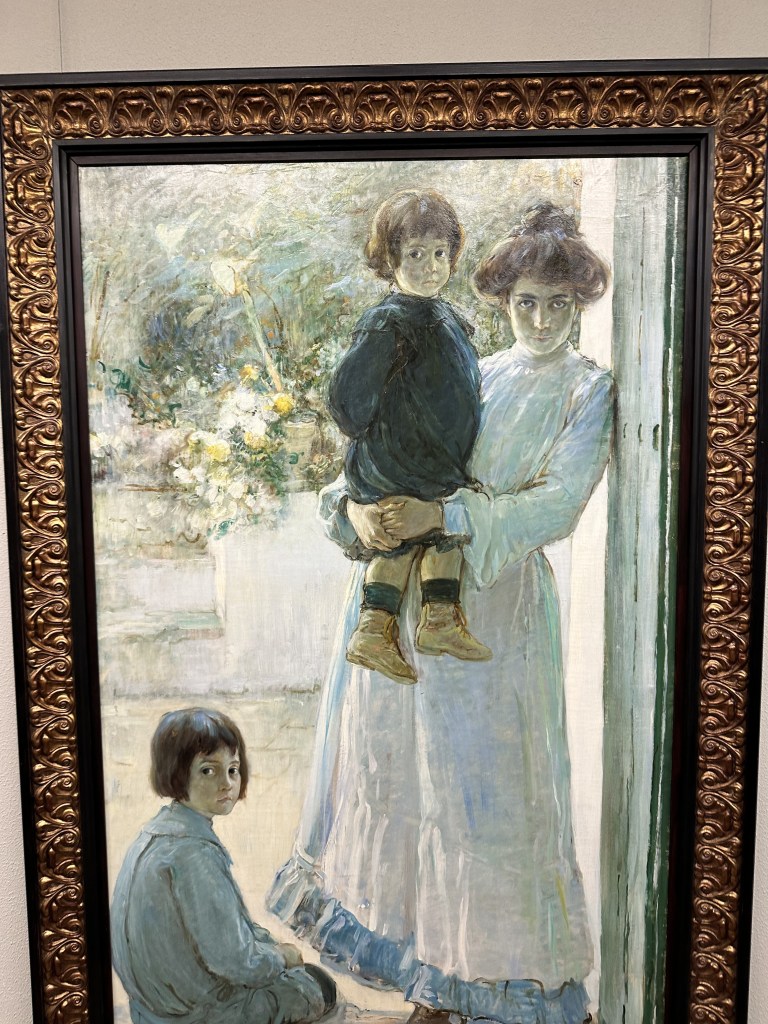
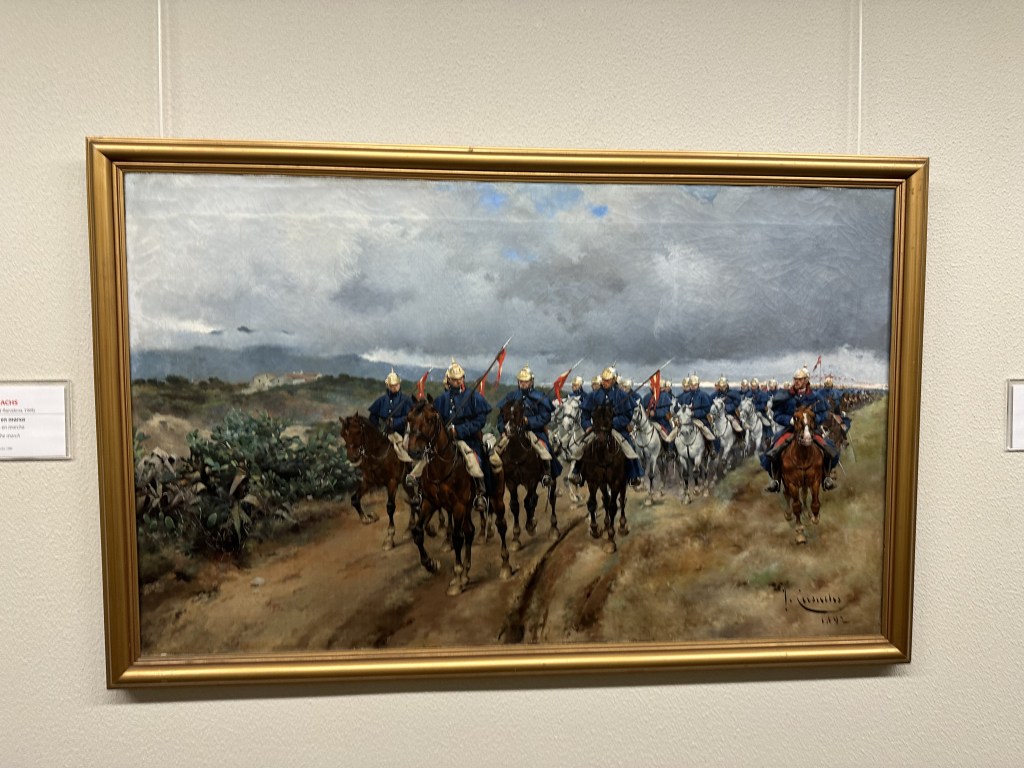
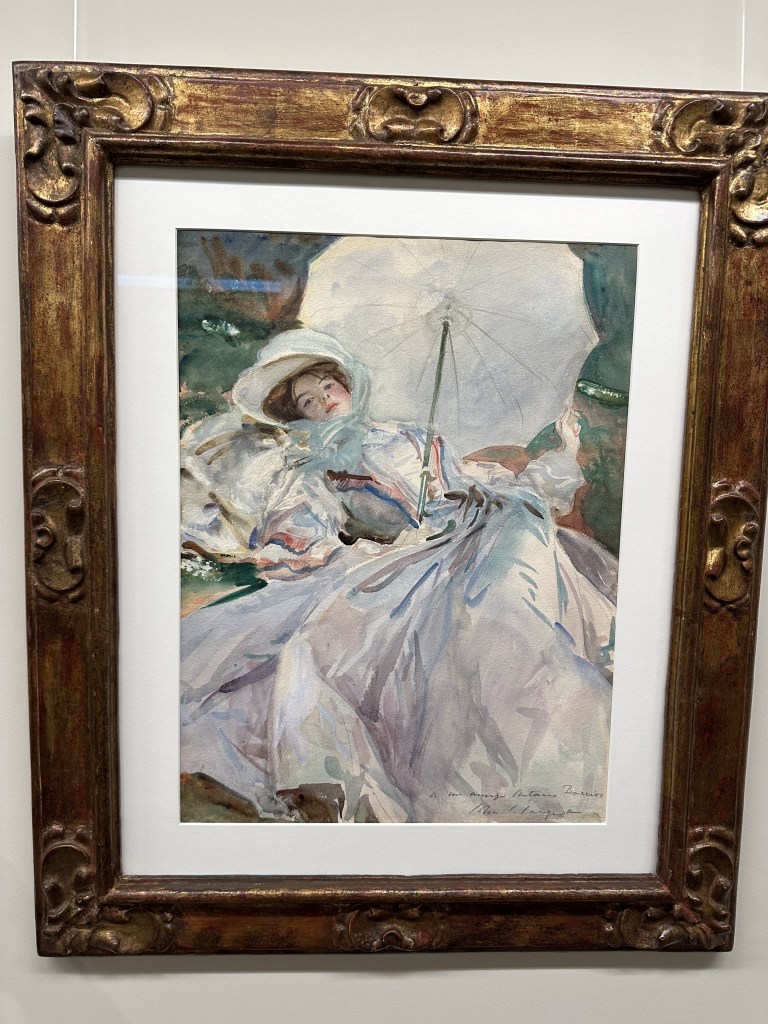
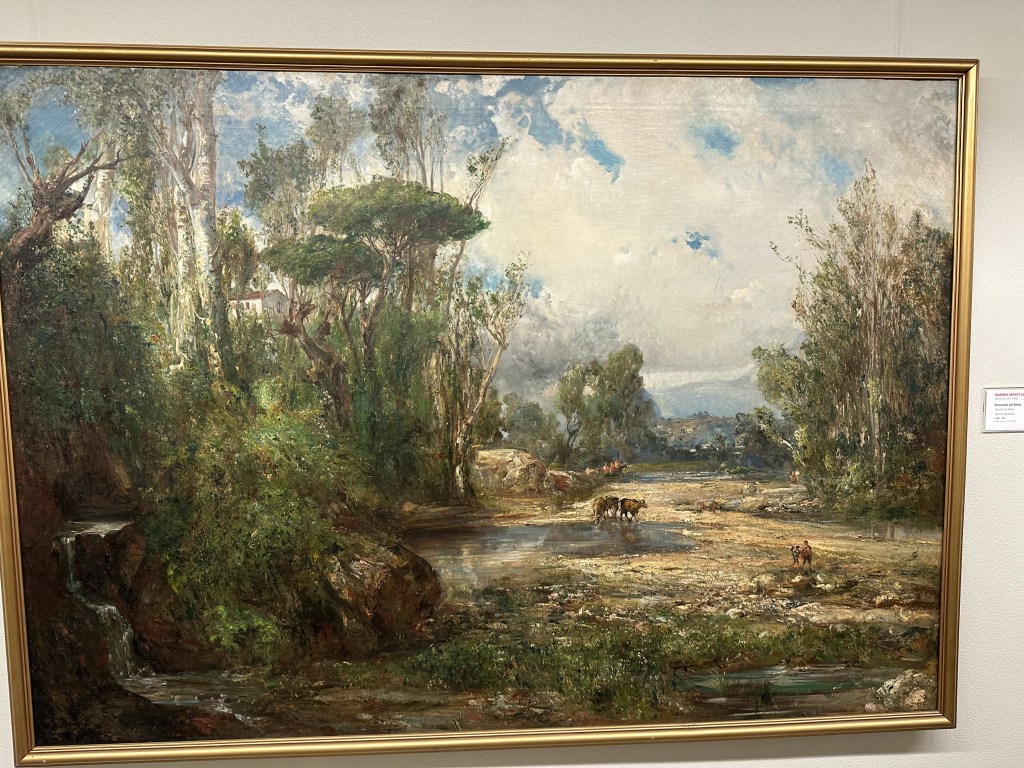
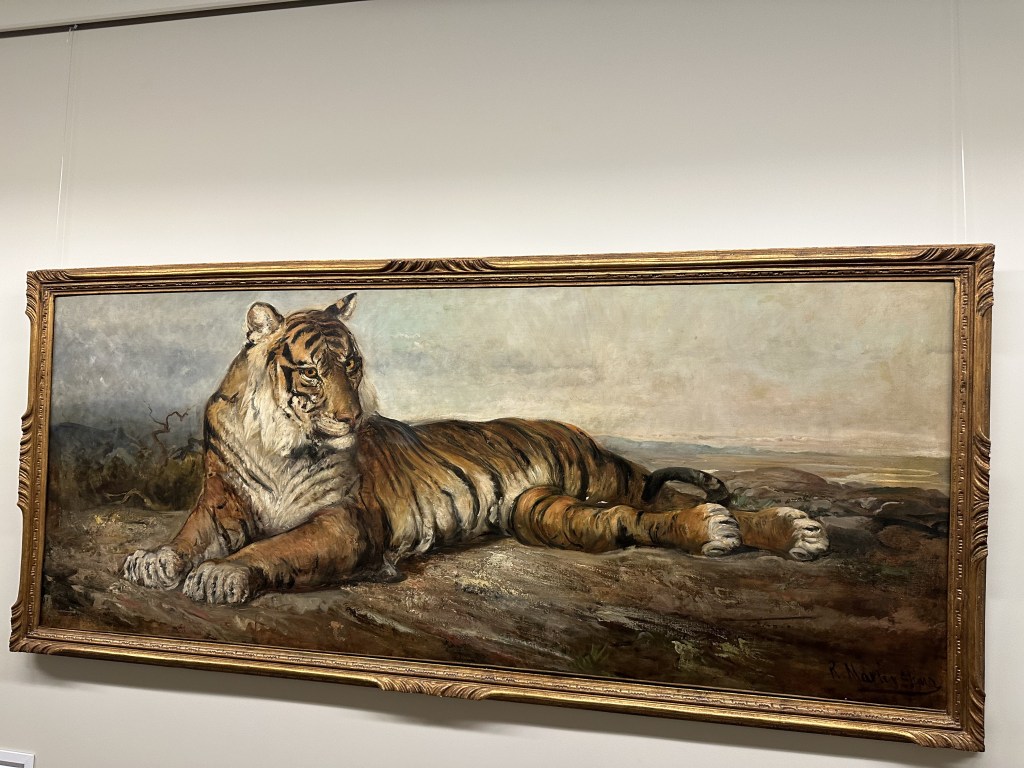
The Montserrat Museum, located within the abbey complex, houses an impressive collection of art and artifacts that connect visitors to the region’s rich history. One of the museum’s most notable pieces is Josep Cusach’s “Un regiment en marxa.” This painting vividly depicts a regiment on the move, capturing the dynamism and tension of military life. Cusach, known for his military scenes, brings a sense of realism and immediacy to his work, reflecting the turbulent times in which he lived. The soldiers, depicted in motion, convey a sense of urgency and determination, making the painting a powerful commentary on the nature of conflict and duty.
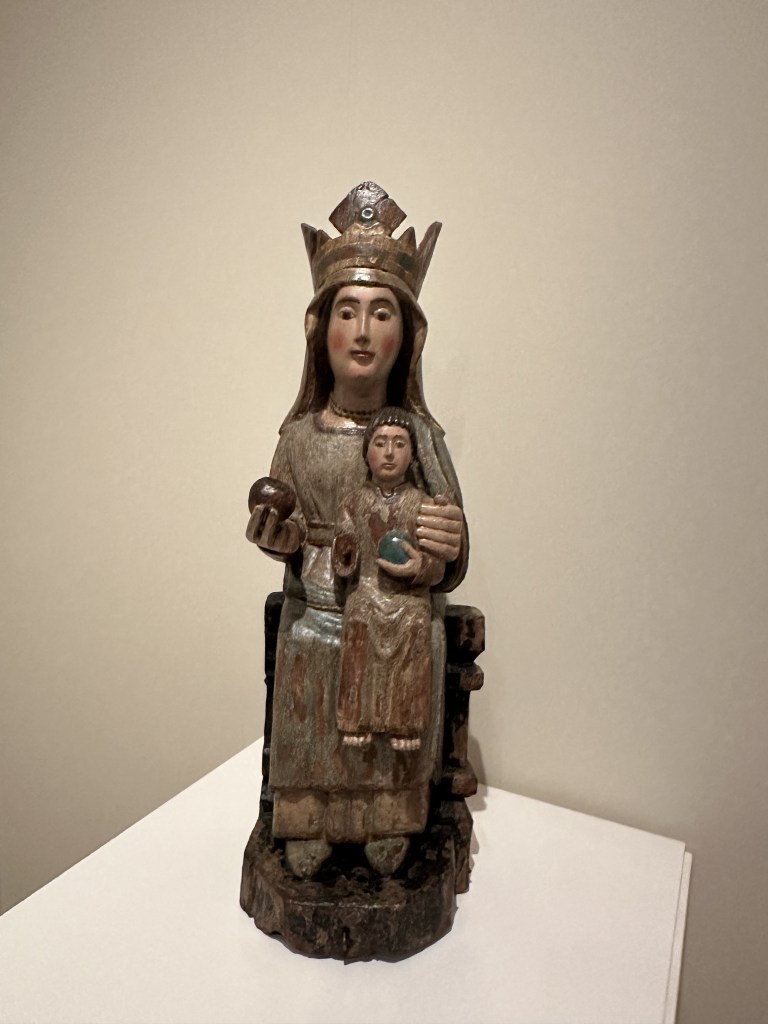
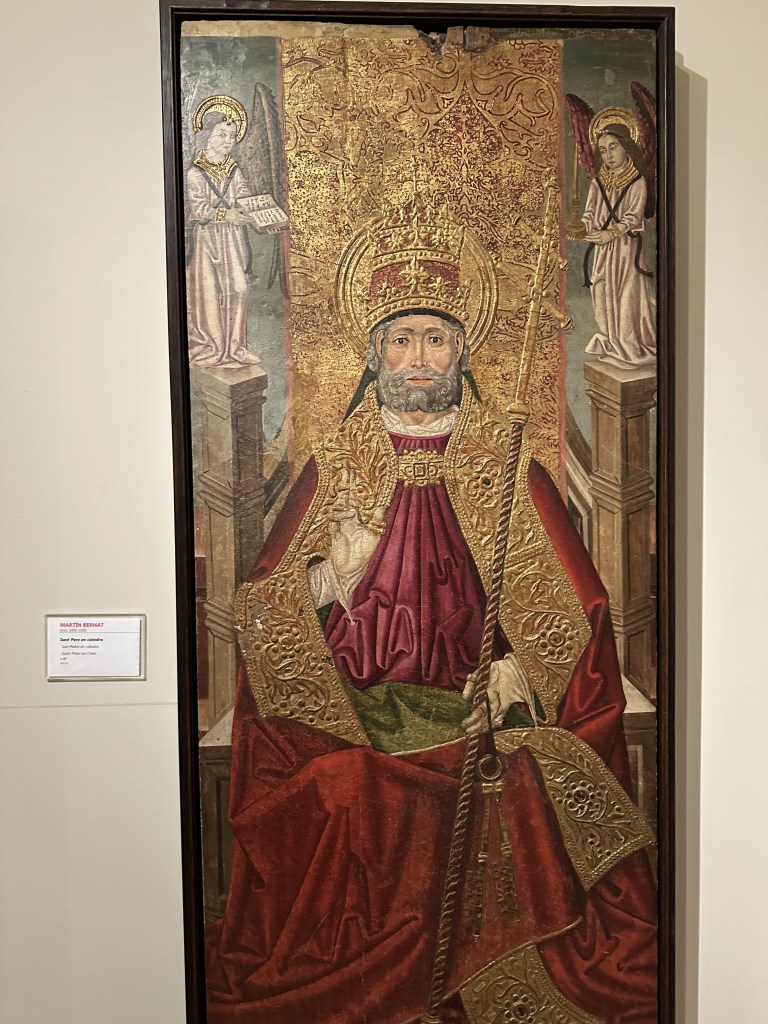
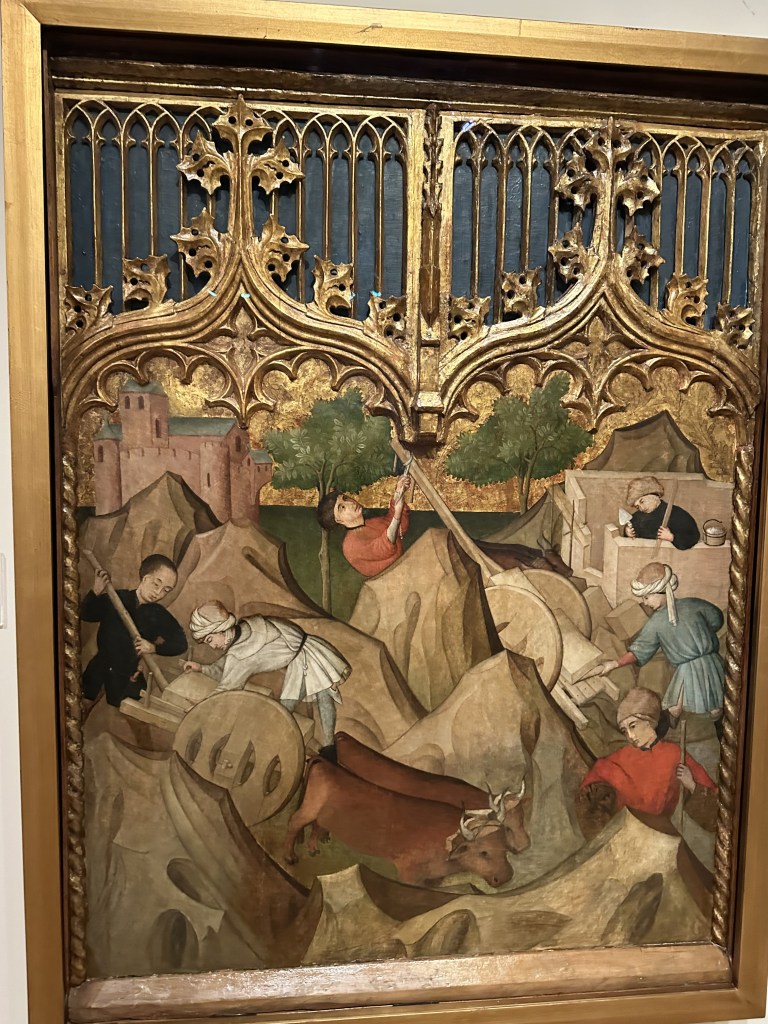
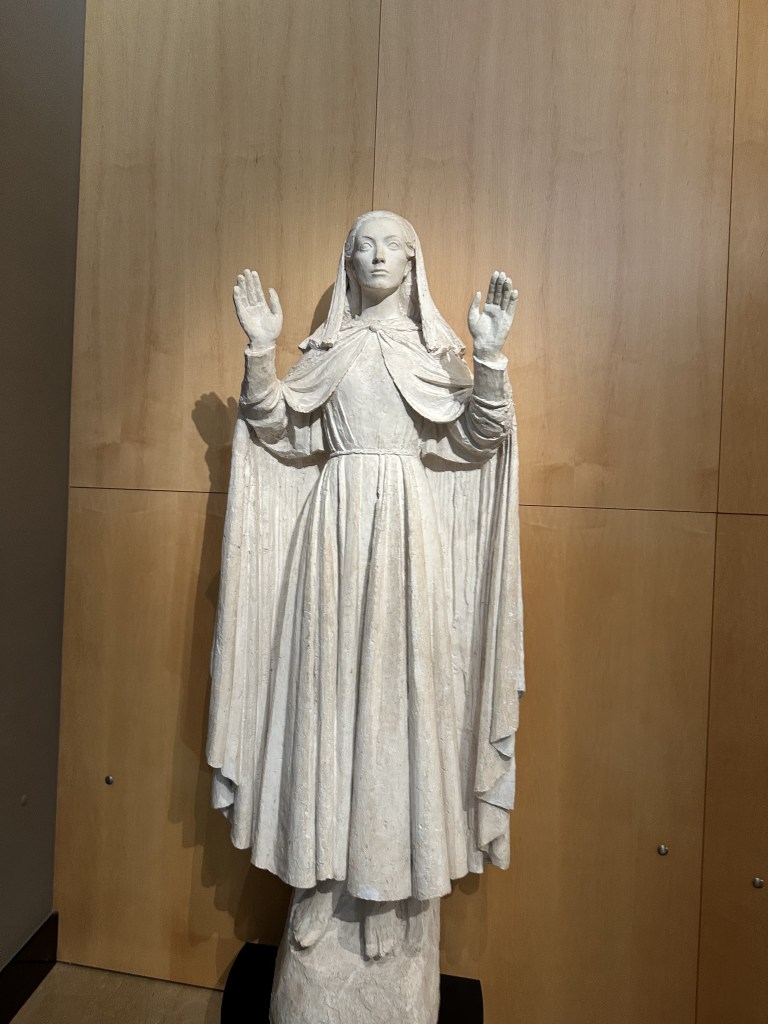
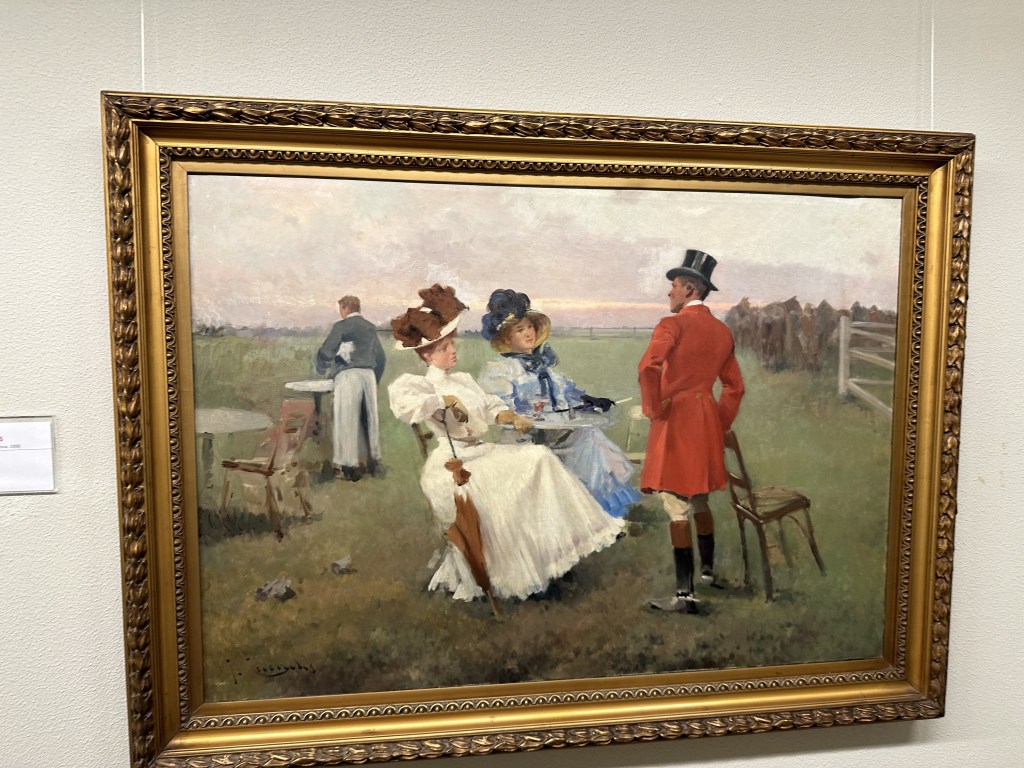
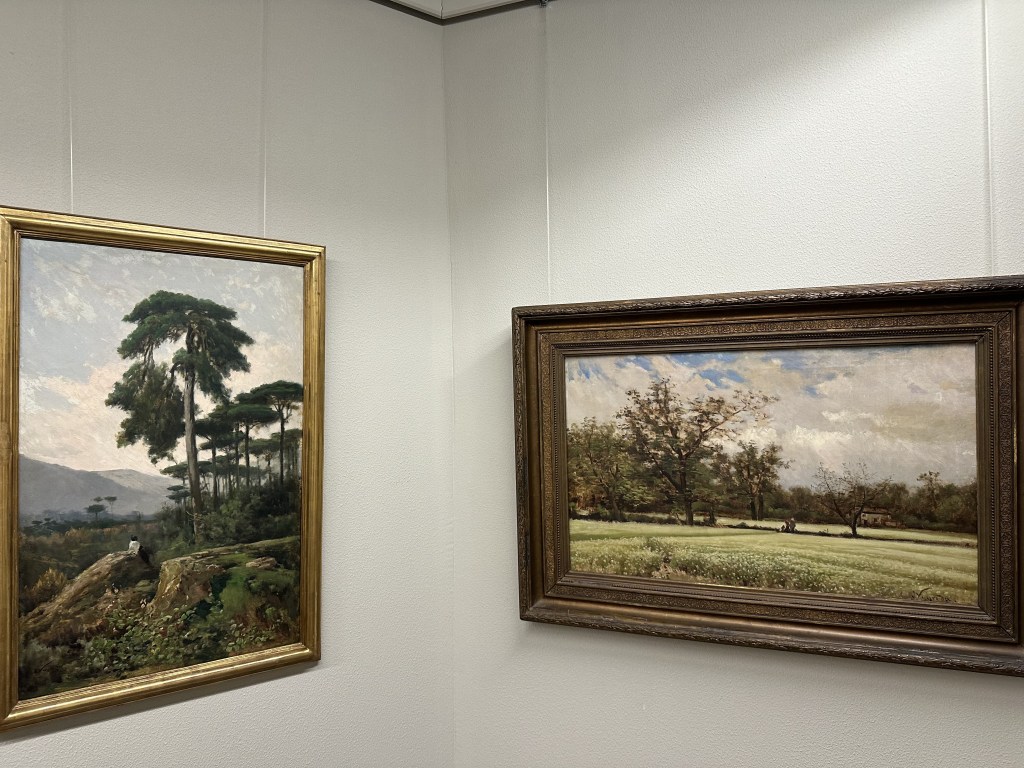
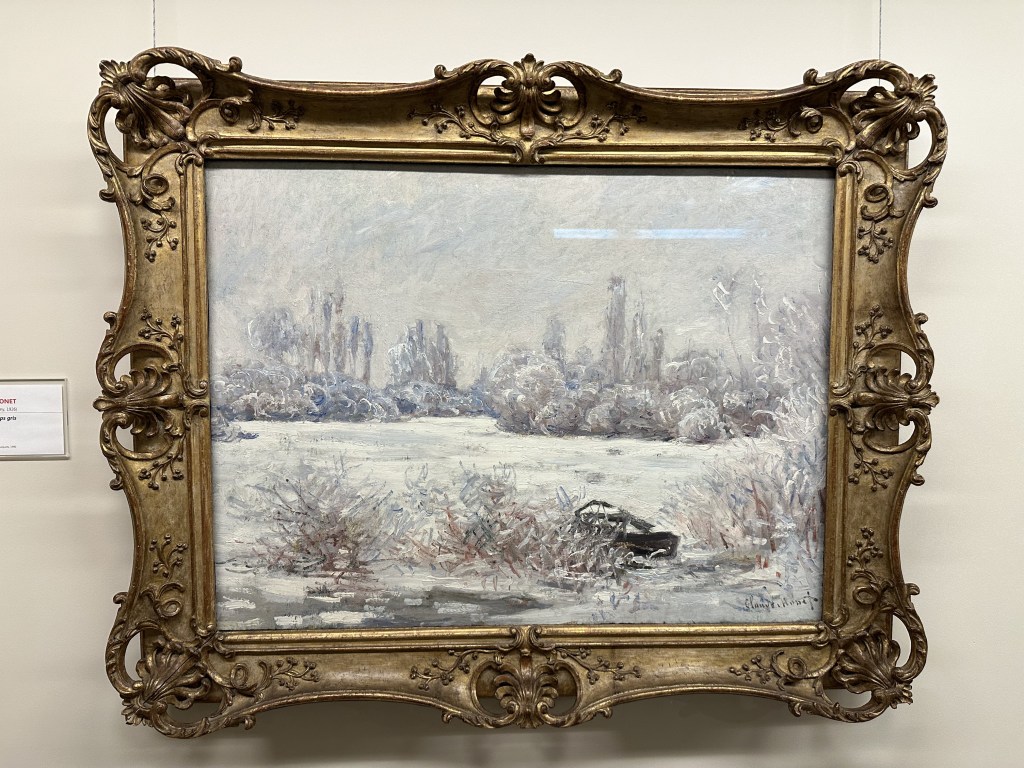
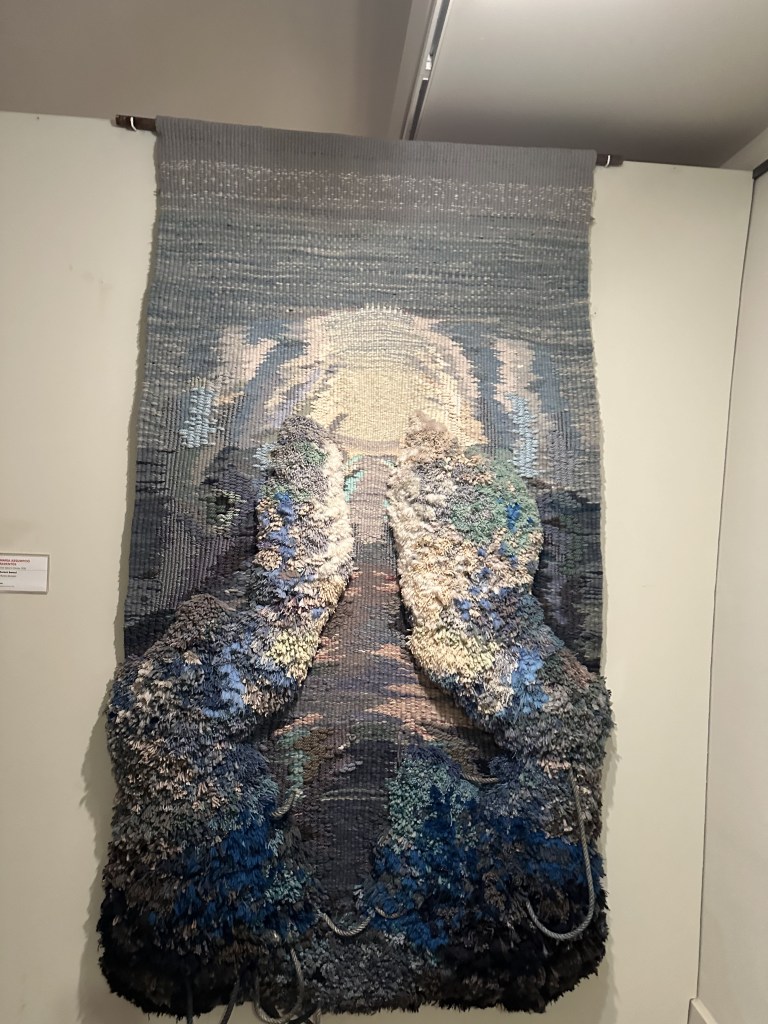
The museum’s collection spans various periods, from ancient artifacts to modern art. It includes works by renowned artists such as El Greco, Caravaggio, and Monet, each contributing to a broader understanding of European and Catalan art history. The presence of these masterpieces in Montserrat highlights the abbey’s historical role as a center of culture and learning. The collection also features Catalan artists who played significant roles in the region’s artistic development, such as Ramon Casas and Josep Puig i Cadafalch.
Montserrat itself has been a site of significance throughout Catalonia’s history, especially during periods of political upheaval. During the Spanish Civil War, the abbey served as a refuge and symbol of Catalonian resistance against Franco’s forces. This historical context adds depth to the experience of visiting Montserrat, making it not just a place of natural beauty but also a symbol of enduring faith and resilience. The abbey’s library, with its extensive collection of manuscripts and books, provides further insights into the intellectual and cultural history of the region.
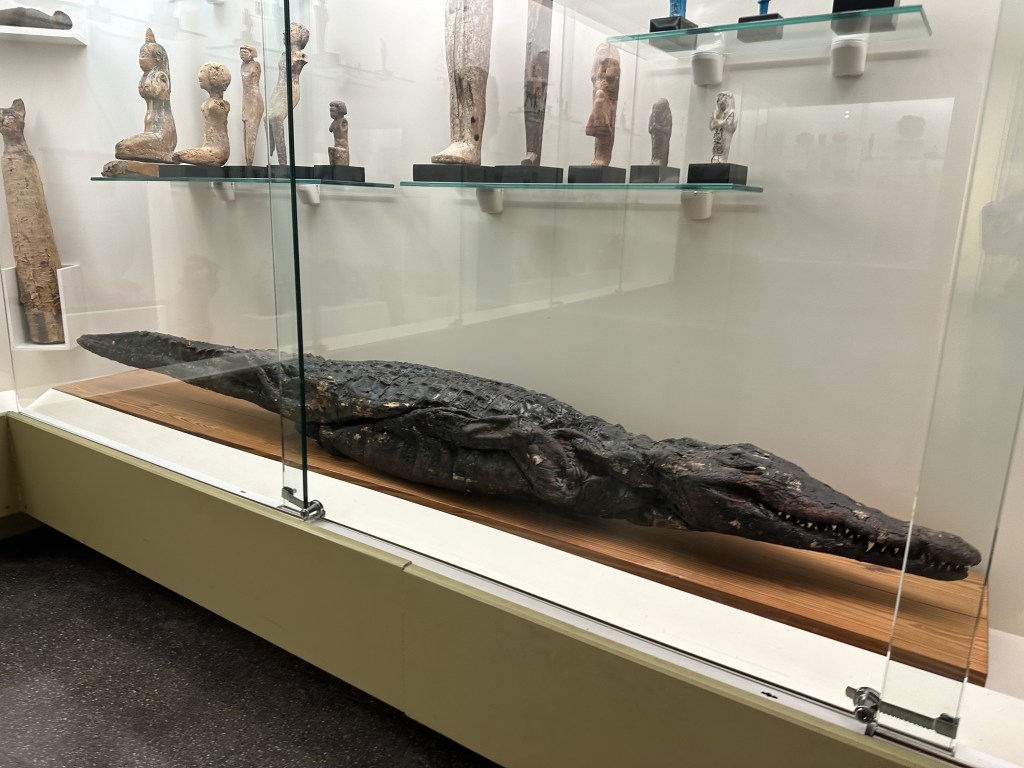
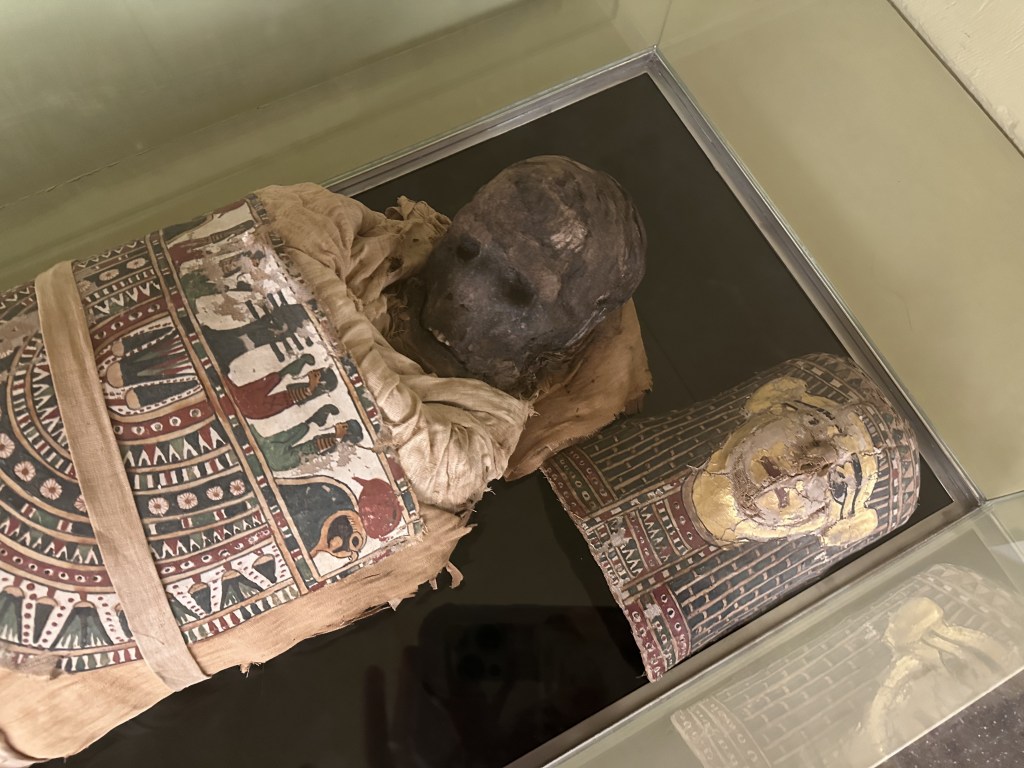
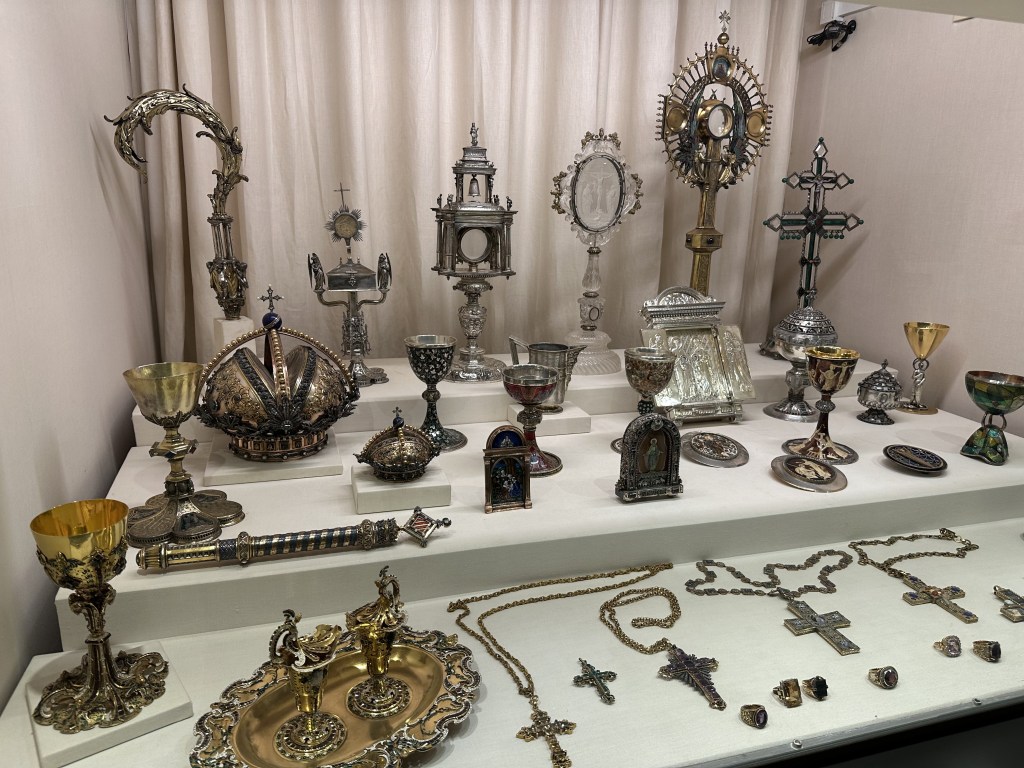
Walking through the Montserrat Museum, I was struck by how art and history intertwine to tell the story of Catalonia. The collection not only showcases the region’s artistic achievements but also reflects its ongoing struggle for identity and autonomy. The exhibits include artifacts from the ancient Iberians, Roman relics, and medieval manuscripts, each contributing to a comprehensive narrative of Catalonia’s past.
Montserrat, with its stunning scenery and rich history, offers a unique perspective on the enduring spirit of the Catalan people. The combination of natural beauty, religious significance, and cultural heritage makes it a place of profound importance. As I left Montserrat, I felt a deep sense of connection to the region’s history and a renewed appreciation for its artistic and cultural legacy.


 Revolutionary Cities