
Exploring the Stories of Catalonia’s Past
Visiting the Museo de Historia de Catalunya was an immersive journey through the rich and tumultuous history of Catalonia. Located in Barcelona’s Palau de Mar, the museum is dedicated to preserving and narrating the region’s unique cultural heritage and its ongoing struggle for identity and autonomy.
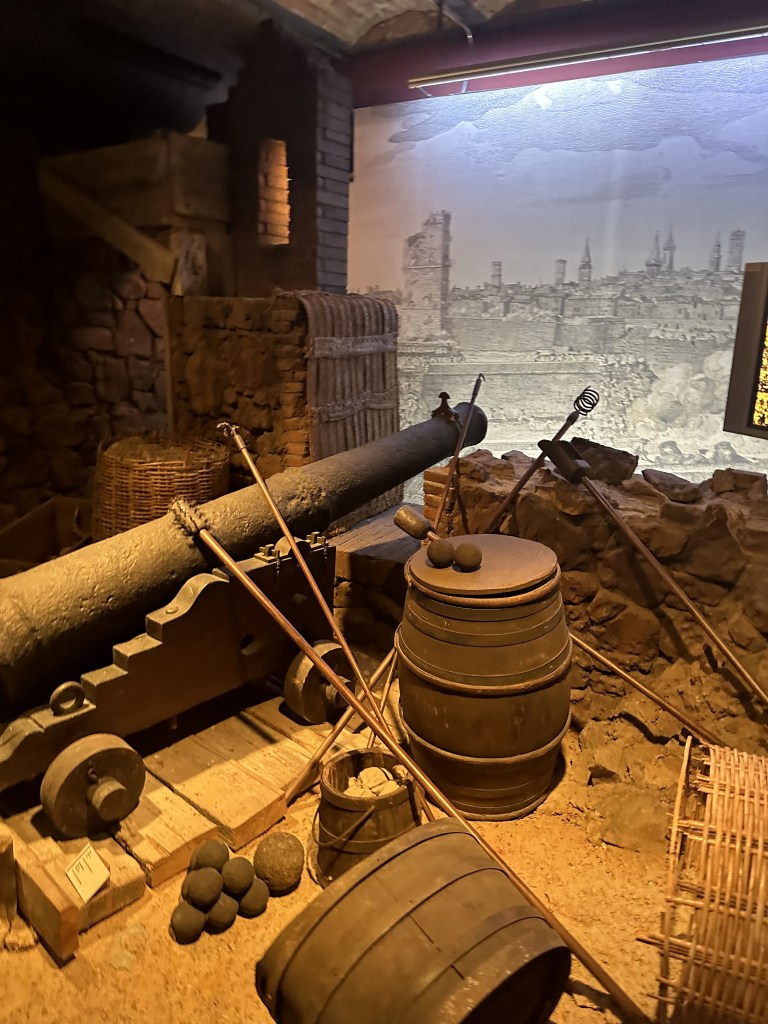
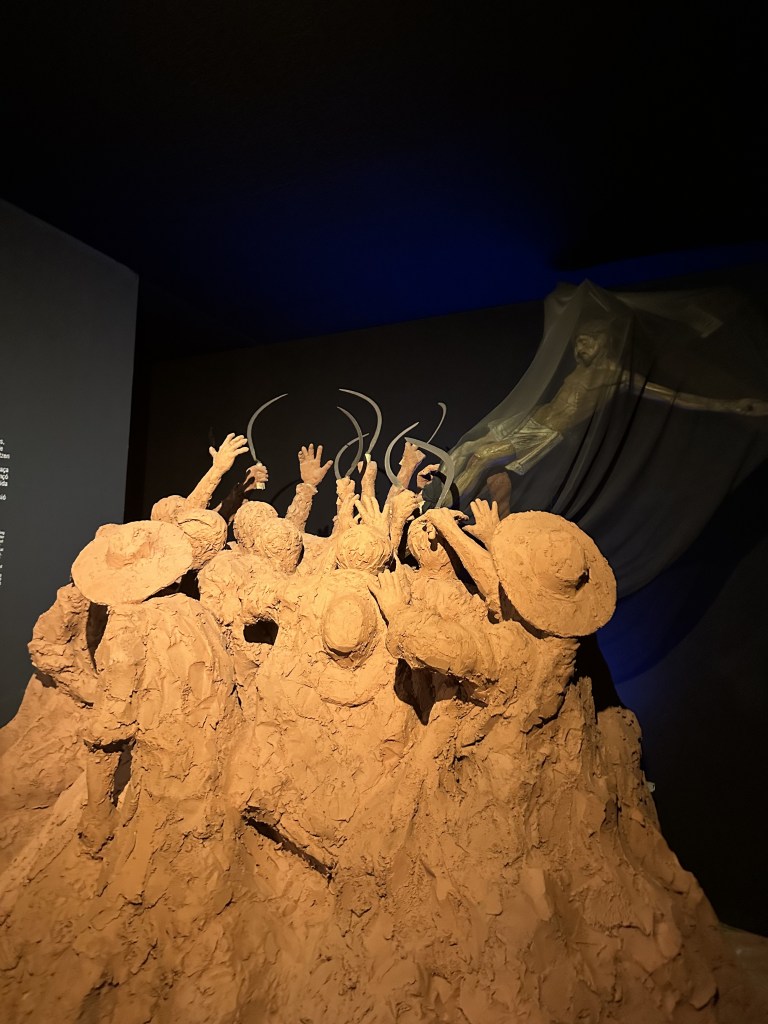
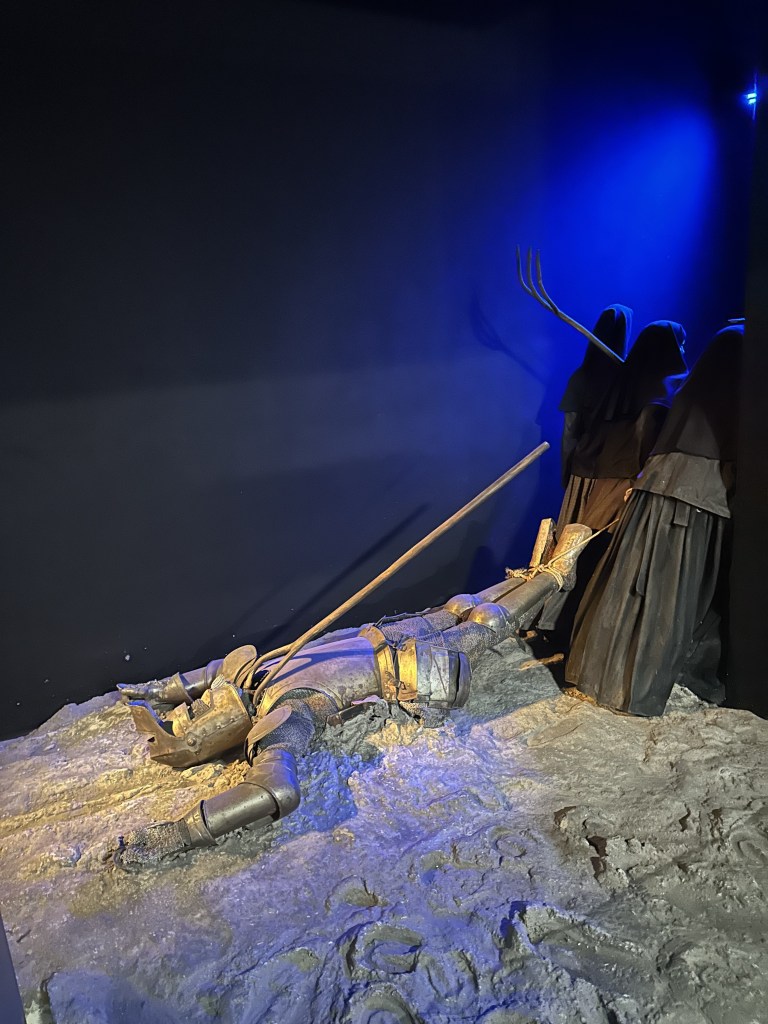
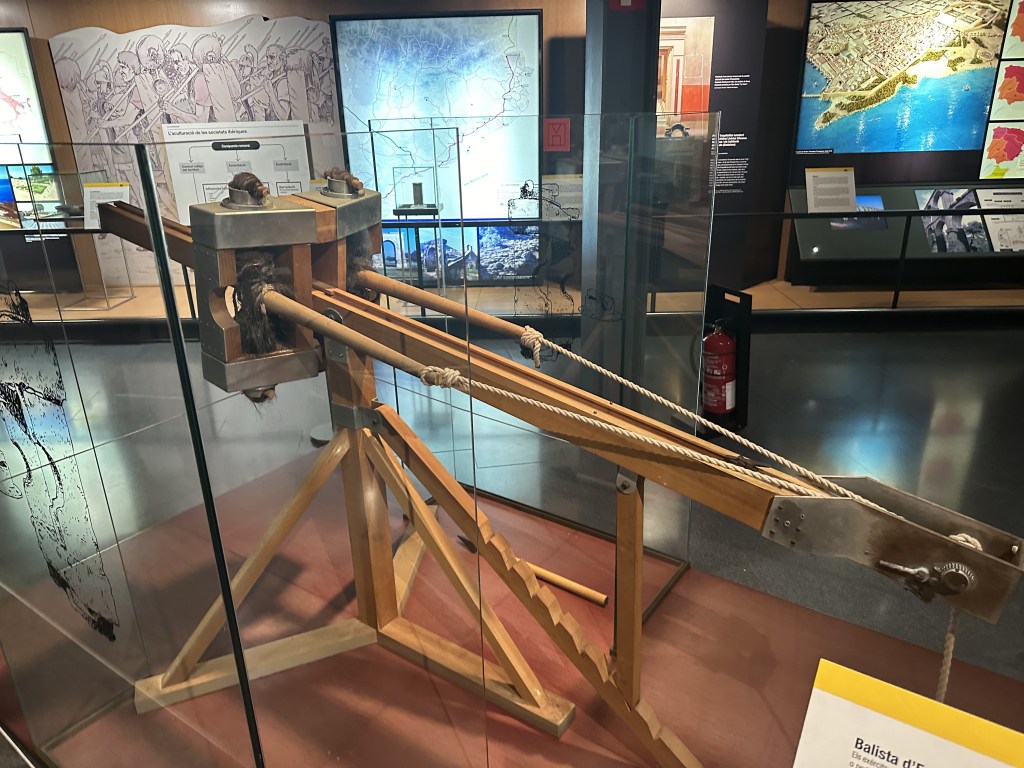
The museum’s exhibits are meticulously organized to take visitors through different historical periods, from prehistoric times to the present day. One of the most striking sections was the display on the Catalan Revolt (1640-1659), a significant uprising against the Spanish monarchy’s attempts to centralize control. This revolt was pivotal in shaping Catalonia’s identity and its persistent resistance against external domination. The detailed dioramas and artifacts from this period vividly bring to life the fervor and determination of the Catalan people as they fought to maintain their autonomy. The intricate models of battles and the array of period weaponry offer a tangible connection to this intense period of resistance.
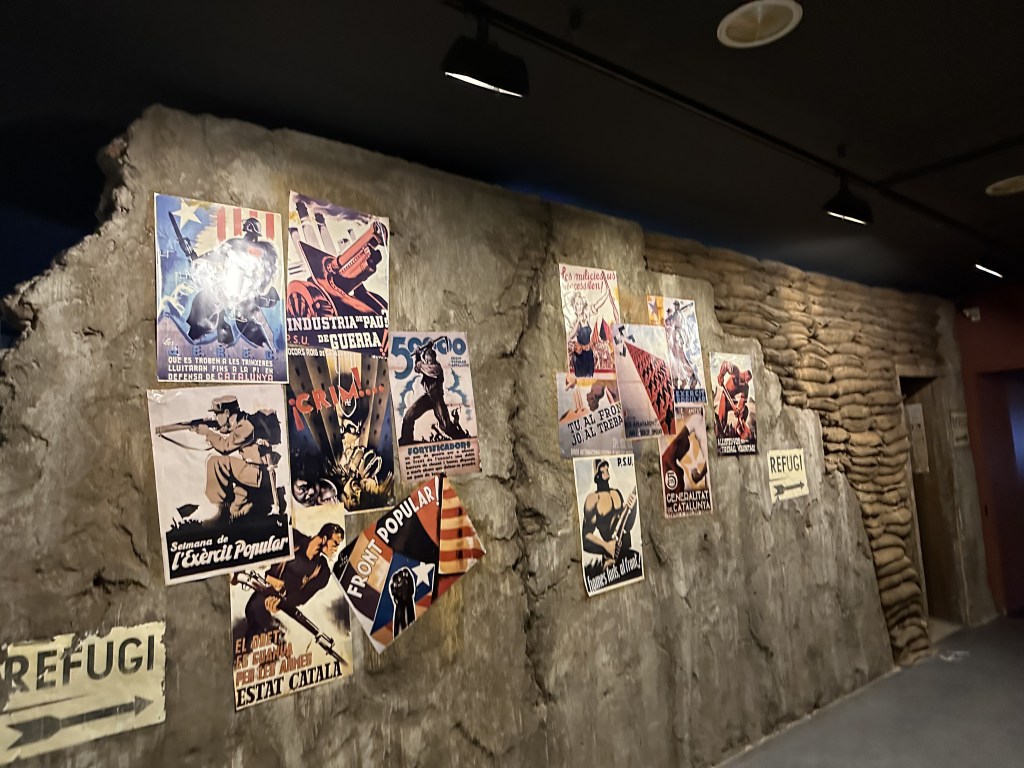
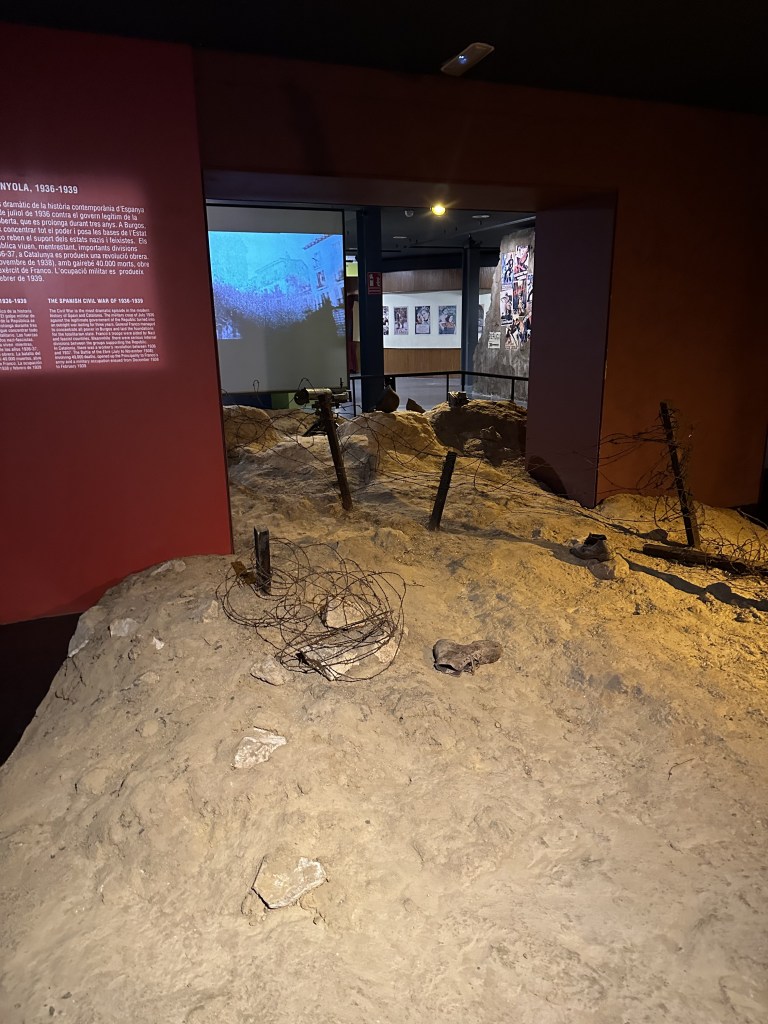
Another highlight was the section on the Spanish Civil War and its profound impact on Catalonia. The vivid photographs, personal accounts, and artifacts showcased the brutal realities of the war and the Franco regime’s subsequent oppression. It was a stark reminder of the region’s resilience and the enduring spirit of its people. Particularly moving were the sections dedicated to the Republican efforts and the role of Catalan volunteers who joined the International Brigades. The museum’s extensive collection of wartime posters, uniforms, and personal letters provides a poignant glimpse into the lives of those who endured the conflict.
In addition to these historical exhibits, the museum also features contemporary displays that illustrate the ongoing political and cultural movements advocating for Catalan independence. The multimedia installations and interactive displays allow visitors to engage with recent events, such as the 2017 independence referendum and the subsequent political fallout. These exhibits not only inform but also provoke reflection on the complex and often contentious nature of Catalan identity.
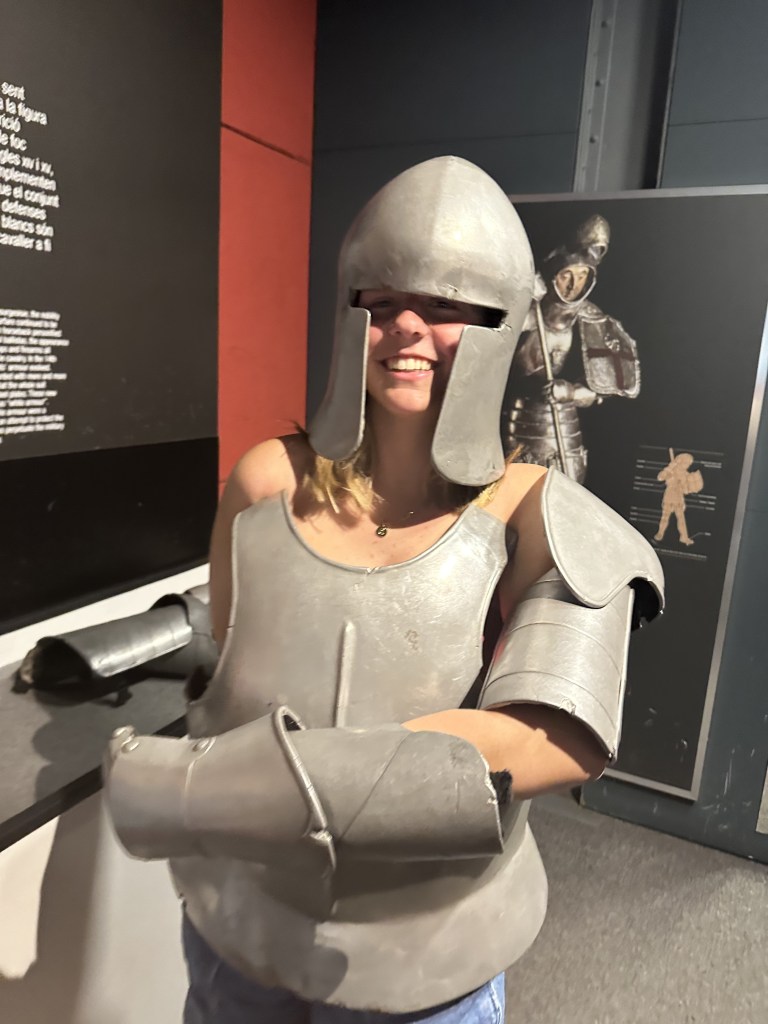
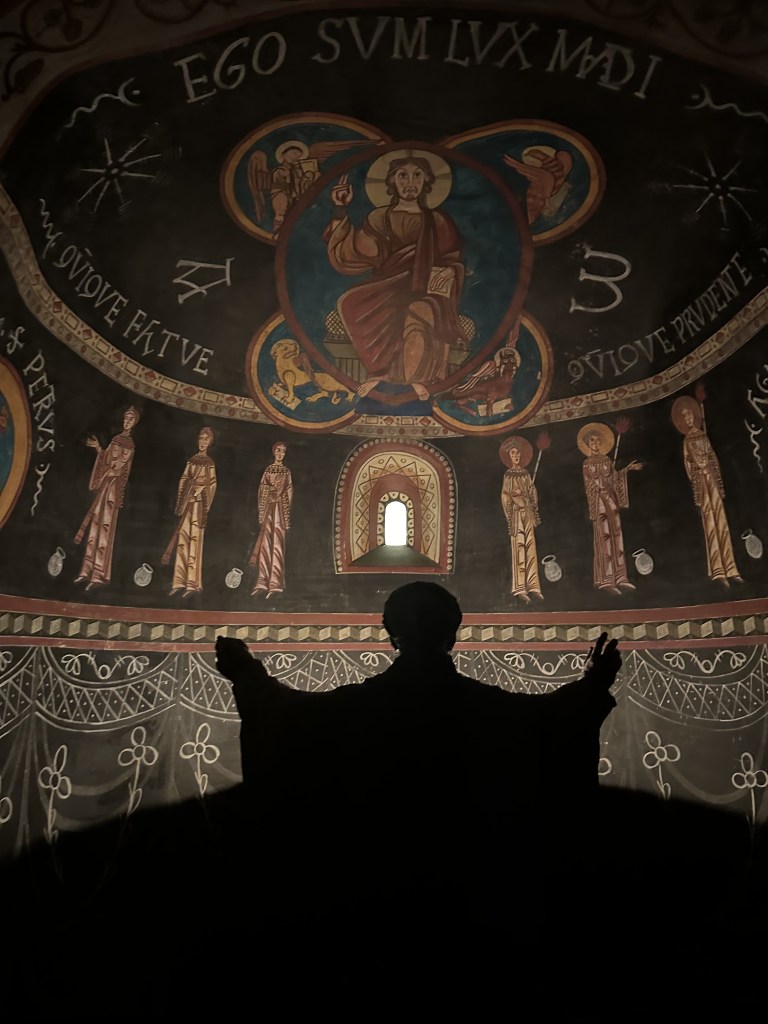
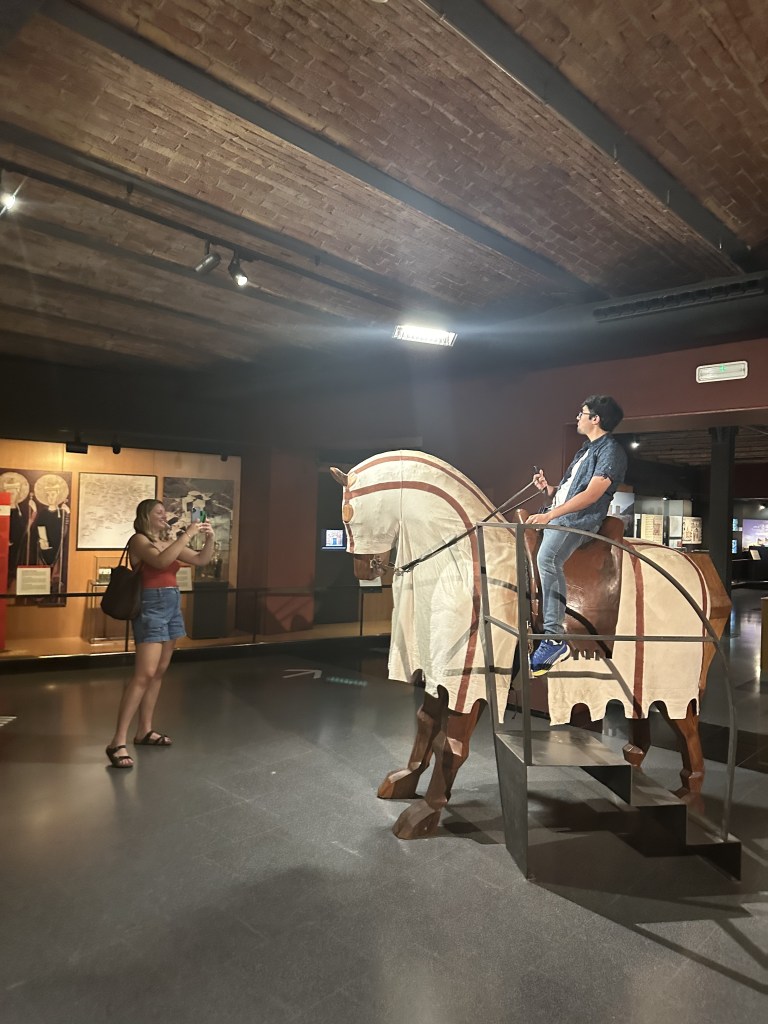
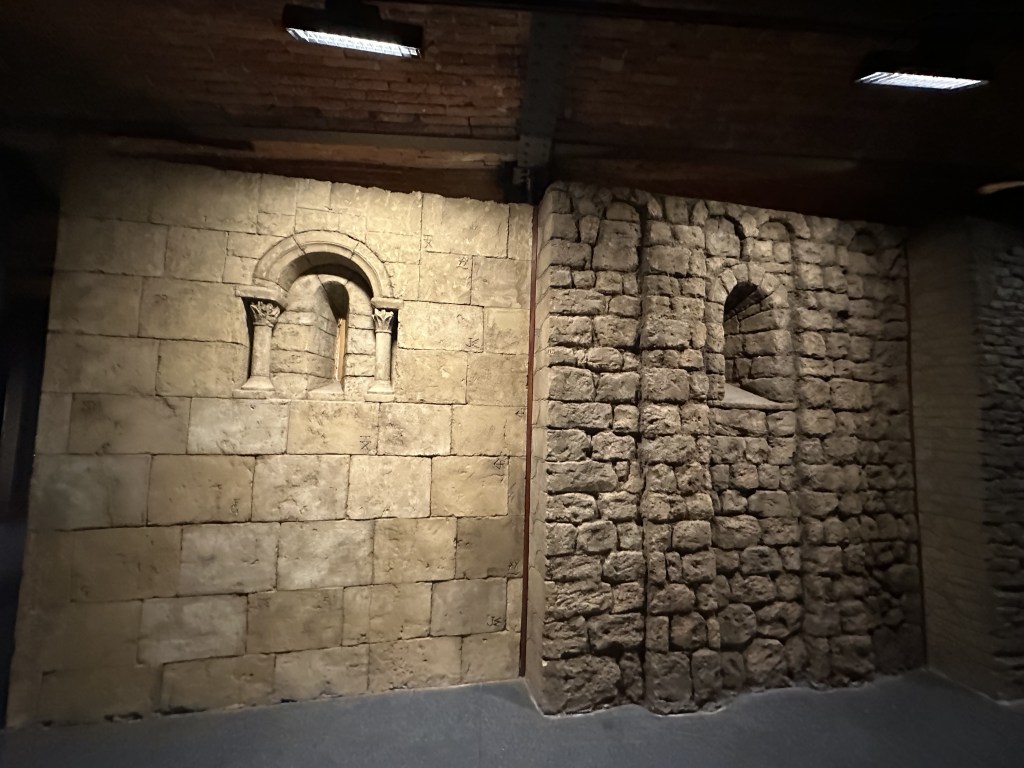
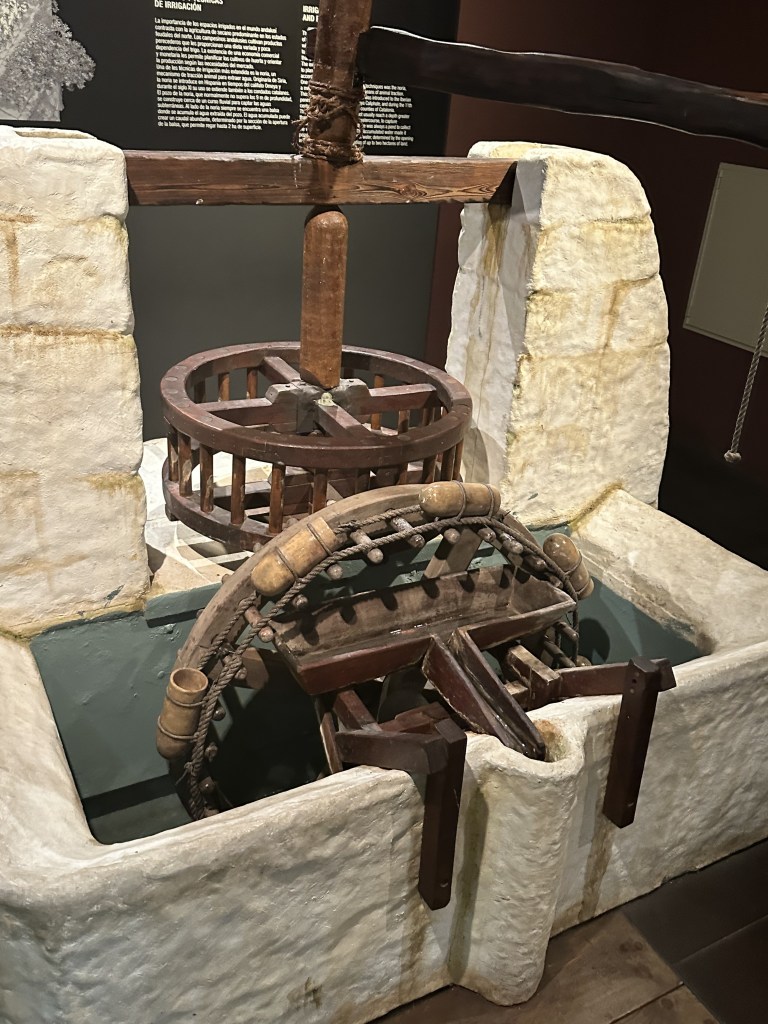
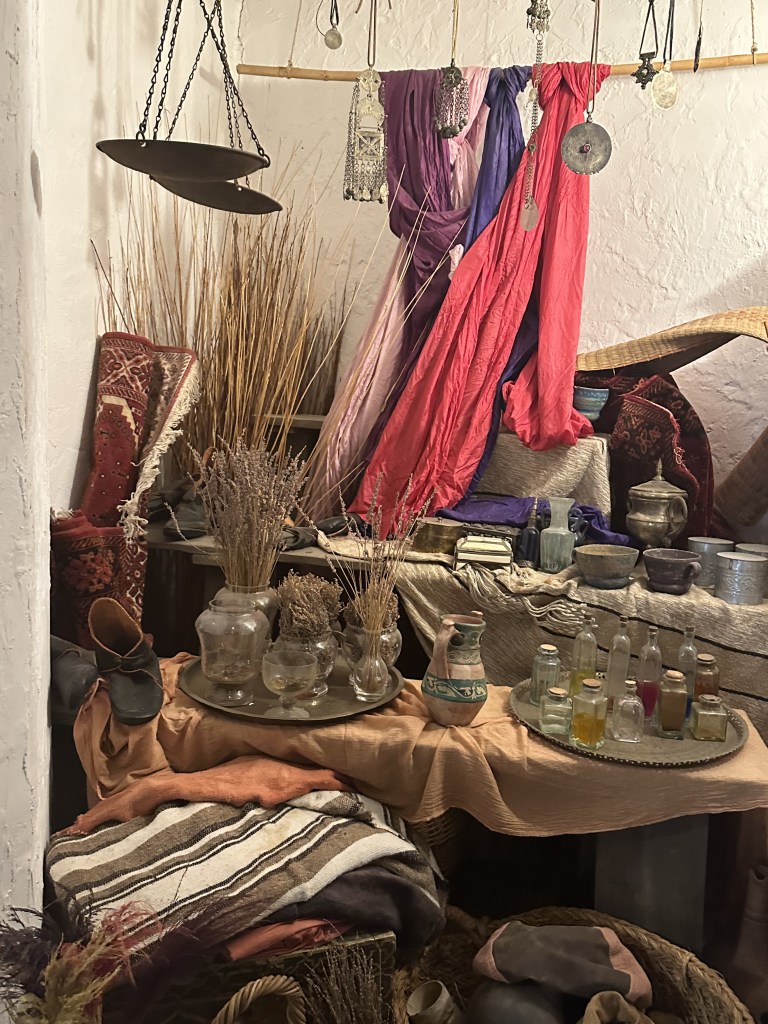
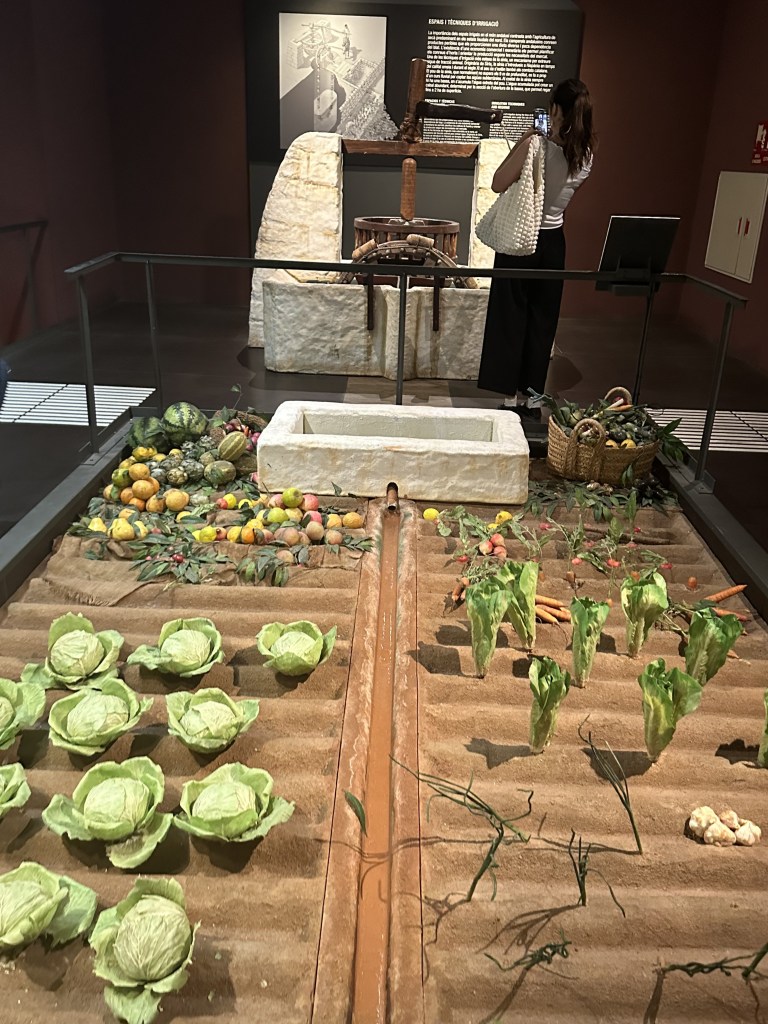
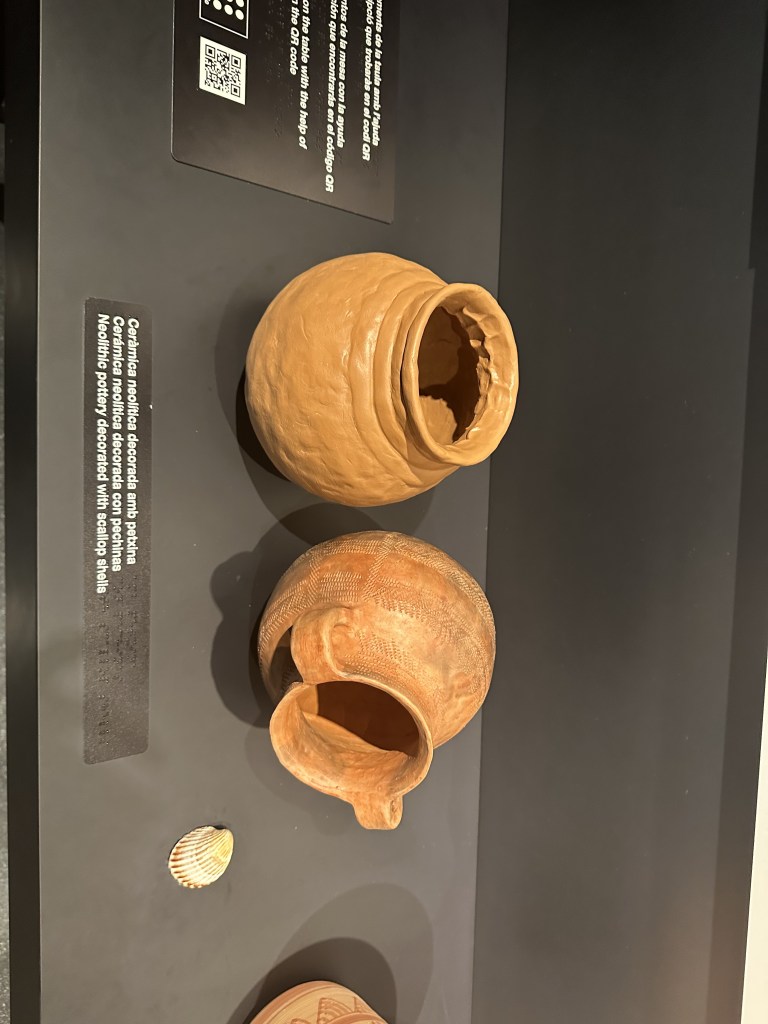
The Museo de Historia de Catalunya doesn’t just present history; it makes you feel it. Each exhibit is designed to engage visitors on a deeper level, encouraging reflection on how past events shape present-day Catalonia. The detailed recreations of historical scenes, combined with personal testimonies and interactive elements, create a vivid and immersive experience. Exhibits had props, moving water, replicated tools, recreated smells, and other elaborate set ups. It was a moving experience that deepened my understanding of the region’s history and its unyielding quest for self-determination. This visit underscored the importance of preserving and understanding history, particularly in a region with such a distinct and ongoing struggle for recognition and autonomy.





 Revolutionary Cities