
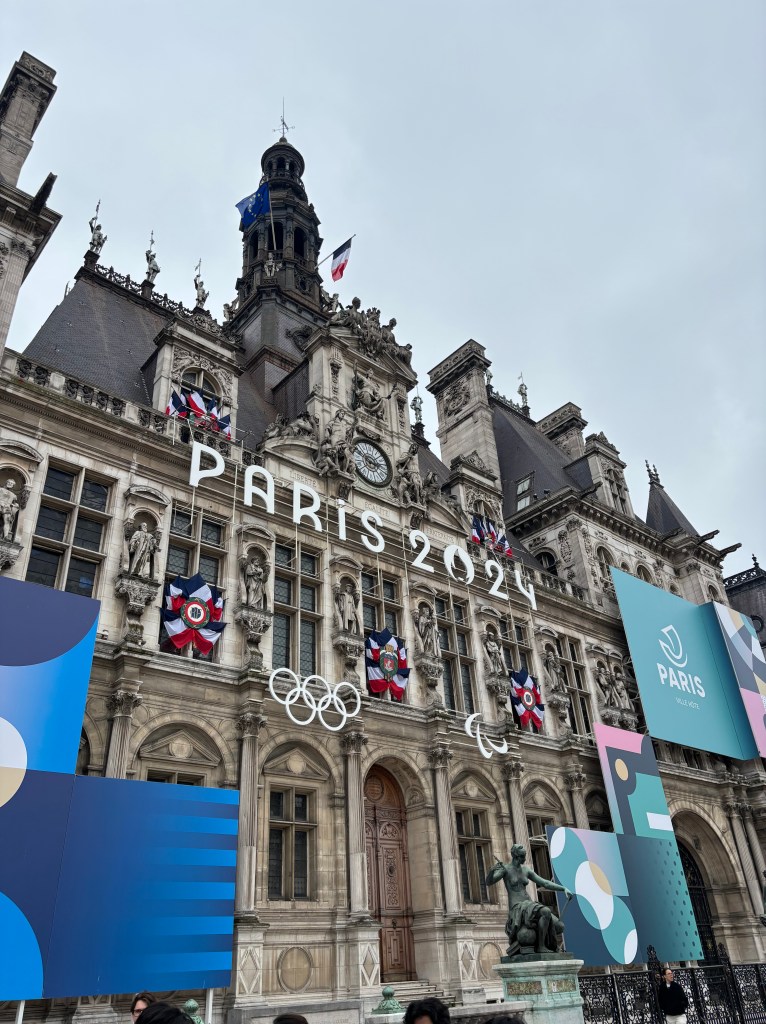
The Olympics captivates global audiences with its display of athletic excellence and cultural celebration. However, hosting the Olympics can have profound and varied impacts on the host cities. On one hand, the Olympics can have a positive impact on the economy, and urban development, and enhance the infrastructure for the host city. On the other hand, there are high costs that come with hosting the Olympics, the potential for wasted facilities, new or worsened displacement and gentrification, and security concerns. When a country bids to host the Olympics, it is hard to tell whether their Olympics will be a success story, like Barcelona, or a less positive thing, like Rio.
For several reasons, the 1992 Games in Barcelona were a huge success at the moment and had a positive, lasting impact on the city following the Olympics. For one, the citizens of Barcelona were really excited about participating in the setup for the Games. The citizen engagement led to efficient management of the Games and Opening Ceremonies. The Games also stand out because of their economic success. Even to this day, Barcelona sees its own history in two parts: before and after the Games. Additionally, the public spaces, new infrastructure, and major cultural facilities that were built for the Olympics marked a new milestone in the creation of Barcelona as we know it today. Some people will tell you that it was the ‘92 Games that “put Barcelona on the map” (quote from museum plaque). Because the Games “put Barcelona on the map” tourism increased exponentially in Barcelona following the games, which in turn, improved the economy in Barcelona. Before the Olympics, Barcelona was not considered one of Catalonia’s most important cities to visit. After 1992 though, Barcelona began to receive huge numbers of tourists who have now made Barcelona the main tourist destination in Spain. Another thing to note when thinking about the success of the Barcelona Games is the fact that many of the facilities built for the Games are still used today. Often times we see countries build huge sports arenas and new infrastructures that go to waste following the Olympics. This is a huge waste of money and land, and is horrible for the environment. The fact that Barcelona continues to use these structures, once again speaks to the planning and success of the ‘92 Games.
Unfortunately, not all cities/countries are as successful as Barcelona was in putting on a successful Olympics. For example, the 2016 Rio Olympics faced numerous immediate and long-term challenges that tarnished its legacy. Immediately, the event was plagued by logistical issues, including incomplete venues and infrastructure problems, such as polluted water venues that posed health risks to athletes. These issues were compounded by severe budget constraints and economic instability in Brazil. Long-term, many of the Olympic venues have not been repurposed effectively. Additionally, the promised economic and social benefits have largely failed to materialize, leaving a legacy of debt and missed opportunities for local communities. This outcome has sparked broader discussions about the sustainability and impact of hosting the Olympics, especially in countries facing economic difficulties.
When thinking about both the stark comparison between Barcelona and Rio and the Olympic exhibit in the Deportation Museum in Paris, I couldn’t help but wonder how the 2024 Games will affect Paris. Obviously, this is not easy to predict. For one, Paris’s economy is healthy and strong compared to Rio’s. They have the necessary infrastructure already in place. They have a reliable public transportation system and lots of hotels because they are used to large numbers of tourists. Also, lots of new jobs have been created in Paris to help prepare for the Games which is helping the economy for now. However, the French public is skeptical about how the Olympics will go. For one, the costs of public transport will be raised for visitors and residents of Paris during the Olympics, and areas around the Olympic sites will be made into “red zones” and will make it very difficult for Parisians to get around. Additionally, French citizens are not super enthusiastic about the games and seem to have a pessimistic attitude about their success. This is totally understandable given the things listed above. When considering all of these things, it seems as if the Olympics will be economically beneficial for Paris. They are expected to have a huge influx of tourists and since a majority of the infrastructure is already in place, they will end up spending smaller sums of money preparing. The economic success of the Games is not the only success metric to consider though. For one, if the Games disrupt residents’s daily lives, make public transportation unaffordable or unbearable, or create a logistical nightmare in the city, the Olympics will not be remembered fondly by Parisians. (The information about the build-up to the Games is from The Guardian) This should cause the government to step back and think about the well-being of its citizenry before focusing on economic benefits.
Something else to consider, that has been true for the majority of the Olympics up until now and will most likely be true for Paris too, is the environmental impact that the Games have on a city. The Olympic Games often have a significant negative environmental impact, primarily due to the construction of new infrastructure and venues and increased pollution. The energy consumption associated with hosting the games, along with the influx of visitors, can lead to heightened greenhouse gas emissions. Additionally, the construction and event staging frequently require substantial resources which can strain local resources and create waste. Post-event, many facilities often remain underused or abandoned. These factors collectively challenge the sustainability claims of the Olympics, prompting a reevaluation of practices to reduce ecological footprints.
 Revolutionary Cities