
Artistic expression is not always free. This was made evident on our visit to the Catalonian National Museum of Art. Each room of the modern art section contained a detailed description of the artistic movement of the pieces that followed. However, to fully understand these art pieces, the descriptions gave explicit detail on the historical and political background of each period, and how their influence is reflected in each of these artistic movements.
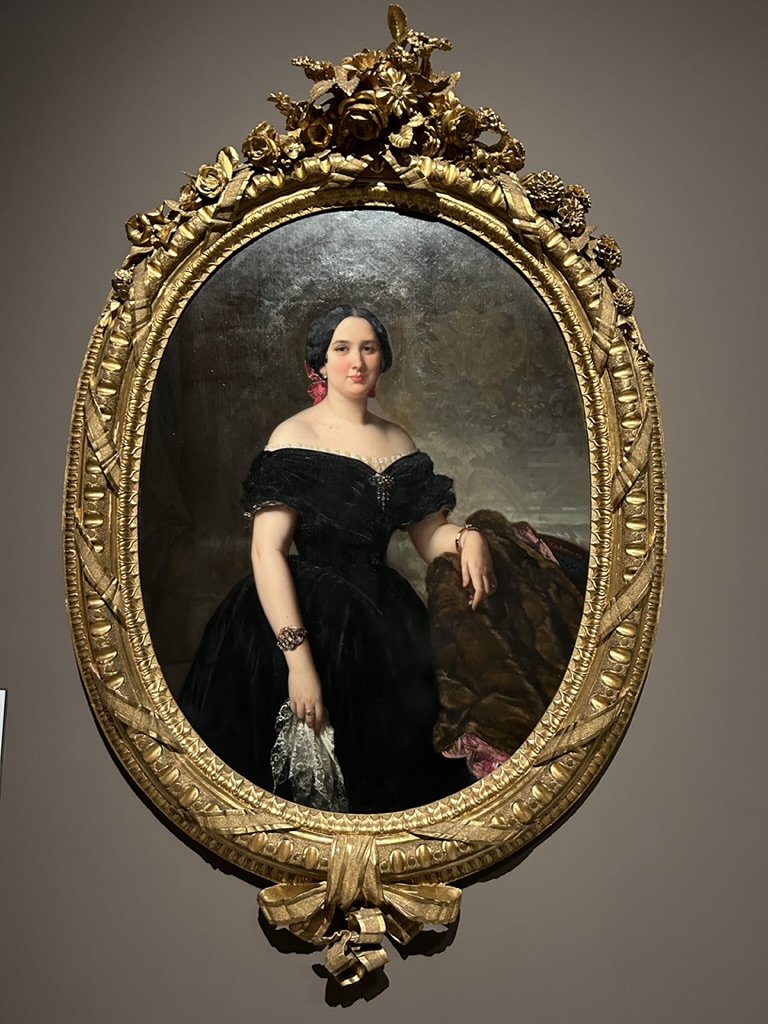
One particular description that struck me was that underneath the bourgeois portrait. The portrait depicted the opulence and wealth of bourgeois society, but in contrast, these portraits were painted by artists who existed outside this class of society. As described in the museum, this bourgeois art is an exception to typical art that modernist artists produced during the period. Modernists traditionally sought to challenge the class hierarchy of the bourgeois through their work rather than reaffirm it. Nonetheless, they would still create these bourgeois portraits.
Some would view this as contradictory to both their artistic and ideological commitments, however, this exhibit prompted me to do further reflection. Is it a betrayal of your convictions to work out of necessity? This is the fundamental question behind the criticism raised toward the modernist artists who produced elegant portraits for the bourgeois to make a living.

The act of making portraits for the bourgeois was not one of betrayal but rather an act of survival under capitalism. Artists, in this case, are not ideologically compromised for responding to the economic incentives of the system they are forced to exist under. Dr. Bjork James previously discussed how the division of labor in industrial society causes alienation between workers and the products of their labor. In a similar sense, the artistic expression of modernist artists meets the same fate under capitalism. Out of necessity, the spirit of their free expression is distorted and corrupted as artists are forced to temporarily abandon their ideals of subverting class hierarchy to produce bourgeois art.
While this reality of artistic distortion seems bleak, there might be an optimistic way to view this dynamic. The art of the modernist movement is a reflection of the lived experiences and ideologies of these artists. An ideological motivator for these artists is their lived story of alienation through being forced to produce bourgeois art to survive. Therefore the subversive art of the modernists embodies this struggle and is only made possible through the lived experience of this working dynamic. In other words, artistic resistance is born from repression.
 Revolutionary Cities