
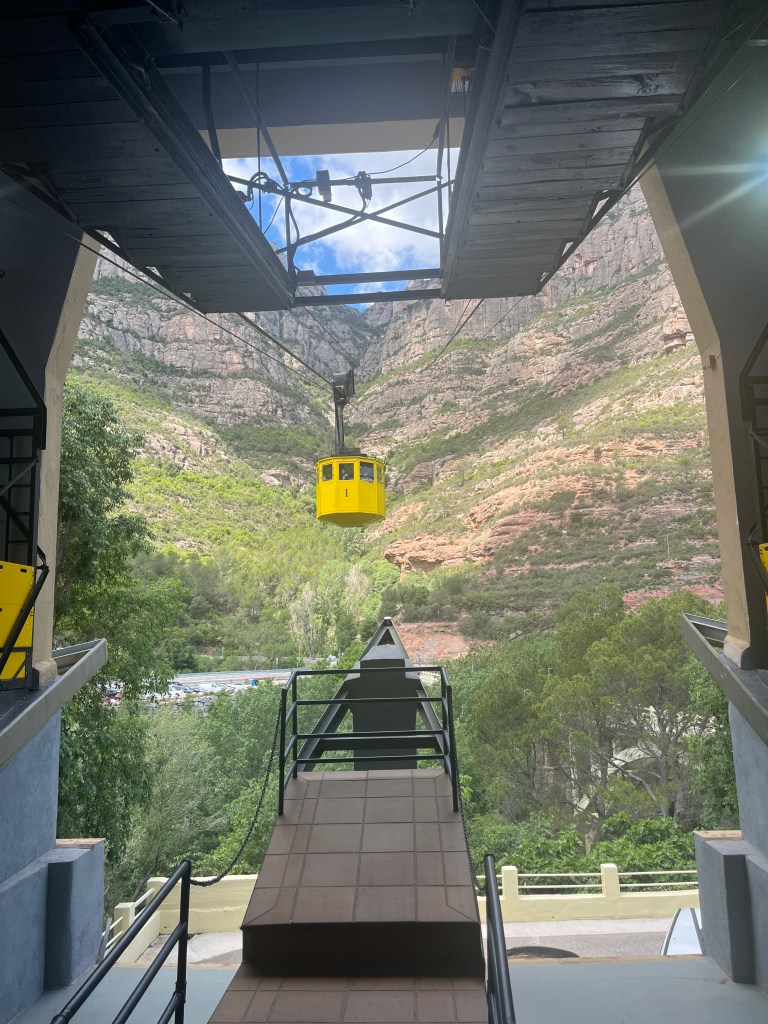
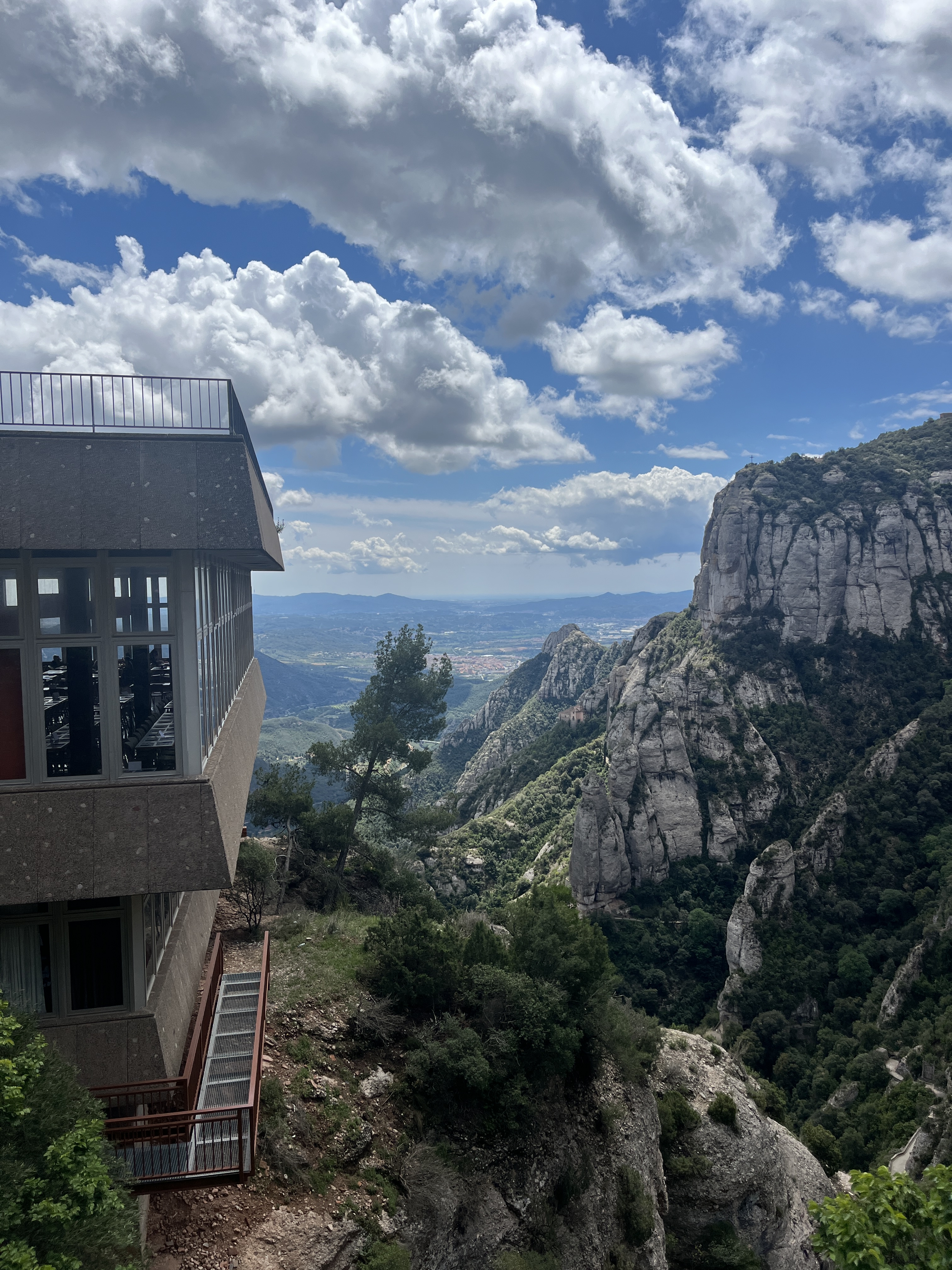
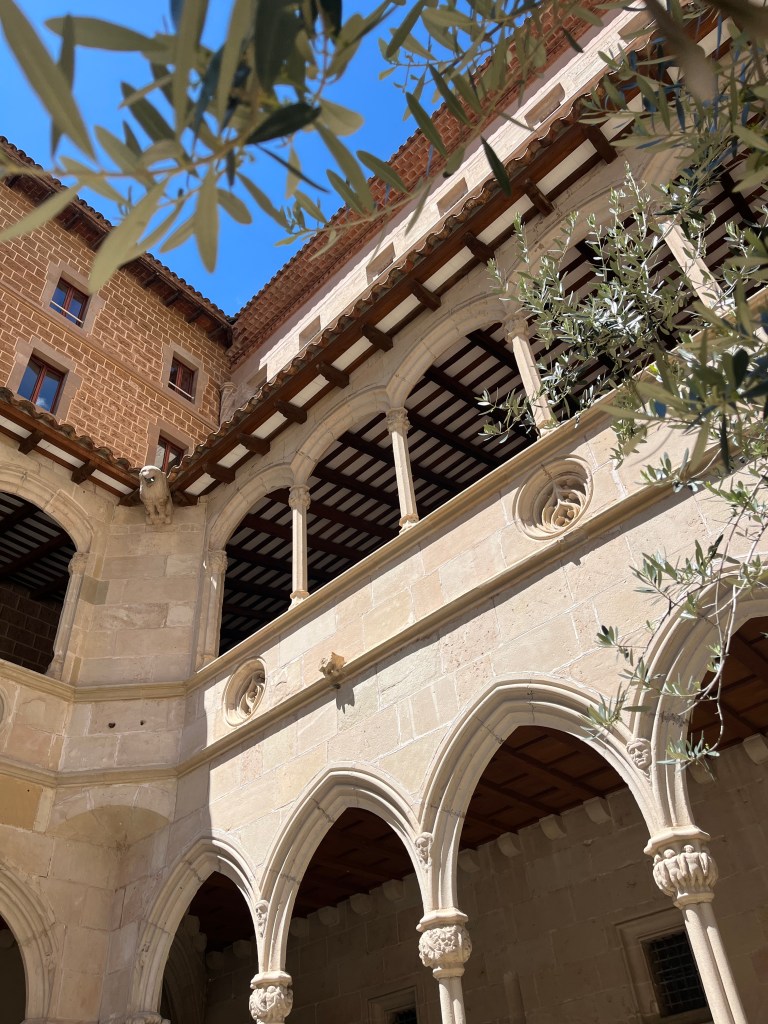
Perched atop the rugged peaks of Catalonia, the Montserrat Monastery stands as a testament to the rich cultural and religious fabric of Barcelona and Catalonia more broadly. As I ascended the mountain, tightly packed into one of the two yellow gondola lifts, the Monastery slowly emerged from the distance, its gorgeous details appearing from the unique rock formations as I rode higher and higher into the sky. This dramatic approach into the sky still could not have prepared me for the beauty that I would find, however, as Montserrat has served as a source of inspiration and value both artistically and religiously, housing a notable collection featuring artworks by masters such as Dalí and Picasso all atop a magnificent mountain system.
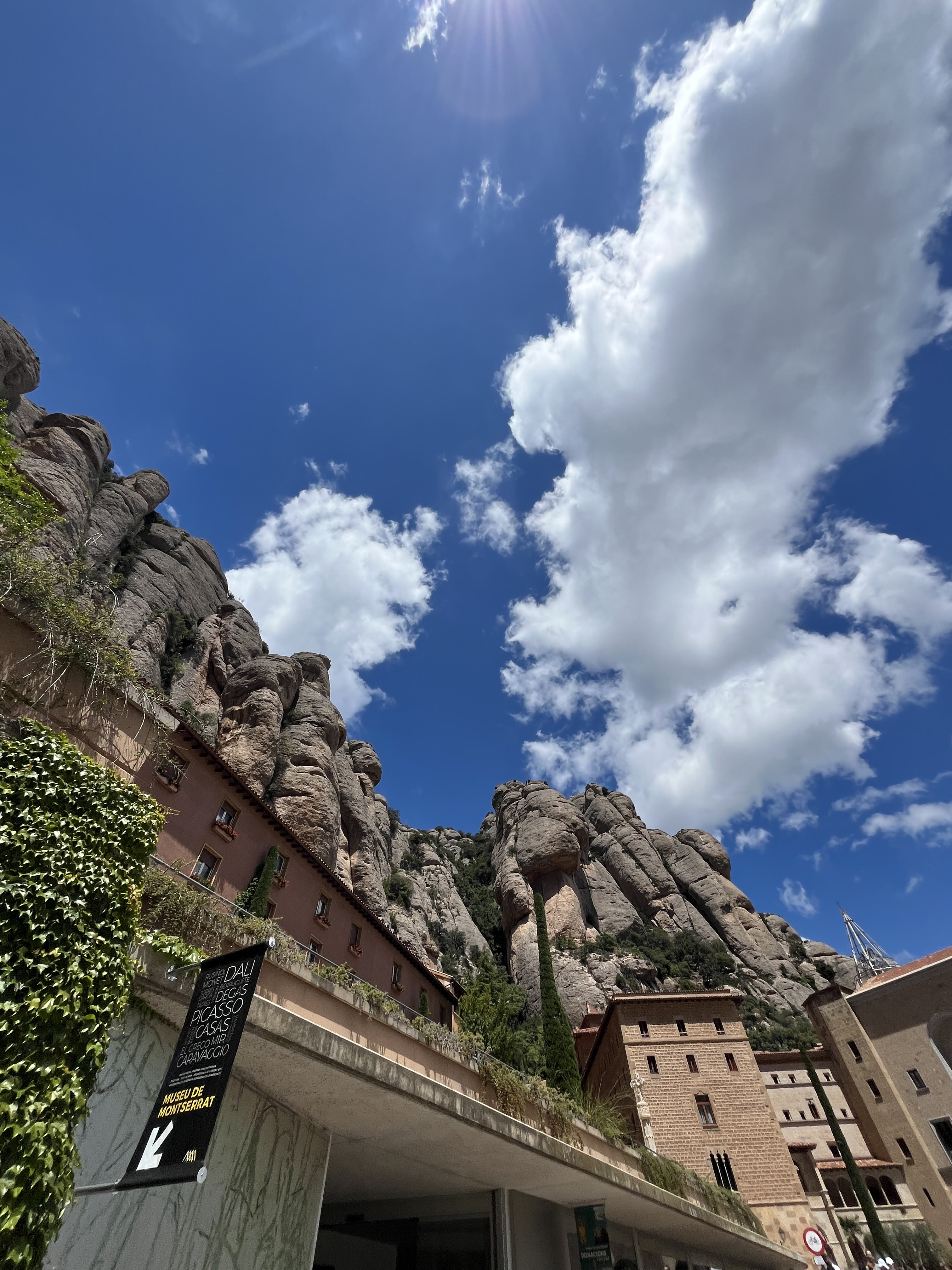
Beyond its religious significance, Montserrat has been a hub for artistic expression and cultural exchange, deeply influenced by the deep culture of Barcelona while also actively inspiring Barcelona itself. The city’s rich history as a center of visual arts is echoed in the Monastery’s museum, which not only houses religious artifacts but also an impressive collection of modern art. This collection reflects the monastery’s enduring engagement with contemporary culture, an engagement that is particularly poignant given Barcelona’s role as a nexus for artistic innovation in the late 19th and early 20th centuries. The impressive art collection at Montserrat offered me a narrative that spanned thousands of years, beginning with prehistoric and ancient Egyptian pieces followed by modernist and contemporary pieces.
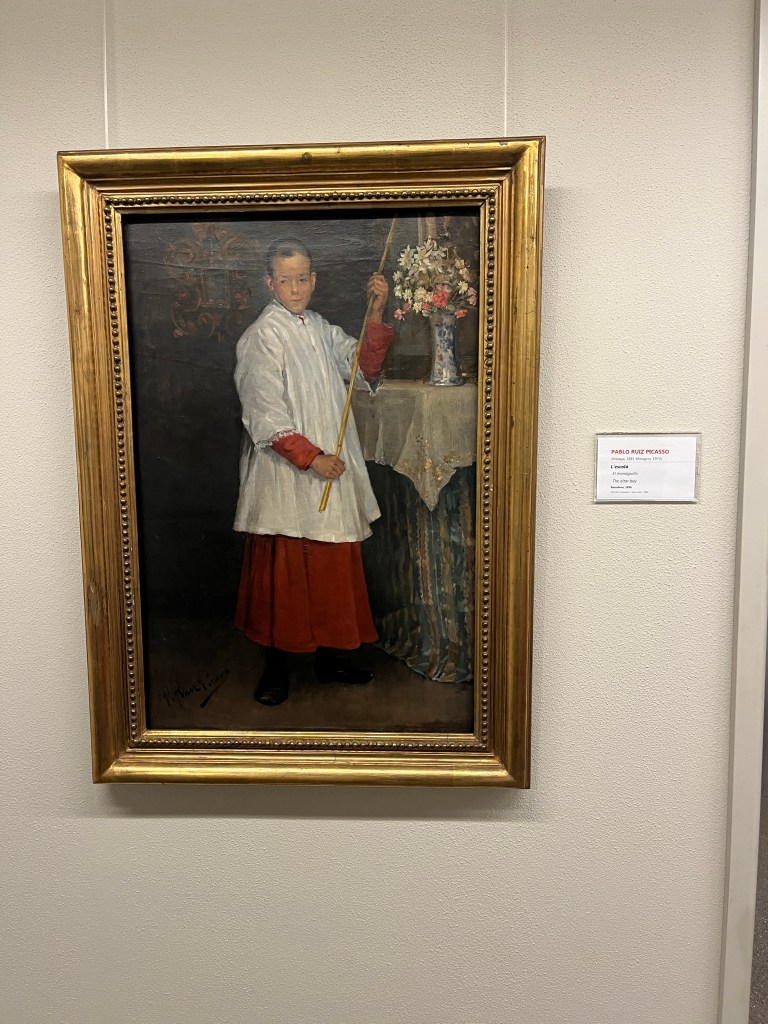
Moreover, the works demonstrated Montserrat’s critical history and role in broader cultural landscape of Catalonia, as well as Barcelona’s influence on regional art. In fact, clear trends emerged in the art produced during the from the 19th to 21st centuries, where artists, inspired by Barcelona’s city scapes and Catalonia’s flora, create works depicting their neighborhoods and distinctly Catalonian wildlife. These efforts clearly indicate the deeply rooted warmth that artists have nurtured with their home of Barcelona and Catalonia more broadly, and it further demonstrates Catalonia’s unique culture and history of its own.
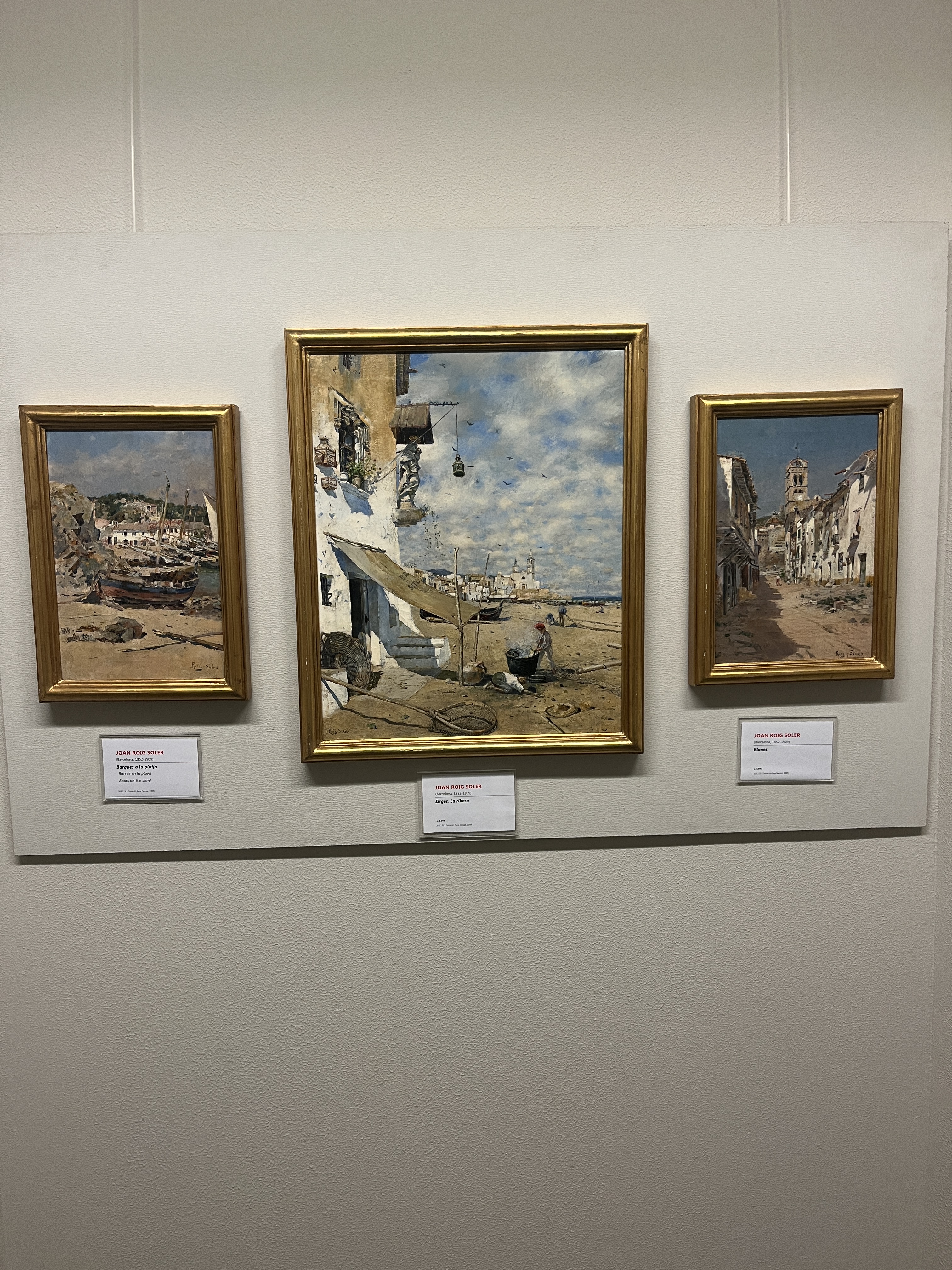
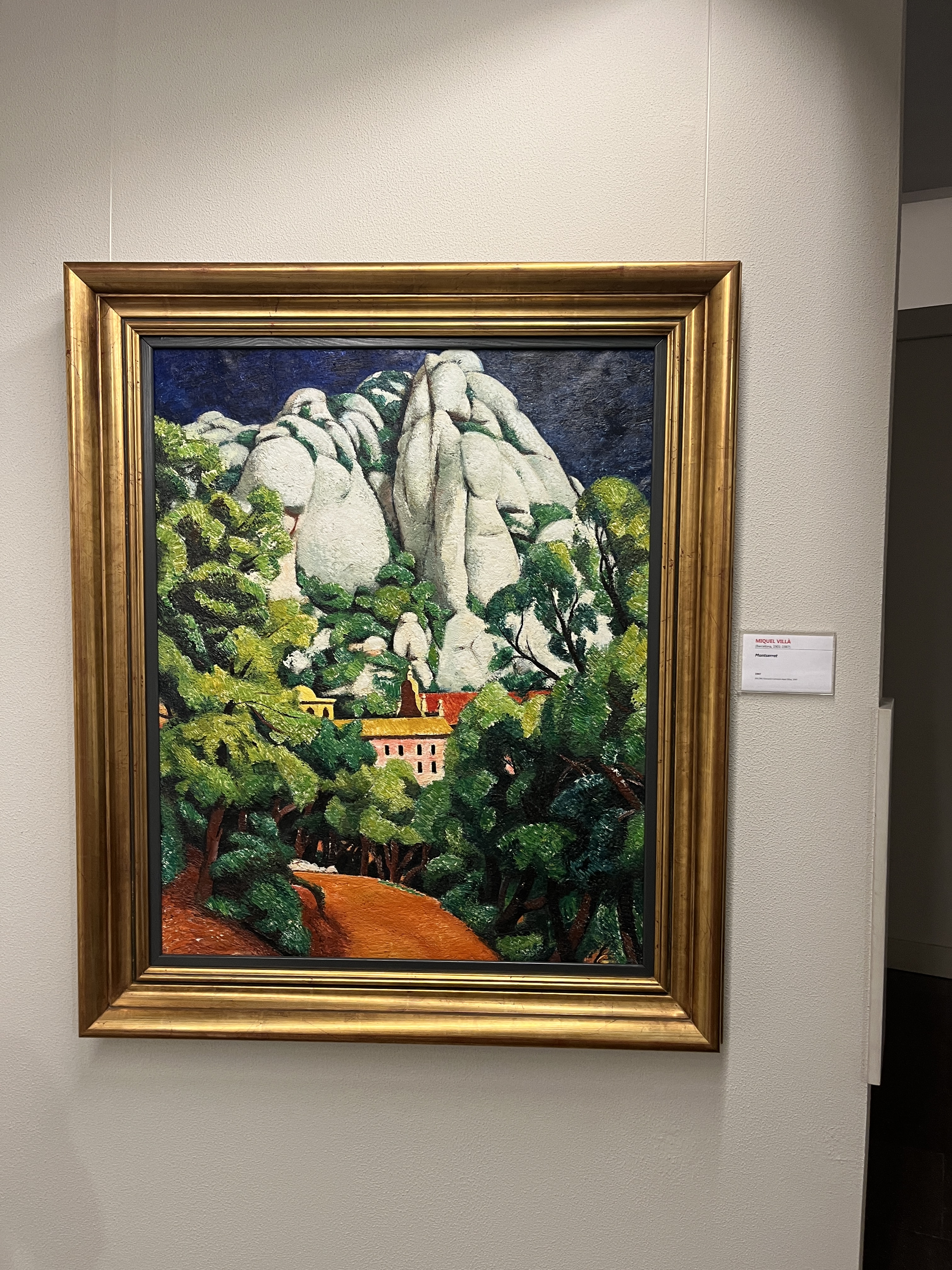
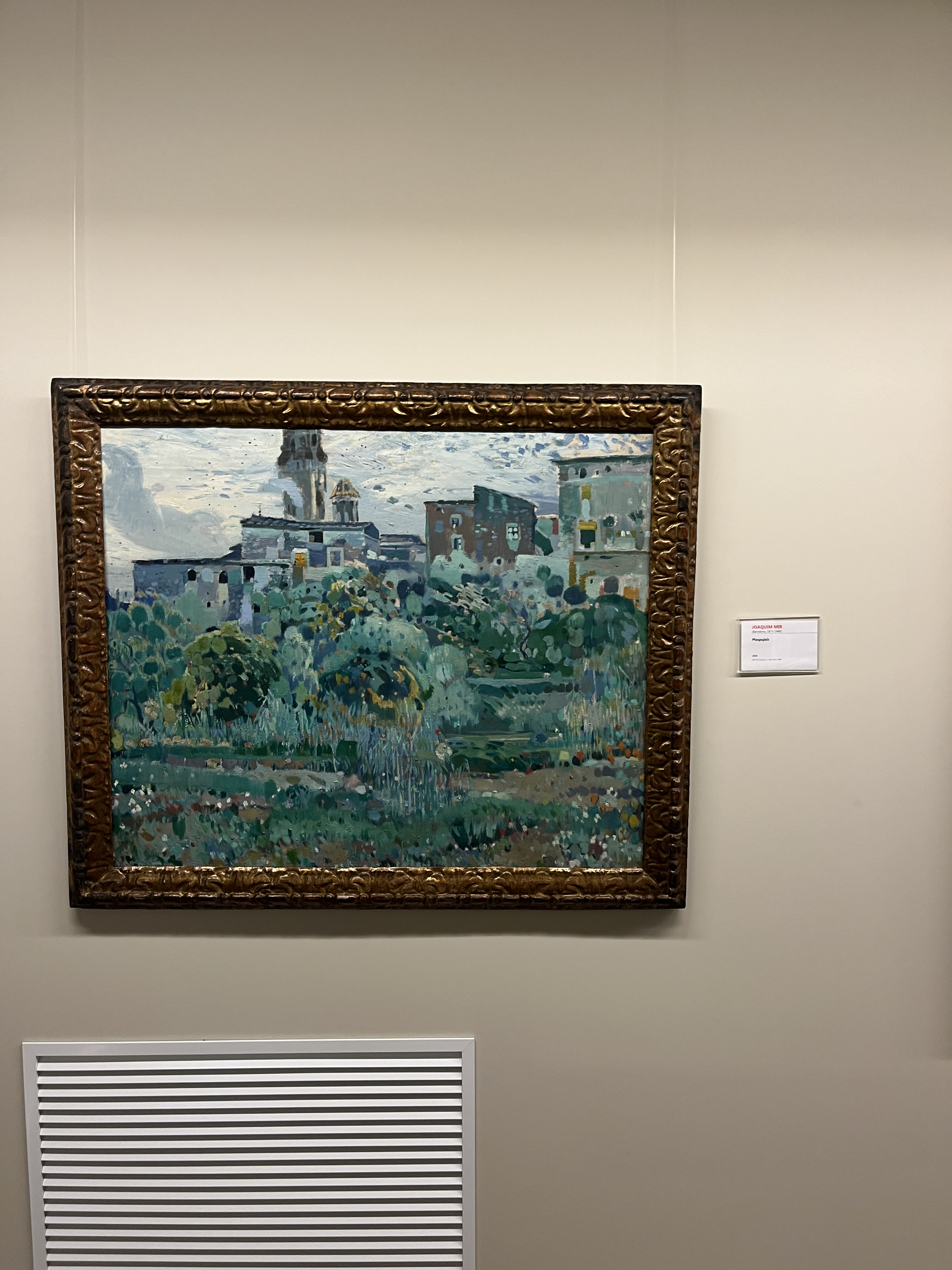
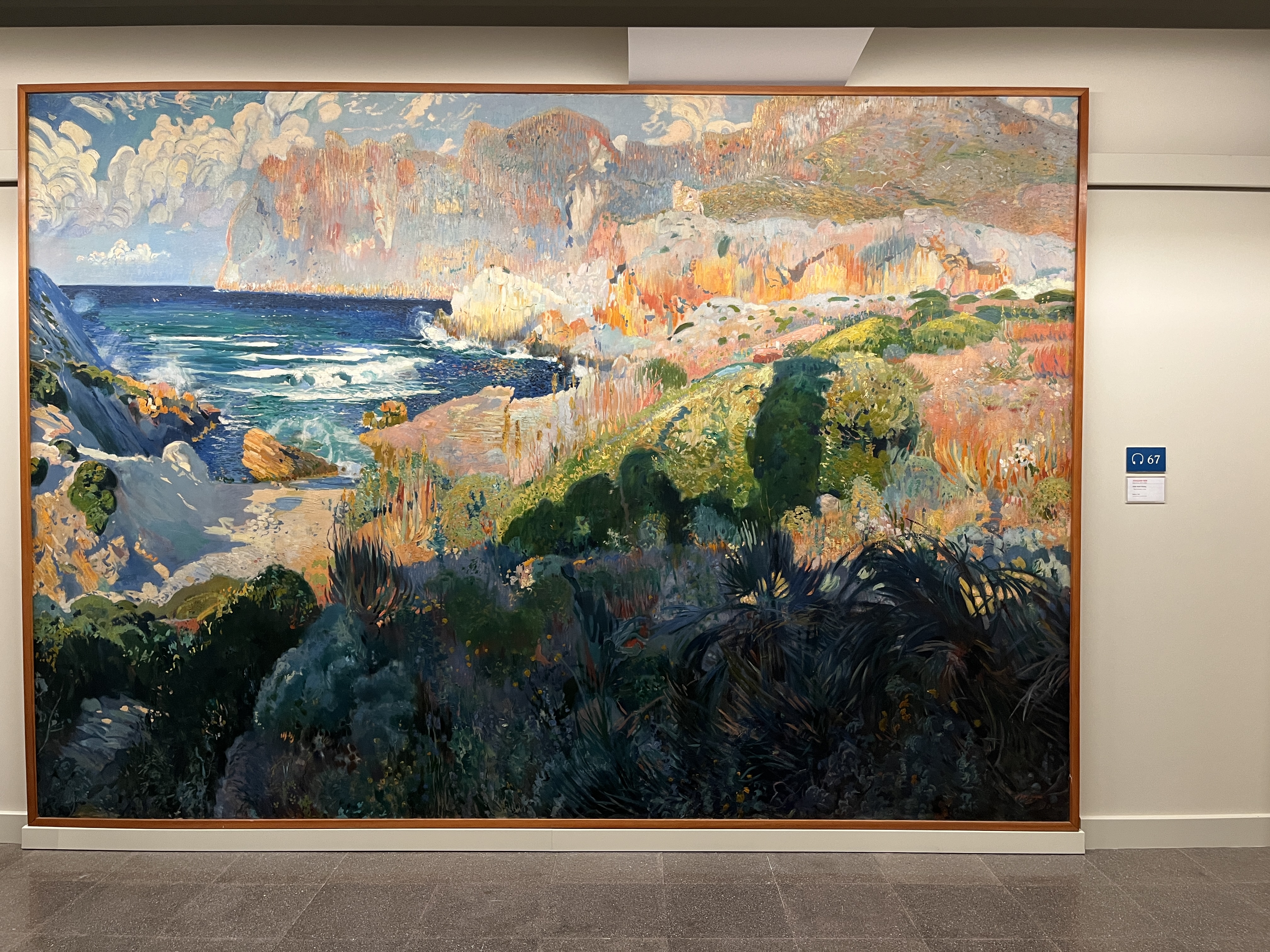
Montserrat was a truly living museum, an active place of worship, and a dynamic center of cultural heritage. It provided profound insight into how religious faith can inspire artistic creation, serving both as a canvas for artistic expression and a sanctuary for spiritual seekers. Thus, visiting Montserrat was not merely a pilgrimage to a secluded monastery but an exploration of the vibrant interconnections between art, culture, and religion, all embodying the spirit of Barcelona.
 Revolutionary Cities